Dental Crowns & Bridges

Restoring Your Smile & Post‑Op Care

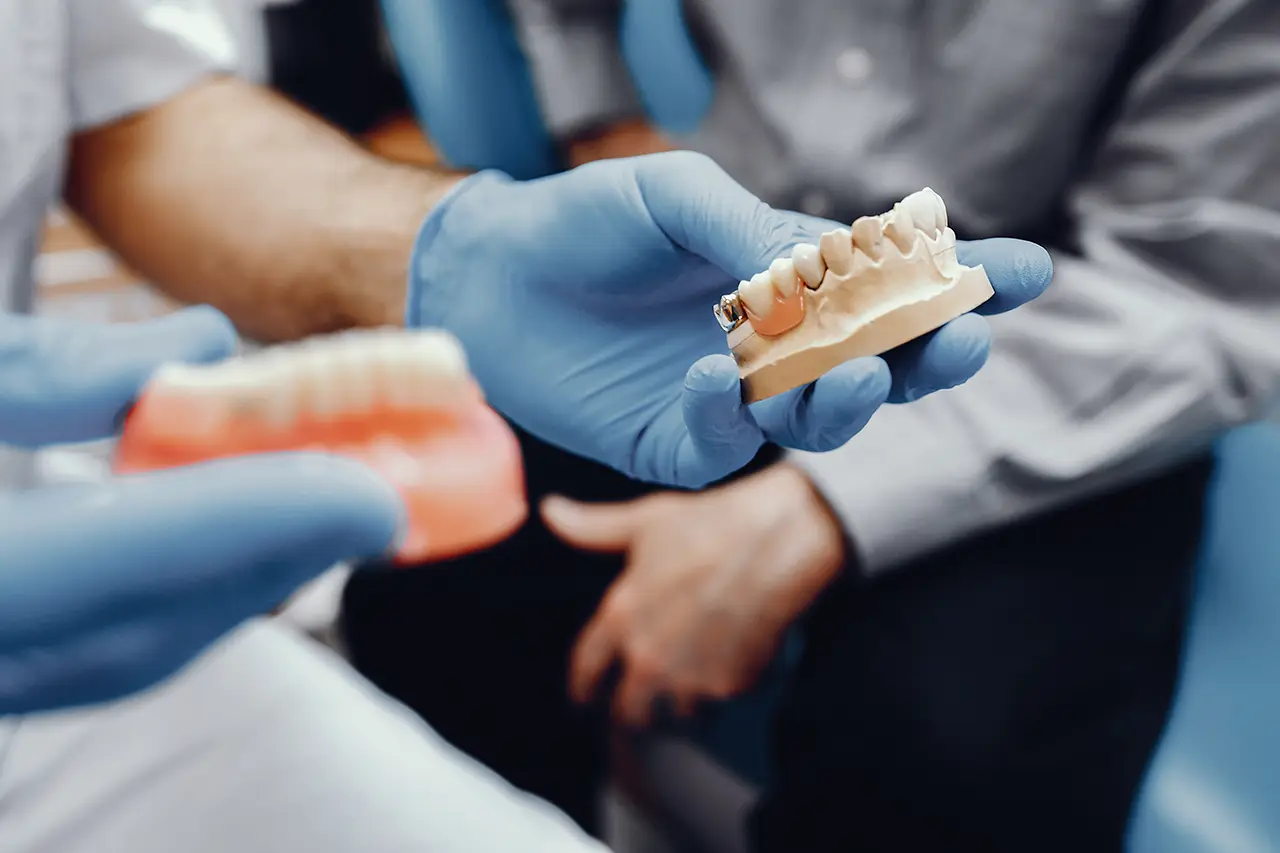
Dental crowns and bridges are restorative treatments used to repair or replace damaged or missing teeth. A crown covers a damaged tooth, restoring its shape, strength and appearance, while a bridge uses neighboring teeth or implants to support one or more replacement teeth. These custom restorations are made from durable materials such as porcelain, ceramic or metal alloys and are designed to blend seamlessly with your natural smile.
What to Expect During Treatment

The process of getting a crown or bridge typically involves two visits. During the first visit your dentist will numb the area, remove decay or old restoration material, and shape the tooth (or teeth) to make space for the restoration. An impression is taken and a temporary crown or bridge is placed to protect the prepared teeth. A dental laboratory then fabricates your permanent restoration. At your second visit the temporary is removed and the final crown or bridge is fitted, adjusted and cemented into place

Aftercare Instructions

  • Protect your temporary: For the first 24 hours avoid sticky, chewy or hard foods (such as gum, caramels, nuts or hard candies) that could dislodge or break your temporary restoration. Chew on the opposite side of your mouth when possible.
  • Be gentle when flossing: When cleaning around a temporary crown or bridge, slide the floss out from the side instead of lifting it out to prevent pulling off the restoration. Once your permanent crown or bridge is placed you can floss normally or use a floss threader or water flosser.
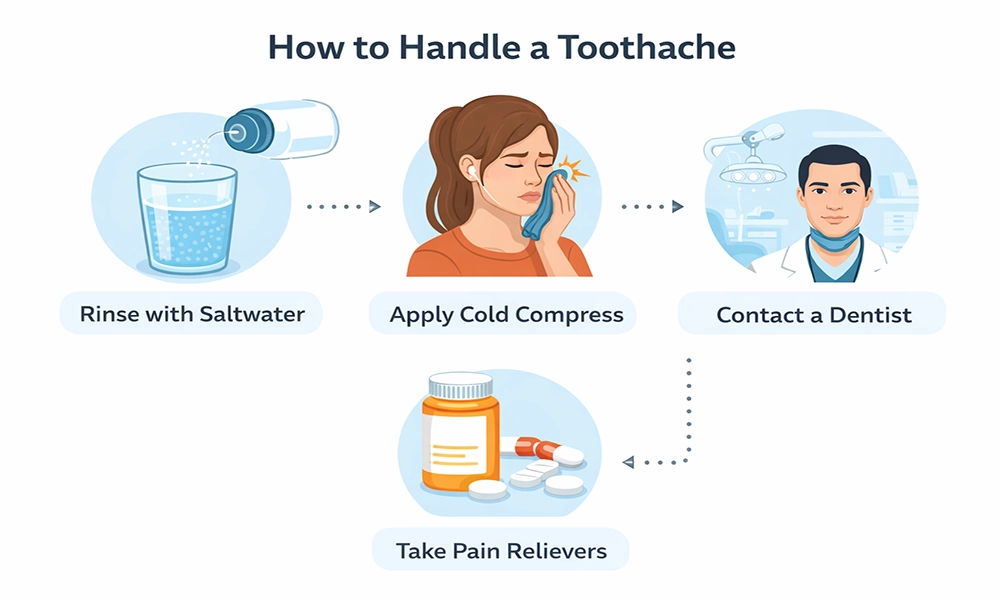
  • Expect some sensitivity: Mild sensitivity to hot or cold foods and beverages is common for several days. This should diminish as your tooth adjusts. Over‑the‑counter pain relievers can help if needed.
  • Maintain excellent oral hygiene: Brush twice daily, especially along the gumline, and floss carefully around your restoration. Keeping the surrounding teeth and gums healthy is essential for the longevity of your crown or bridge.
  • Avoid bad habits: Do not chew ice, bite hard objects or use your teeth as tools. Wearing a night guard can protect your restorations if you clench or grind your teeth at night.
  • Follow up with your dentist: If your bite feels high or uncomfortable after the numbness wears off, or if you experience persistent pain, swelling or looseness, contact our office for an adjustment. Regular check‑ups and professional cleanings will help ensure your crown or bridge lasts for many years.

With proper care and attention, crowns and bridges can restore your smile and function for a long time. Follow these guidelines and don’t hesitate to reach out if you have any questions or concerns.

When to Contact Us
If you experience prolonged sensitivity, bite issues or discomfort after treatment, please contact our office. We’re here to help you enjoy your new smile safely and comfortably.