
Are you nursing a nagging toothache or feeling self-conscious about an unsightly gap or spot on your tooth? It’s easy to put off going to the dentist – many people do. Dental anxiety, busy schedules, or past missed appointments can make it tempting to “wait and see” when a problem arises. However, those mild twinges and small cosmetic issues might be telling you something important about your oral health. Often, what starts as minor discomfort or a tiny blemish can snowball into a major dental concern if ignored.
Everyone deserves a healthy, confident smile. At Southside Dental Cares, we understand your worries and are here to help. Our team combines a gentle, compassionate approach with expert skill to address your concerns and put you at ease. In this article, we’ll explore five key signs that it’s time to visit the dentist. If you notice any of these early warning signs, it may be the moment to get the professional care your smile needs before things get worse.
Why Regular Dental Checkups Matter
Regular dental checkups are about prevention and peace of mind. During a routine visit, your dentist does much more than just polish your teeth. They perform a comprehensive exam to spot problems you might not see or feel yet – catching early signs of cavities, gum disease, or even oral cancer that you wouldn’t detect on your own. Professional cleanings at these appointments remove built-up plaque and tartar that brushing and flossing at home can’t fully address. This helps prevent tooth decay and gum inflammation before it starts.
Most dental experts (including the American Dental Association) recommend a checkup and cleaning about every six months for the average person. Why so often? Because many dental issues begin silently, without pain, and only become noticeable once they’ve advanced. By the time a toothache or obvious damage appears, the underlying problem may be quite serious (and more difficult to treat). Regular visits ensure any issues are caught early and handled with simple, conservative treatments rather than emergency fixes. In short, routine exams and cleanings – the core of preventive dentistry – save you from discomfort, protect your overall health, and often prevent costly procedures down the road.
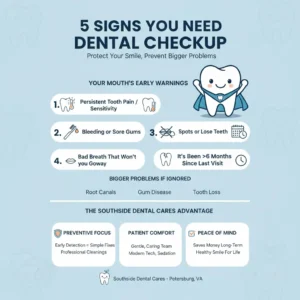
So how do you know it’s time to see the dentist? Below are five telltale signs that you shouldn’t ignore:
1. Persistent Tooth Pain or Sensitivity
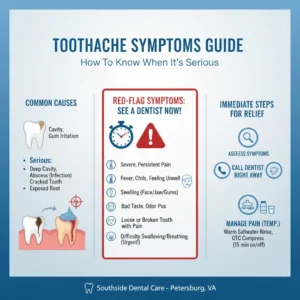
Occasional tooth twinges can happen to anyone, but ongoing tooth pain or sensitivity is a red flag. If you have a toothache that won’t quit or sharp sensitivity every time you sip hot coffee or eat ice cream, something is likely wrong. Common causes of persistent tooth pain include:
- Tooth decay (cavities): A small cavity can grow and irritate the tooth’s nerve.
- Damaged or lost fillings: If a filling cracks or falls out, the unprotected tooth may hurt.
- Exposed tooth roots: Gum recession can expose sensitive root surfaces, causing zings of pain with hot, cold, or sweets.
- Dental infection (abscess): A deep infection in a tooth can cause throbbing, intense pain.
Don’t dismiss constant pain as “no big deal.” Ignoring a toothache allows decay or infection to spread deeper, which might mean a root canal or even an extraction later on. In general, pain that lasts more than a day or two, or sensitivity that’s getting worse instead of better, should be evaluated by a dentist. A cold compress or over-the-counter pain reliever might give temporary relief, but only professional treatment will fix the underlying issue. The sooner you address a painful tooth, the more likely you can resolve it with a simple treatment (like a filling) rather than an invasive one.
2. Bleeding or Sore Gums
Healthy gums shouldn’t bleed when you brush or floss. If you regularly see pink or red in the sink, notice your gums are puffy or tender, or you shy away from flossing because it makes your gums hurt – these are signs of gum inflammation. Bleeding gums are often the first sign of gingivitis, the mild early stage of gum disease. You might also have persistent bad breath or redness along the gumline. The good news is that gingivitis is usually reversible with proper care. But if you ignore it, it can progress to periodontitis, a more severe gum infection that damages the bone supporting your teeth. Periodontitis can eventually lead to loose teeth or even tooth loss in advanced cases.
Gum issues can sneak up on you without much pain, so don’t ignore what your toothbrush is telling you. Regular gum health monitoring at your dental checkups is crucial for catching these problems early. In fact, nearly half of adults over age 30 have some level of periodontal disease – often without realizing it. Your dentist or hygienist can perform a thorough cleaning to remove plaque and tartar buildup beneath the gums, which helps reverse early gingivitis before it becomes serious. They’ll also check for “pockets” around the teeth where bacteria hide. The sooner you address bleeding or swollen gums, the easier it is to get your gum health back on track and prevent long-term damage.
3. Persistent Bad Breath or Bad Taste in the Mouth
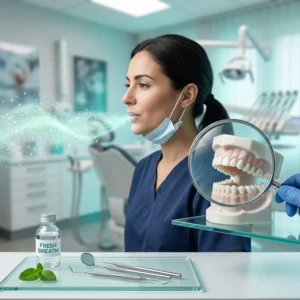
Everyone experiences morning breath or garlic breath after a pungent meal. That usually goes away with brushing or mouthwash. Chronic bad breath (halitosis), however, is different. If you have a foul odor or a constant bad taste in your mouth that won’t fully go away, it could signal an underlying dental issue. Common causes of persistent bad breath include:
- Gum disease: Bacteria in infected gum pockets produce smelly sulfur compounds. (Often, persistent bad breath is one of the early symptoms of gum problems.)
- Untreated cavities or infections: A decaying tooth or an abscess can harbor bacteria and food debris that cause odor.
- Dry mouth: Saliva naturally cleanses the mouth. If you have a chronically dry mouth (from medications or other issues), bacteria can grow more readily and cause bad breath.
- Old dental work issues: An infected dental restoration or trapped food under a crown that doesn’t fit properly can create a bad taste or smell.
If you find yourself chewing mints constantly or people step back when you’re talking, don’t just mask the problem. A dental checkup can identify what’s causing the halitosis. For instance, if gum disease is the culprit, a deep cleaning and improved home care can freshen your breath. If a cavity or leaky filling is to blame, fixing it will remove the source of odor. Mouthwashes and breath mints only provide temporary relief – for chronic bad breath, you’ll need a professional cleaning or treatment to eliminate the bacterial buildup at its source. The bottom line: persistent bad breath is not only a social nuisance, but also your body’s way of saying “something’s wrong.” A dentist will help get to the bottom of it and restore fresh breath (and your confidence).
4. Spots, Cracks, or Other Visible Tooth Changes
Have you noticed a dark spot, hole, or pit on a tooth? What about a cracked or chipped tooth, or a crown that has come loose? Visible changes like these are clear signs that you should see a dentist, even if you’re not in pain. A small cavity might not hurt at first, but if you can see a blemish or brown spot on your enamel, it means decay has already created a hole in the tooth. Often, minor tooth decay won’t cause any pain until it grows larger – by the time you feel a toothache, the cavity may be big and deep. Catching it early means it can be treated with a simple filling before it spreads to the nerve of the tooth.
Similarly, a broken or cracked tooth needs prompt attention. A crack can widen or deepen under pressure (like chewing), and it provides an entry point for bacteria to get inside the tooth. What starts as a hairline crack could lead to a painful infection or a piece of the tooth breaking off if left untreated. Getting a crack or chip repaired (with a bonding, crown, or other solution) will protect the tooth and restore its strength.
In adults, one of the most alarming visible changes is a tooth that feels loose or is shifting out of place. Healthy adult teeth should never be wiggly. If you notice a slight mobility in a tooth or that your bite feels “off” because a tooth moved, it could indicate advanced gum disease or bone loss around that tooth. Sometimes trauma (like an injury) can loosen a tooth as well. In any case, a loose permanent tooth is an urgent sign to see the dentist. Early intervention – whether it’s a deep cleaning, a splint to stabilize the tooth, or periodontal therapy – can mean the difference between saving the tooth or losing it. In short, if something looks or feels different with a tooth, don’t wait for it to get worse. Small cavities, tiny chips, and other minor issues are easiest (and cheapest) to fix when addressed promptly.
5. It’s Been More Than 6 Months Since Your Last Checkup
Perhaps you aren’t noticing any obvious problems right now – no pain, no bleeding, nothing visibly wrong. Even so, if you can’t remember the last time you sat in a dental chair, that itself is a sign you’re due for a checkup. For most people, seeing the dentist twice a year is the gold standard for preventive oral care. Skipping these routine visits means you might be developing cavities or gum issues without any early symptoms. In fact, about one in three adults did not visit a dentist in the past year. You’re certainly not alone if you’ve put off dental appointments – but it’s important to understand the risk. Teeth and gums can deteriorate silently. By the time something hurts or you notice a problem, significant damage may have occurred.
Think of your dental checkup like an oil change for your car: even if everything “seems” fine, regular maintenance prevents breakdowns. During a periodic exam, a dentist can find small issues and address them before they turn into big ones. A tiny cavity can be filled long before it becomes a root canal. Early gum inflammation can be treated before it becomes gum disease. Additionally, routine professional cleanings every 6 months keep your smile looking bright and help prevent stains and tartar buildup. If it’s been over half a year since your last cleaning, go ahead and schedule one – your teeth will both look and feel better afterwards.
Maybe it’s been years since your last dental visit and you feel a bit embarrassed or nervous – don’t be! Our team at Southside Dental Cares welcomes you without judgment. It’s never too late to get back on track with your oral health. The sooner you have a checkup, the sooner we can reassure you that everything is okay or tackle any small issues before they escalate. Remember: when it comes to your teeth, prevention is always easier and cheaper than treatment. So if it’s been a while, consider this your friendly reminder to get that exam on the calendar.
Comparison: Preventive Visits vs. Waiting for a Problem
To really highlight the importance of routine care, here’s a quick comparison of what life looks like with regular dental checkups versus without them:
| If You Get Regular Checkups | If You Delay or Skip Checkups |
| Problems are caught early – often before you even notice them. | Problems only get noticed late, once you’re in pain or have serious damage. |
| Treatments stay small and simple (e.g. a tiny filling or a quick cleaning). | Treatments may become large and involved (e.g. root canals, tooth extractions, or gum surgery). |
| Lower cost: minor issues are cheap to fix, and prevention saves money. | Higher cost: major procedures and emergency visits can be expensive. |
| Minimal discomfort: you avoid severe toothaches and dental emergencies. | Likely pain down the road – you may end up with a bad toothache or infection before you seek care. |
| Healthy smile maintained: teeth stay cleaner and you keep your natural teeth for life. | Risk of tooth loss and complications: untreated decay or gum disease can lead to lost teeth, plus more dental work in the future. |
As you can see, staying on top of regular checkups offers clear advantages. It sets you up for fewer surprises and a healthier smile overall!
How to Proceed When You Notice a Sign (Step-by-Step)
If you’re experiencing any of the signs above or it’s just been a long time since your last dental visit, don’t worry – here’s a simple guide on what to do next:
- Acknowledge the issue: Don’t ignore or downplay your symptoms. Whether it’s pain, bleeding gums, or something just “feels off,” trust your body’s signals. Dental problems won’t usually fix themselves, so deciding to act is the first step.
- Schedule your appointment: Contact your dentist to book a checkup as soon as possible. Call our office or use our online booking system to find a convenient time. Let the clinic know about any specific symptoms (e.g. “I have a toothache in the upper right”) so they can allocate proper time or give advice for the interim. The key is to not put it off – the sooner you get professional insight, the sooner you’ll have peace of mind and relief.
- Prepare for your visit: There’s not much you need to do before a dental exam, but a few small steps can help. Keep up your regular brushing and flossing routine so your mouth is as clean as possible for your appointment. It can be helpful to jot down any questions or concerns you have for the dentist (“Will I need a filling?” “What can I do about my sensitive teeth?”). Bring a list of any medications you take, since your oral health can be affected by certain drugs. If you’re feeling anxious, inform the dental office when you schedule – knowing in advance helps us make your visit more comfortable (for example, scheduling a longer slot or planning for a mild sedative if needed).
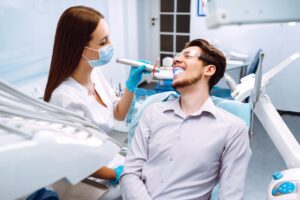
- Relax and attend your dental checkup: On the day of your appointment, try to arrive a little early to complete any necessary paperwork. During the checkup, the dental team will gently examine your mouth – checking your teeth, gums, and overall oral health. X-rays may be taken if you have specific pain or if you’re due for your routine radiographic screening (often done yearly). You’ll also typically receive a thorough professional cleaning to remove plaque/tartar and polish your teeth. If you’ve mentioned any problem (like a certain tooth bothering you), the dentist will focus on that area and explain their findings. Don’t hesitate to communicate during the visit: if something feels uncomfortable, let the team know. We pride ourselves on gentle care, so we can always adjust techniques or give you a short break if you need it. For patients with dental anxiety, we offer options like nitrous oxide (laughing gas) or other sedation methods to help you relax. Our goal is to make the experience as easy and stress-free as possible. After the exam and cleaning, the dentist will discuss any next steps (for example, if you need a follow-up appointment for a filling or a deep cleaning for your gums) and answer all your questions. You’ll leave the office knowing exactly what’s going on in your mouth and with that freshly-cleaned teeth feeling!
(Note: If the idea of a dental visit makes you very nervous, let us reassure you – modern dentistry prioritizes patient comfort. Numbing techniques are extremely effective for treatments, and a simple checkup itself is painless. We’re here to help, not judge, and we’ll work with you at your pace.)
After Your Checkup: Oral Care Checklist
Taking good care of your teeth between dental visits is just as important as showing up to your appointments. After you’ve seen the dentist, keep the momentum going! Here’s a handy aftercare and maintenance checklist to maximize your oral health:
- Stick to your hygiene routine: Continue to brush twice a day with fluoride toothpaste and floss daily. Good home care prevents new cavities and keeps your gums healthy after your professional cleaning.
- Follow any special advice: If your dentist or hygienist gave you specific instructions – such as using a prescription mouthwash, a fluoride gel, or a certain brushing technique – be sure to follow them. These tips are tailored to your needs (for example, extra fluoride to strengthen weak enamel, or a softer toothbrush if your gums were irritated).
- Be gentle if your gums are tender: It’s normal for your gums to feel a little sensitive after a deep cleaning or vigorous flossing if you weren’t flossing regularly before. Rinsing with warm salt water (a teaspoon of salt in a cup of warm water) 1–2 times a day can soothe minor gum soreness. Any discomfort should be mild and resolve within a day or two. If something continues to bother you or suddenly worsens after your appointment, call your dentist – we’re here to help.
- Watch what you eat (right after fluoride): If you received a fluoride treatment during your cleaning (common in preventive care for both kids and adults), avoid eating or drinking anything for 30 minutes afterward. This waiting period allows the fluoride to fully absorb into your tooth enamel and make your teeth more resistant to decay. Also, try not to rinse, smoke, or drink alcohol for a few hours if you had a fluoride varnish applied.
- Schedule any follow-ups promptly: If the dentist found an issue – say, a cavity that needs filling or an area of gum disease that needs a special deep cleaning – don’t delay in getting it taken care of. It’s best to fix small problems before they worsen. Our front desk will help you find an appointment time that works for you. Taking care of treatments in a timely manner will save you discomfort (and possibly additional expense).
- Maintain a healthy lifestyle: Your teeth and gums are part of your overall health. Drink plenty of water, eat a balanced diet low in excessive sugar, and avoid tobacco products. These habits will support the work you and your dentist have done to keep your mouth healthy.
And last but not least, don’t forget to come back for your next routine visit! Before you leave our office, we typically suggest a date for your next six-month checkup. It can help to put that on your calendar or allow us to send you a reminder. Staying regular with exams means you’re far less likely to be caught off guard by any dental issues.
The Southside Dental Cares Advantage
Choosing the right dentist makes all the difference in your oral health journey. At Southside Dental Cares, we’re proud to serve the Petersburg, VA community with a patient-first philosophy. When you come to us for a checkup (or any dental service), you can expect:
- Experienced, Caring Team: Our dentists and staff bring years of expertise to the table, and we genuinely care about your comfort. We listen to your concerns and explain everything in clear terms, so you’ll never feel rushed or confused.
- Modern Technology: From low-radiation digital X-rays to intraoral cameras, we use advanced dental technology to improve accuracy and safety. Cutting-edge tools help in detecting issues early and delivering precise treatment, meaning you get the best care possible.
- Comfort & Compassion: Your anxiety or nervousness will be met with understanding and gentle care. We offer sedation dentistry options for those who need a little extra help relaxing, and our treatment rooms are designed to be welcoming. Many patients tell us that after visiting Southside Dental Cares, they feel far more at ease about dentistry than ever before!
- Convenience for You: We know you’re busy – that’s why we offer flexible scheduling (including family-block appointments so everyone can be seen in one visit). Our office team works with most insurance plans and will help you maximize your benefits. If you have an urgent problem, we strive to provide prompt, same-day care whenever possible.
Southside Dental Cares is more than just our name – caring for our patients is truly at the heart of what we do. We want you to feel like part of our family. From the moment you walk in, you’ll notice our friendly atmosphere and the personal attention we give to each patient. We believe in preventive care and education: we’ll not only fix any issues, but also guide you on how to avoid problems in the future. Our goal is to keep your smile healthy for life, through every stage.
Ready to experience stress-free, top-quality dental care? We’re here to help you smile with confidence.
Conclusion
When it comes to dental health, a little bit of proactive care goes a long way. The signs we’ve discussed – whether it’s a toothache, bleeding gums, or simply too much time since your last visit – are your mouth’s way of saying, “Please pay attention.” Addressing these signals early can save you from pain, expense, and trouble down the road. In fact, staying on top of your oral health with regular checkups is one of the smartest things you can do for yourself. Don’t wait until a small cavity becomes a big problem or a mild gum irritation turns into tooth loss. If you’ve noticed any of these warning signs (or it’s been awhile since you’ve seen a dentist), take action now to protect your smile.
Remember, preventive care is always easier and more affordable than emergency treatments. Your teeth and gums will thank you for being proactive. So go ahead – give us a call or use our online portal to schedule checkup with Southside Dental Cares today. Our skilled, compassionate team will address your concerns and get you back on track to a healthy, happy smile in no time!
Frequently Asked Questions
How often should I get a dental checkup?
For most people, visiting the dentist every six months is the general recommendation. Biannual checkups allow your dentist to catch any issues early and keep your teeth clean and healthy. That said, there are some exceptions. If you have gum disease, a history of frequent cavities, or other risk factors, your dentist might suggest more frequent visits (for example, every 3–4 months) until your condition is stable. On the flip side, a person with exceptionally healthy teeth and gums might do fine with annual visits, but this is less common. The safest bet for the average patient is two visits a year. At your checkup, your dentist will let you know what interval is best for you.
Do dental checkups hurt?
No – a standard dental exam and cleaning should not be painful. You might experience a little discomfort or pressure during the cleaning, especially if you have a lot of tartar or your gums are sensitive, but it shouldn’t outright hurt. Our hygienists use gentle techniques and can apply a numbing gel to your gums if needed to make you more comfortable. The processes of checking your teeth, taking X-rays, and polishing your enamel are typically easy and quick. If you’re very anxious or have had sensitive teeth in the past, let us know; we have comfort options (like sedation or breaks during treatment) to help. Patients are often surprised by how smooth and pleasant a routine checkup can be – many say their mouth simply feels “fresh” and clean afterward, with no soreness. Remember, the goal of preventive visits is to avoid pain by catching issues early, so we strive to make the experience as painless as possible.
I have no symptoms right now – do I really need to see a dentist?
Yes, absolutely. Regular checkups are important even when you feel fine. Many dental problems start off small without any noticeable signs. For example, you won’t feel a tiny cavity forming, and early gum disease might not cause any obvious pain. By the time you do feel pain or see something wrong, the issue may have progressed significantly. Seeing a dentist when you’re symptom-free is how we keep you one step ahead of any potential problems. During a checkup, we might find a small area of decay and fix it on the spot – preventing a future toothache. Or we might notice your gums are a bit inflamed and help you improve your hygiene before gum disease sets in. Think of it like a wellness visit for your mouth. It’s fantastic that you have no symptoms; our job is to keep it that way! By being proactive with exams and cleanings, you’re investing in a healthy smile and avoiding the drama of sudden dental emergencies. In short, don’t wait for pain to force you into the dental chair. Prevention is the best cure, and a routine checkup is key to maintaining that pain-free, confident smile.