
Preventing Cavities from Returning: Comprehensive Strategies
Executive Summary: Cavities (dental caries) recur when contributing factors persist. Prevention relies on a multi-faceted plan: rigorous daily oral hygiene (proper brushing and interdental cleaning), optimal fluoride use, diet control, and regular professional care. Brushing twice daily with fluoride toothpaste and flossing once a day (or using interdental aids) physically remove plaque and debris. Fluoride strengthens enamel and remineralizes early lesions; products range from standard toothpaste (1,000–1,500 ppm F) to prescription-strength formulas (2,800–5,000 ppm) and professional varnishes (2.26% F). Diets low in free sugars (ideally <10% of calories) greatly reduce acid attacks on teeth. Sealants on deep grooves of molars block bacteria and food particles. Identifying and mitigating risk factors — such as past caries, dry mouth, or orthodontic appliances — allows personalized prevention. Patient adherence (through education, reminders, and follow-up) is key. In Petersburg, VA, for example, fluoride in the water supply (≈0.68 mg/L) and local dentists like Southside Dental Cares (serving Petersburg, Virginia) support these strategies. This report details evidence-based practices (with key sources) for preventing cavity recurrence, including specialized tips for children, seniors, patients with dry mouth or braces, and provides a year-long preventive care timeline.
Understanding Cavities and Recurrence
Dental cavities form when oral bacteria metabolize dietary sugars, producing acids that demineralize enamel. If unchecked, decay can penetrate layers of the tooth, necessitating fillings. Recurrent cavities often occur at the edges of restorations or in new sites when preventive measures lapse. High bacterial loads, frequent sugar intake, inadequate fluoride exposure, and poor hygiene are major risk factors. For example, a diet rich in fermentable carbohydrates and infrequent brushing creates more acid attacks, while low fluoride use leaves enamel vulnerable. Additional factors include low socioeconomic status, systemic conditions or medications causing dry mouth, and neglecting existing dental work. Gum disease and plaque build-up around margins also elevate risk. Addressing these root causes is crucial: the goal is not only to treat cavities but to prevent new ones. Regular check-ups and cleanings (as our [Cavity Prevention] page notes) provide exams and fluoride therapy to halt early lesions. Maintaining the local benefit of fluoridated Petersburg water (≈0.7 ppm fluoride) further buffers enamel. Together, these measures break the cavity cycle before decay returns.
Image: Close-up of posterior teeth with deep fissures. These chewing surfaces (molars) are especially prone to decay if not cleaned thoroughly. Daily plaque removal is the first defense. Brushing disrupts bacterial biofilm on outer surfaces, but fluoride exposure during brushing strengthens enamel against acid attacks. Flossing or interdental cleaning removes trapped food and plaque between teeth and below the gumline, areas a brush can’t reach. Skipping flossing often leads to “interproximal caries” at contact points between teeth. Our [Gum Care] page emphasizes that personalized routines – brushing all tooth surfaces and flossing around each tooth – are essential for preventing both gum disease and cavities.
Daily Oral Hygiene Habits
Brushing Effectively
Brush twice a day with a fluoride toothpaste (ADA recommends at least 1,000 ppm F). Use a soft-bristled brush at a 45° angle along the gumline, clean all surfaces (outer, inner, and chewing), and spend at least two minutes total. For children under 3, only a grain-of-rice-sized smear of toothpaste is advised; ages 3–6 use a pea-sized amount. Proper technique (covering one or two teeth at a time, gentle circular strokes) removes biofilm without damaging gums. Electric toothbrushes can also be very effective. Always rinse after meals if possible, but avoid sugary snacks between brushings to minimize acid exposure.
Image: A patient with a removable orthodontic retainer and toothbrush. Brushing thoroughly – including appliances and gums – helps prevent plaque accumulation. Fluoride in toothpaste is critical. It actively remineralizes early enamel lesions and inhibits demineralization. For high-risk individuals (e.g. history of cavities), consider a prescription-strength toothpaste (e.g. 2,800–5,000 ppm) for extra protection. Dentists may recommend a high-fluoride paste especially for patients with dry mouth or exposed root surfaces. For everyday use, brushing for 2 minutes twice daily with ADA-accepted fluoride paste remains the cornerstone of cavity prevention.
Flossing and Interdental Cleaning
The ADA recommends cleaning between the teeth once a day in addition to twice-daily brushing. Flossing effectively removes plaque in tight interdental spaces where decay often starts. To floss correctly: use about 18 inches of floss, wrap it around your fingers, and gently guide it up and down between each tooth. Curve the floss into a “C” shape against the tooth surface and slide it just below the gumline (avoiding snapping or cutting the gum). Use a fresh segment for each tooth. Floss picks or soft picks can help, especially for hard-to-reach back teeth.
Image: Dental professional flossing teeth with orthodontic braces. Special tools like floss threaders or interdental brushes may be needed when braces are in place. Strong evidence (from Cochrane reviews) shows that adding floss to brushing slightly reduces gingivitis and probably cavity risk. Other interdental tools (small interdental brushes, water flossers) can also be used when flossing is difficult. For example, interdental brushes have been found to reduce plaque and gingivitis well, especially in patients with wider spaces or periodontal pockets. Orthodontic patients should use floss threaders or orthodontic floss to reach between brackets, and may benefit from a water flosser to flush debris. Our practice’s [Gum Care] page notes that we “teach personalized routines for brushing, flossing, and gumline care” to ensure thorough cleaning. Regardless of the tool, the key is daily interdental cleaning: it breaks the cycle of plaque buildup and prevents decay between teeth.
Other Hygiene Tips
- Tongue Cleaning: Bacteria also live on the tongue. Brushing or scraping the tongue daily can reduce overall oral bacteria.
- Mouth Rinses: After brushing and flossing, a fluoride mouthrinse (e.g. 0.05% NaF daily) can add protective benefit. Studies show fluoride rinses strengthen enamel and reduce new decay. Rinse at a different time of day than brushing (not immediately after brushing) for best effect.
- Nighttime Care: Saliva flow decreases at night, increasing risk. Before bed, brush, floss, and consider a prescription fluoride gel or rinse to bathe teeth overnight. Some dentists recommend custom trays loaded with fluoride gel for high-risk patients.
Fluoride Products: Types, Strengths, and Use
Fluoride’s anti-cavity effect is well-established. Various products deliver fluoride differently:
| Product | Fluoride Form & % (ppm) | Age/Use | Pros | Cons |
| Toothpaste (OTC) | 0.10–0.15% NaF or MFP (~1,000–1,500 ppm F) | All ages (supervised for <6) | Daily enamel strengthening; easy to use. | Risk of fluoride ingestion in very young children if swallowed. |
| Prescription Toothpaste (e.g. 5,000 ppm) | 0.5% NaF (≈5,000 ppm) | Age ≥6 (with supervision) | Extra protection for high-risk caries cases. | Can cause fluorosis if ingested by young child; usually Rx-only. |
| Mouthrinse (OTC) | 0.02–0.05% NaF (≈100–230 ppm) daily | Age ≥6 (use under adult supervision) | Maintains fluoride rinse after brushing; easy routine. | Must not swallow; less effective than varnish/gel. |
| Mouthrinse (Rx) | 0.09–0.2% NaF (~900–1,000 ppm) | Age ≥6 at elevated risk | Higher fluoride dose for caries risk. | Requires prescription; alcohol-free. |
| Fluoride Gel (pro-applied) | 1.23% APF gel (~12,300 ppm F) | Professional use | Quick in-office enamel fluoride boost; remineralizes lesions. | May etch composites; used by dentist only. |
| Fluoride Varnish | 2.26% NaF (22,600 ppm F) | Professional (0–∞) | Sustained fluoride release on teeth; safe for all ages (approved for babies onward). | Temporary discoloration of teeth (yellow); typically twice-yearly. |
| Silver Diamine Fluoride (SDF) | 38% SDF (44,800 ppm F) | Special cases (e.g. young children, uncooperative patients) | Arrests active lesions without drilling; non-invasive. | Permanently blackens arrested lesions; not preventive for intact teeth. |
- Toothpaste: All ADA-accepted toothpastes for decay prevention contain fluoride. Use morning and night, brushing thoroughly with a pea-size amount (for adults and older children) or appropriate smear sizes in toddlers.
- Mouthrinse: Over-the-counter rinses (0.05% NaF) can be added, especially after lunch if brushing isn’t possible. ADA advises a 0.09% NaF rinse daily for patients over 6 at high caries risk.
- Professional Strength Products: Dentists apply 1.23% APF gel or 5% NaF varnish during cleanings. The ADA specifically recommends 2.26% NaF varnish every 3–6 months for adults (including those with root cavities). These concentrated treatments flood the enamel with fluoride to halt early decay.
Regular, correct use of fluoride products is fundamental. Overexposure can cause fluorosis in young children (which is why toothpaste use is limited by age), but underuse forfeits a major defense against recurrent caries. The ADA and AAPD stress that “toothbrushing with fluoride toothpaste twice daily” and professional fluoride as needed are the most effective caries-prevention measures.
Diet and Sugar Management
Diet is a critical modifiable factor. Frequent or prolonged exposure to dietary sugars greatly increases cavity risk. World Health Organization guidance is clear: keeping “free” sugars below 10% of daily calories (ideally <5%) significantly lowers caries incidence. Sugary drinks (soda, juice, sports drinks) and sticky candies should be minimized. When sweets are consumed, do so with meals (saliva flow is higher and pH recovers faster) and preferably rinse or brush soon after.
Choose water or sugar-free beverages instead of sugary snacks. Consider sugar substitutes like xylitol: chewing sugarless gum with xylitol can stimulate saliva and has shown modest caries reduction in studies. However, evidence is limited, so it’s best used as a supplement, not a sole strategy. Overall, focus on a balanced diet with low added sugar, high fiber, and adequate dairy (for calcium) to support enamel health.
Sealants and Professional Preventive Treatments
Dental sealants are a proven prevention tool for deep grooves in molars. A thin resin coating “seals” pits and fissures, acting as a physical barrier against bacteria and food. Applied soon after eruption (around age 6 for first molars, 12 for second molars), sealants can prevent up to 80% of cavities in the first 2 years, and still 50% after 4 years. The CDC reports that children without sealants are almost three times more likely to develop molar cavities than those with sealants. This makes sealants especially valuable for children and teens. Dental offices and school sealant programs (often supported by public health) help ensure high-risk kids get this inexpensive treatment.
Aside from sealants, periodic professional interventions include:
– Prophylaxis (cleaning): Removing any tartar and checking for new decay every 3–6 months (as needed).
– Fluoride treatments: Topical gels or varnishes in-office strengthen enamel. As noted, the ADA recommends fluoride varnish at least twice a year.
– Silver Diamine Fluoride (SDF): In patients who cannot tolerate drilling (e.g., very young children or seniors with medical issues), 38% SDF can arrest active caries with a quick paint-on application. It does turn lesions black, so it’s mainly used in primary teeth or posterior teeth when aesthetics aren’t a priority. It’s an evidence-based option for high-risk patients where restoration may not be feasible.
– Xylitol or Chlorhexidine: For some patients, adjunctive mouthrinses can help reduce harmful bacteria. For example, an alcohol-free chlorhexidine rinse or xylitol rinse may be used short-term in severe cases (though these are not substitutes for fluoride).
Routine dental visits allow personalized risk assessment. Based on an individual’s caries risk, dentists may adjust recall frequency, recommend specific products (e.g. 5,000 ppm fluoride toothpaste or chlorhexidine gel for high caries risk), or place preventive restorations (like resin infiltration for tiny lesions). As our [Cavity Prevention] page emphasizes, combining daily care with professional guidance is key.
Managing Risk Factors
Each patient has unique risk factors for cavity recurrence. Identifying and addressing these is essential. Major risk factors include:
- Past caries experience: A history of cavities (especially multiple or rapid ones) strongly predicts future decay.
- Dietary habits: Frequent snacking on sugary or starchy foods maintains low oral pH. Behavioral changes (meal planning, reducing snacks) are crucial.
- Inadequate fluoride exposure: Living in a non-fluoridated area or not using fluoride products raises risk. (Petersburg’s water is fluoridated at ~0.7 mg/L, which helps.)
- Oral hygiene problems: Brushing or flossing inadequately allows plaque accumulation. Education and tools (like electric brushes, floss threaders) can mitigate this.
- Xerostomia (Dry mouth): Saliva neutralizes acids and provides minerals. Many medications (antihypertensives, antidepressants, etc.), radiation therapy, or diseases (e.g. Sjögren’s) can reduce saliva flow. Dry mouth patients often see rapid decay even on smooth surfaces. Management includes sugar-free gum, frequent sips of water, saliva substitutes, and prescribed high-fluoride toothpaste or gels.
- Orthodontic appliances: Brackets and wires trap food. Patients need special care: use orthodontic flossing aids or water irrigators, and brush meticulously around appliances. Protective sealants on molars before braces can help.
- Restorations and appliances: Recurrent decay often forms at the margins of fillings, crowns, or around implants/dentures. Ensuring these are well-sealed and checking them regularly is important.
- Socioeconomic and behavioral factors: Lower income or education levels correlate with higher caries due to barriers in access or knowledge. Supportive community programs (e.g. school sealants, local clinics) can help bridge these gaps.
Mitigation strategies hinge on patient-specific counseling. High-risk patients may need more frequent varnish applications or targeted therapies. Caries risk assessment tools (like those from the ADA or AAPD) can stratify risk and guide interventions. For example, an elderly patient on multiple medications with root cavities might receive a custom fluoride tray, whereas a child with visible plaque might receive fluoride foam and dietary counseling. The key is a tailored plan that tackles each risk factor.
Patient Adherence and Education
Prevention works only if patients follow the plan. Studies show that self-monitoring (e.g. flossing logs) and goal-setting can improve compliance. Clinicians can enhance adherence by:
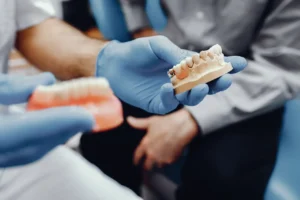
– Clear communication: Use plain language, visuals (diagrams, models), or apps to teach techniques. For example, demonstrating flossing on a dental model or sending follow-up reminders.
– Motivational support: Discussing individual concerns (sensitivity, scheduling conflicts) and setting achievable goals can help. Incentives (like praise or progress tracking) reinforce habits.
– Regular follow-up: Scheduling recall visits reinforces the importance of hygiene. Hearing from the dentist or hygienist that “your progress is on track” encourages continuation.
– Involving families: For children or dependent adults, educating caregivers (parents, aides) is essential. When the whole household adopts healthy habits (e.g. sugar-free snacks, brushing contests), children’s caries rates drop.
– Addressing barriers: If patients have difficulty (e.g. arthritis limiting brushing), suggest adaptive aids (electric brushes with larger handles, floss holders). For busy families, prescribe quick tools like floss picks or sonic toothbrushes that save time.
Consistent reinforcement prevents lapses. In Petersburg, dental clinics may provide handouts or direct patients to trustworthy resources (like Southside Dental’s [Cavity Prevention] and [Gum Care] pages) for ongoing education. The ADA underscores that patient education materials (pamphlets, trusted websites) significantly improve self-care behavior. Ultimately, a well-informed patient is the best ally in stopping cavities from coming back.
Special Populations
- Children (Infants and Teenagers): Early childhood caries (baby bottle decay) is common if infants sleep with bottles of milk/juice. Caregivers should avoid nighttime bottles except water and wipe babies’ gums after feeding. Begin brushing as soon as the first tooth appears, using a soft infant brush. Children often dislike flossing; begin as soon as teeth touch (around age 2–3), using floss holders or thick floss for an easier grip. The AAPD recommends dental visits by age 1 for risk assessment and anticipatory guidance. Sealants are especially valuable for children’s molars, as noted above. Teenagers may need reminders about braces care, retainers, and avoiding sodas.
- Seniors (Adults 65+): With age, root caries become more common due to gum recession and medications causing dry mouth. Older adults should use a fluoride toothpaste (and even high-fluoride options) daily, and may benefit from fluoride rinses. Saliva-stimulating strategies (sugar-free gum, sipping water) are important. Regular dental visits should include root surface checks. Many seniors have fixed dentures or bridges; cleaning these appliances daily prevents hidden decay. Engaging caregivers (in nursing homes, for example) to assist with brushing and fluoride use can cut caries in elders.
- Orthodontic Patients: Braces create new plaque traps. Patients (often teens) need special tools like floss threaders, interdental brushes, or water irrigators to clean under wires. Orthodontists and hygienists should emphasize these techniques at every visit. Some clinicians recommend fluoride varnish at each adjustment appointment. Once braces are removed, a fluoride mouthguard gel for overnight (if enamel demineralization has occurred) can remineralize areas under brackets. Aligners (clear trays) require patients to brush and clean the aligners as well; the image above illustrates a patient holding her aligner and toothbrush.
- Patients with Dry Mouth (Xerostomia): These patients require rigorous preventive care. Besides diet modifications and hydration (as discussed earlier), clinicians often prescribe daily high-fluoride products. For example, a 5,000 ppm fluoride gel or special toothpaste (like Prevident 5000) is commonly recommended. Nighttime is especially critical: patients should brush/floss and use a prescription fluoride rinse or custom tray before bed. Saliva substitutes and sugar-free xylitol lozenges can also help moisten the mouth and inhibit bacteria. Coordination with the patient’s physician or pharmacist to possibly adjust xerogenic medications is also important.
In all these groups, tailored communication is vital. A Southside Dental brochure or local health clinic pamphlet addressing “Caries Prevention for [Kids/Elders]” can help reinforce the message at home.
Local Considerations in Petersburg, VA
Residents of Petersburg benefit from community-wide prevention efforts. Notably, Petersburg’s municipal water is fluoridated around 0.68 mg/L (measured in recent quality reports), near the optimal level (0.7 mg/L). This systemic fluoride reduces cavity incidence across the population. Local clinics like Southside Dental Cares (serving Petersburg, Virginia) provide patient education, screenings, and treatments such as sealants and fluoride varnish. If you live in Petersburg, inquire about: community sealant programs, fluoridated tap water, and dental services covered by insurance or Medicaid (for children, e.g. InsureKidsNow resources). Even if specialized local data are sparse, patients can ask their dentist about Petersburg-specific resources. Ultimately, practicing the same home-care strategies (brushing, flossing, diet) along with routine dentist visits (every 6 months or as advised) ensures you leverage both personal and community protections to prevent cavities from returning.
12-Month Preventive Care Plan
Maintaining cavity prevention requires consistent action throughout the year. The following sample timeline shows typical preventive steps over 12 months:
12-Month Cavity Prevention Roadmap
A comprehensive guide to long-term oral health
Ongoing Daily Habits
Professional Care Schedule
Initial Kickoff:
- Exam & deep cleaning.
- Fluoride varnish application.
- Sealant check or placement.
Mid-Year Checkup:
- Mid-year cleaning & assessment.
- Secondary fluoride application (if needed).
Annual Review:
- Annual cleaning & comprehensive review.
- Final year-end fluoride varnish.
Each task is ongoing or periodic. Daily Habits (brushing, flossing, eating habits) run year-round. Professional Care events mark dentist visits: an initial exam in January (including cleaning, fluoride, and sealants), a mid-year checkup in June, and an end-of-year visit. Between visits, patients maintain diet changes and fluoride rinse/gum routines. This structured plan – combining daily and clinical measures – keeps cavities at bay over time.
Daily Cavity Prevention Checklist
To make things easier, here’s a simple checklist you can follow every day to prevent cavities from recurring. Consider this your at-a-glance guide to a healthy mouth:
- Brush Twice Daily (2 Minutes Each): Use a fluoride toothpaste and gently brush all surfaces – outer, inner, and chewing surfaces of each tooth. (Spit out the paste, but try not to rinse with water afterward at night, so fluoride stays on your teeth longer.)
- Floss Every Day: Clean between all your teeth with floss or interdental cleaners. Be thorough yet gentle – you’re not only preventing cavities between teeth but also supporting your gum health by removing hidden plaque.
- Use Fluoride & Mouthrinse: Rinse nightly with an over-the-counter fluoride mouthwash, or as directed by your dentist. This adds extra cavity-fighting minerals. If you have been given prescription fluoride toothpaste or gel, use it as instructed (usually at bedtime). These fluoride tips can significantly strengthen your enamel over time.
- Watch Your Diet: Limit sugary snacks and drinks. Opt for water (especially fluoridated tap water) over soda or juice. Choose teeth-friendly snacks like cheese, nuts, yogurt, or crunchy veggies. If you do have something sweet, rinse with water or chew sugar-free gum afterward to boost saliva and cleanse your teeth.
- Don’t Forget Your Tongue & Rinse: Bacteria can live on your tongue and contribute to plaque and bad breath. Brush your tongue or use a tongue scraper daily. And if you can, finish your routine with an antibacterial mouthwash – but not right after brushing (to avoid washing away fluoride). Perhaps use mouthwash after lunch or at a different time.
- Protect Your Teeth: If you grind your teeth at night or play sports, use any recommended night guards or mouthguards. Grinding can cause micro-cracks and wear that make teeth more susceptible to decay, and sports injuries can lead to damaged teeth – so prevention here helps indirectly reduce cavity risk too.
- Track Your Progress: Use a calendar or an app to check off your brushing and flossing each day. It sounds silly, but keeping track can reinforce consistency, especially as you build the habit. Your future dental visits will thank you!
- Stay Alert for Symptoms: Pay attention to early warning signs like tooth sensitivity to sweets or cold, rough spots you can feel with your tongue, or any pain. These could indicate a developing issue. Promptly addressing these with your dentist can prevent a minor demineralization from becoming a full cavity.
By following this checklist, you’ll cover all the bases of cavity prevention. Post it on your bathroom mirror or save it on your phone – whatever keeps you motivated. Consistency is key, and you’ve got this!
Frequently Asked Questions
Q: How often should I brush and floss to prevent cavities?
A: Brush at least twice a day with fluoride toothpaste (morning and before bed) and clean between teeth once a day. Brushing removes surface plaque, while flossing reaches spots the brush can’t. Consistent daily hygiene is the foundation of cavity prevention.
Q: Does fluoride really help stop cavities from coming back?
A: Yes. Fluoride strengthens enamel and helps repair early decay. Using fluoridated toothpaste daily and getting periodic fluoride treatments greatly reduces new cavities. The ADA recommends in-office fluoride varnish for high-risk patients every 3–6 months, and the WHO notes that using fluoride toothpaste (1,000–1,500 ppm) is essential for caries prevention.
Q: Are dental sealants safe and effective?
A: Absolutely. Sealants are a thin plastic coating painted onto the chewing surfaces of back teeth. They act as a barrier against decay-causing bacteria. According to the CDC, sealants can prevent up to 80% of cavities in molars for the first two years and continue to protect against 50% of cavities for four years. Children without sealants are nearly three times more likely to have molar cavities than those with sealants. Sealants are safe, painless to apply, and can last many years with proper care.
Q: Can I still get a cavity after a filling?
A: Yes, cavities can occur around existing fillings (called recurrent caries) if plaque accumulates at the edges. To prevent this, it’s crucial to keep up with the hygiene and fluoride strategies mentioned above. Regular check-ups allow early detection of any new decay. As our clinic’s [Cavity Prevention] advice notes, even adults remain at risk for cavities and should continue preventive care. Treat a filling like a newly surfaced tooth: clean around it carefully, and attend follow-up visits.
Q: What fluoride and dental services are available in Petersburg, VA?
A: Petersburg’s water supply is fluoridated (~0.7 mg/L), providing daily cavity protection. Local dentists, such as Southside Dental Cares in Petersburg, offer preventive services: check-ups, cleanings, fluoride varnish, and sealants. For children, school or community sealant programs may exist. If you have Medicaid or CHIP, clinics may assist with cost. Patients should ask their dentist about topical fluoride treatments and tools (toothbrushes, floss picks) they can use at home. In summary, Petersburg residents can take advantage of municipal fluoridated water and nearby dental offices to support the prevention plan outlined above.
Q: How can I stick to these prevention routines?
A: Building habits takes planning. Set specific goals (e.g. floss every night before bed), use calendars or apps to track progress, and involve family members. Ask your dentist or hygienist for clear instructions and demonstrations. Stay motivated by remembering that each cavity prevented means avoiding fillings and pain later on. Regular dental visits (at least twice a year) also help – they reinforce good habits through education and feedback. Open communication with your dental team ensures personalized tips (for example, using a flavored floss or a fun toothbrush for kids). Ultimately, knowing why these steps matter makes it easier to stick with them.
Sources: Authoritative dental resources and research have been cited throughout (ADA, CDC, WHO, Cochrane, etc.), as detailed in the in-text citations. Key references include the ADA guidelines on fluoride use, the WHO sugar-caries fact sheet, and CDC information on dental sealants, along with the Southside Dental Cares pages and local Petersburg water data. Each recommendation above is grounded in this evidence to ensure an effective, up-to-date prevention strategy.