
Dental Safety for Athletes in Petersburg, VA: Prevention and Emergency Care
Executive Summary: Sports and recreational activities carry a significant risk of dental and facial injuries. Studies show that roughly one-third of all dental injuries are sports-related. Wearing a properly fitted mouthguard is strongly recommended by the American Dental Association (ADA) to reduce the risk of tooth fractures, knocked-out teeth, and soft-tissue damage. Key preventive measures include choosing the right mouthguard type (custom, boil-and-bite, or stock), ensuring proper fit and maintenance, and enforcing safety rules in youth sports (helmets, facemasks, safe play). In the event of an injury, quick action is crucial: for a knocked-out (avulsed) tooth, pick it up by the crown, gently rinse it, and attempt to reinsert or store it in milk/saline – then seek emergency dental care within 15–60 minutes. Similarly, for fractured or chipped teeth, rinse the mouth, apply gauze to stop bleeding, protect any sharp edges (e.g. with dental wax), and see a dentist promptly. For soft-tissue cuts (lips, tongue, cheeks), control bleeding with gauze or a clean cloth and cold compress; if bleeding persists beyond 15–20 minutes, seek medical attention. Parents and coaches should encourage children to wear mouthguards in practice and games (in Petersburg’s youth leagues and schools) and to know basic first-aid steps. Local Petersburg resources (e.g. Southside Dental Cares’ [emergency dentistry page] and [pediatric dentistry page]) and 24/7 clinics are available for urgent care.
Below, we detail the prevention strategies, emergency management steps, pediatric considerations, local Petersburg resources, and provide FAQs and schema. Citations highlight authoritative guidance from dental and medical organizations.
Injury Prevention: Mouthguards and Safety Policies
Athletes of all ages risk orofacial trauma during sports. Contact and collision sports (football, basketball, soccer, hockey, martial arts, etc.) have the highest rates of dental injuries. Even non-contact sports can cause accidents (e.g. cycling, skateboarding). The ADA and pediatric dental associations emphasize mouthguards as the first line of defense. “Mouthguard use has been shown to reduce the risk of sport-related dental injuries,” advises the ADA. Likewise, American Academy of Pediatric Dentistry (AAPD) policy notes that properly fitted mouthguards “reduce both the frequency and severity of dental and orofacial trauma”.
Types of mouthguards: The three main types (custom-made, boil-and-bite, stock) vary in fit, cost, and protection (see table below). Custom guards are molded from an exact impression of the athlete’s teeth and offer the best fit and maximum protection, but they are the most expensive and require a dental visit. “Custom mouthguards… provide athletes with an optimal fit with adaptability and efficacy,” notes the ADA, whereas boil-and-bite mouthguards (heat-moldable from pharmacies) give a decent custom-like fit when made properly. Stock (off-the-shelf) mouthguards are ready-made in generic sizes; they are least expensive but least effective due to poor fit and inadequate retention. Table: Mouthguard Types – comparisons of cost, comfort, and protection:
| Mouthguard Type | Typical Cost | Fit & Comfort | Protection Level |
| Custom (Dental-made) | High ($100+ per guard) | Best-fit; precise, comfortable; tailored to bite | Highest – superior cushioning, covers all teeth and absorbs impact |
| Boil-and-Bite | Moderate ($10–$50) | Adaptable fit (softens in hot water); moderate comfort | Good – better than stock if molded properly; covers key teeth |
| Stock (Ready-made) | Low ($5–$20) | Poor fit; bulky; can slip; lowest comfort | Low – minimal protection due to gaps/slippage |
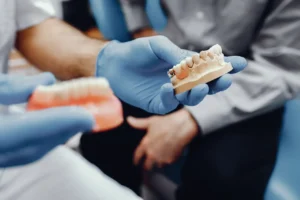
Figure: Examples of custom vs. boil-and-bite mouthguards. Custom guards are made from individual dental impressions for best fit, while boil-and-bite guards are molded at home from a thermoplastic sheet.
A properly fitted mouthguard should be thick enough to cushion impact (at least 2–3 mm of material), cover all upper teeth, and stay in place comfortably. Coaches and parents should ensure mouthguards are not chewed or drilled. Guards should be cleaned after each use and replaced if worn or if the athlete’s teeth change (growing children may need new guards every 6–12 months). The ADA and CDC note that mouthguards primarily protect teeth and jaws; evidence about reducing concussions is mixed, but some research suggests wearers have modestly fewer concussions.
Sports equipment and rules: Beyond mouthguards, safety helmets and face shields significantly reduce facial injuries in many sports. For example, players in ice hockey, football, and field hockey are required to wear helmets and facemasks. The AAPD report states “helmets, facemasks, and mouthguards have been shown to reduce both the frequency and severity of dental and orofacial trauma”. However, mandatory mouthguard rules exist in only a few sports: high school football, hockey, lacrosse, and wrestling (for athletes with braces). Three states (Maine, Massachusetts, New Hampshire) have mandated mouthguards in additional sports like soccer and basketball, but most sports in Virginia rely on coaches and leagues to enforce them. Education campaigns can encourage compliance: as Delta Dental notes, “The ADA recommends mouth guards for any recreational activity that poses a mouth injury risk,” since blows to the face can happen in many activities.
Youth sports safety: For children and teens, supervision and training are crucial. Coaches should teach athletes safe playing techniques (e.g. proper heading in soccer, no horseplay on ice, correct tackling form) and strictly enforce rules against dangerous behaviors. Team policies can require all players to wear mouthguards (even if not officially mandated). In Petersburg’s youth leagues and schools, parents and trainers are advised to discuss dental safety at the season start and pack a mouthguard in each athlete’s gear. Institutions like the Petersburg Recreation Department often share safety guidelines and may partner with dentists to provide mouthguard fittings or emergency planning.
Role of Parents and Coaches: Parents should supervise younger athletes and remind them to use protective gear. Coaches and school personnel (athletic trainers, physical education teachers) should keep spare mouthguards on hand and include dental first-aid in their emergency kits (see below). The AAPD emphasizes that children with protruding front teeth (large overjet) are at higher risk, and early orthodontic consultation can reduce this risk. In all youth sports contexts, emphasize “no candy-coated or super glue fixes” for chipped teeth – always refer to a dentist instead.
Emergency Management: Steps for Common Dental Injuries
When prevention fails, prompt first aid can save teeth and minimize complications. The steps below outline what to do immediately on the field or court, and in the minutes that follow:
Knocked-Out (Avulsed) Tooth
A permanent tooth that is completely knocked out is a true dental emergency. The chance of saving it depends critically on time and handling. Follow these steps as fast as possible:
- Find the tooth. Rinse away dirt or debris by gently holding the crown (chewing surface) under lukewarm water. Do NOT touch or scrub the root. Avoid soap or chemicals.
- Reposition if possible. If the athlete is cooperative, try placing the tooth back into its socket, pushing it gently (crown first) until it clicks into place. Have the person bite down lightly on gauze or cloth to stabilize it. Cleveland Clinic advises that “first step is to put [the tooth] back into its socket” before seeking help.
- If reinsertion isn’t possible, keep it moist. Place the tooth in a container with cold milk or a saline (saltwater) solution. (A balanced salt solution like “Save-A-Tooth®” is ideal.) As a last resort, keep it in the athlete’s mouth between cheek and gums. Never leave it dry or in plain tap water.
- Time is critical: A permanent tooth has the best survival if reimplanted within 15–30 minutes. Even up to an hour may succeed, but the dentist’s window of opportunity diminishes rapidly. If delays occur (e.g. while gathering first-aid supplies), continue to keep the tooth wet and head to care immediately.
- Seek emergency care immediately. Call a dentist or go to the emergency room at once while having the athlete hold the tooth in place. Let the providers know it’s an avulsed permanent tooth. The dentist will attempt to replant and splint it. HealthyChildren.org (AAP) notes: “Permanent teeth have the best chance of being saved when placed back in the socket within 15 minutes… (and) you may still be able to save it within the first hour if you act quickly”.
In summary, for a knocked-out tooth: (1) pick it up by the crown, (2) rinse gently, (3) try to reinsert or store properly, (4) get to a dentist in 30–60 minutes. The Cleveland Clinic underscores: an avulsed tooth is a medical emergency. For a baby tooth that’s knocked out, do NOT reinsert it (it could harm the underlying permanent tooth). Simply control bleeding and have the child see a dentist, but do not attempt replantation of primary teeth.
Broken or Fractured Tooth
Fractures range from minor chips to severe cracks that expose the nerve. First aid:
- Rinse the mouth. Have the athlete rinse thoroughly with warm water to remove debris.
- Save fragments. If tooth pieces broke off, collect and bring them to the dentist (they may be bonded back on).
- Control bleeding. If the injury caused bleeding (gums or lip), apply gentle pressure with sterile gauze or cloth for 10–15 minutes. Replace gauze as needed.
- Cold compress. Use an ice pack on the cheek near the injury to reduce swelling and pain.
- Protect sharp edges. If enamel/chip leaves a sharp edge, cover it with sugarless gum or orthodontic wax to prevent cutting the tongue or lips. Over-the-counter dental wax (from a pharmacy) can be used.
- Avoid chewing on that side. Use soft foods and take acetaminophen/ibuprofen for pain relief if needed (as long as no allergy).
- See a dentist promptly. Even small chips can expose the pulp or lead to infection. The dentist will assess whether a filling, bonding, crown, or root canal is needed. The Cleveland Clinic recommends seeing the dentist as soon as possible if a tooth is cracked or broken. Left untreated, a fracture can worsen.
Soft-Tissue Injuries (Lips, Cheek, Tongue)
Bleeding from the lips, tongue, or inside of the mouth is common in falls and collisions. First aid:
- Rinse with salt water. Mix 1/2 teaspoon of salt in 8 ounces of water. Have the athlete gently swish to clean the wound.
- Apply pressure. Press a clean gauze pad or cloth on the bleeding area for at least 15–20 minutes, or until it stops. A black tea bag can also help (tannins promote clotting).
- Cold compress. Hold ice or a cold pack against the outside of the mouth or cheek for 5–10 minutes to reduce bleeding and swelling.
- Monitor bleeding. If bleeding is profuse or does not stop after 20 minutes of pressure, seek immediate dental or medical care. Deep lacerations may need stitches.
- Pain and swelling. After bleeding is controlled, keep using cold compresses as needed and consider OTC pain relievers. Avoid hot or spicy foods, which irritate cuts.
- Watch for infection. Have the athlete rinse daily with salt water for a few days. If swelling or pain worsens, see a dentist or doctor.
The Cleveland Clinic notes that if severe soft-tissue injuries cause uncontrolled bleeding, you should “apply a moistened gauze or tea bag for pressure… (and) if bleeding doesn’t stop, see your dentist right away or go to an emergency room”. In summary, clean, apply pressure, cold compress, and get professional care for any serious cuts.
First-Aid Kit Checklist
For practices, games, and tournaments, keep a sports first-aid kit stocked with:
- Pairs of disposable gloves (for hygiene)
- Sterile gauze pads and cotton rolls (for bleeding control)
- Small container or bag with milk (for storing an avulsed tooth)
- Balanced salt solution or Save-A-Tooth® kit (if available)
- Sterile cups of water or saline rinse
- OTC pain relievers (ibuprofen or acetaminophen) – note: do not place aspirin on gums
- Instant cold packs or ice packs
- Dental wax or sugarless gum (to cover broken tooth edges)
- Tongue depressor or swabs (to help hold gauze)
- Emergency contact and dentist phone numbers (for Petersburg area).
Time-sensitive steps (especially for a knocked-out tooth) can be visualized in this timeline chart:
EMERGENCY: Knocked-Out Tooth
Immediate Action Guide for Best Results
This timeline emphasizes act immediately. The best outcomes occur when the tooth is replanted by a dentist within the first 15–30 minutes.
Pediatric Considerations and Parental Guidance
Children and teen athletes deserve extra attention. Age factors: Young children have mixed (baby and adult) dentitions; baby teeth knocked out usually do not require replacement. However, injuries to permanent teeth in kids have long-term consequences. Studies show that traumatized permanent incisors can affect a child’s quality of life and cost thousands for treatment. In fact, the AAPD notes that lifetime costs for an avulsed tooth in a teen can reach ~$20,000.
Mouthguards for kids: Always ensure children wear a mouthguard in practices and games. Custom-fitted guards from a pediatric dentist are ideal as they adjust to growing mouths. Pediatric dentists often stock child-sized mouthguards and can advise on replacement schedules. At Southside Dental Cares in Petersburg, the Pediatric Dentistry department emphasizes “Emergency Pediatric Dentistry: for injuries like chipped or knocked-out teeth, we provide fast assessment and treatment to protect the tooth”. Parents should encourage children to keep their mouthguards in as soon as play starts – don’t let kids toss them aside between drills.
Dental development factors: Kids with large overjet or protruding front teeth are at higher risk of trauma. Parents should discuss preventive orthodontics with a pediatric dentist in early years; AAPD suggests early interventions (e.g. braces) can mitigate injury risk. Regular dental check-ups (every 6 months) help monitor growth and address concerns before sports seasons. A “sports physical” visit might also include questions about dental history and equipment checks.
Role of the parent: Teach your child about sports safety in age-appropriate terms. Emphasize that wearing a mouthguard and helmet is part of the game, not optional. Pack a spare mouthguard, and inspect it regularly (teeth erupt quickly in children). Review the first-aid steps so your child knows to seek an adult immediately if an injury happens. The pediatric dentistry team at Southside encourages parents: “If my child has a dental emergency? Call right away—quick action can protect the tooth and reduce complications.”.
Youth sports programs: School coaches and youth league organizers in Petersburg should require helmets and encourage mouthguard use. During team meetings, distribute dental safety handouts (many are available from ADA and AAPD websites). Pediatricians and dentists can collaborate on school events to stress injury prevention (e.g. mouthguard clinics). For children under 12, non-contact play (no heading balls in soccer, no dropping down on ground in football practice) can be emphasized.
Local Resources: Finding Emergency Dental Care in Petersburg, VA
Petersburg residents have several avenues for urgent dental care. Southside Dental Cares itself offers emergency dentistry services locally. In an emergency (trauma, severe pain, infection), call their office at (804) 732-8557; they prioritize “urgent cases… for fast assessment”. Other Petersburg clinics provide emergency slots or on-call coverage. For example, Emergency Dental Squad and some 24/7 services are available in Petersburg (zip 23803), offering evening/weekend care. Many local dentists (e.g. Kelly-Mueller DDS, Slagle Jr. DDS, etc.) list emergency hours.
If you cannot reach a dentist immediately, the Petersburg Fire & Rescue/EMS staff are trained to provide basic management until transport (for severe trauma or if unable to drive). Petersburg’s Health Department may not treat dental emergencies, but they can assist in locating community dental clinics.
How to find care: In any Petersburg emergency, dial 911 if life-threatening (e.g. airway injury). For dental trauma: call your dentist or the nearest urgent care. Clinics such as Dinwiddie Dental (nearby) and Midlothian Dental also accept Petersburg patients. When calling, mention it’s a dental trauma for “athlete injury.” If a knocked-out tooth is involved, have someone meet you with a tooth-storage kit or milk on hand. Southside Dental’s site notes that they handle knocked-out and broken teeth urgently.
After-care and follow-up: Once initial emergency care is given, follow-up is essential. A dentist may stabilize an injury with a splint or temporary restoration, but definitive treatment (root canal, crown, orthodontics) often happens later. Keep all appointments. If you have dental insurance, call the plan’s dentist finder for “Emergency Dentist Petersburg” to locate in-network options. Many Petersburg dentists have emergency call lines.
In the meantime, maintain the emergency supplies list above. Encourage athletes to bring their mouthguard and a list of allergies/meds to any emergency visit.
Recommended Internal Links
To provide readers seamless access to related content on Southside Dental Cares, use internal links with descriptive anchor text. For example:
- “Emergency dental care” – Link this anchor to the site’s Emergency Dentistry page (https://southsidedentalcares.com/emergency-dentistry/). Use it when discussing urgent treatment (e.g. “If a tooth is knocked out, immediate emergency dental care is vital”).
- “Pediatric dentistry” – Link to the Pediatric Dentistry page (https://southsidedentalcares.com/pediatric-dentistry/) when addressing children’s dental needs (“A pediatric dentist can ensure a mouthguard fits properly”).
- “Sports mouthguards” – Could link to a relevant FAQ or blog post if available (e.g. sports dental safety guide).
- “Petersburg dentist” or “Petersburg emergency dentist” – Link this text to the Emergency Dentistry page as well (or the homepage) for local SEO.
- “Emergency Pediatric Dentistry” – When mentioning kids’ injuries, anchor this phrase to the Pediatric Dentistry page, emphasizing they handle sports injuries in kids.
These links should appear naturally in context (e.g., when listing emergency services or explaining child dental care) and use anchor text that clearly describes the destination page.
Comparing Mouthguard Options: Finding the Right Fit
Not all mouthguards are created equal. There are three basic types of mouthguards available, and each offers different levels of fit, comfort, and protection:
| Mouthguard Type | Fit & Comfort | Protection Level | Approx. Cost |
| Stock (Ready-Made) | Pre-formed, one-size-fits-most. Must bite down to hold in place (often bulky). | Basic protection – least effective due to poor fit (can dislodge easily). | Lowest – budget-friendly (often \$5–\$20 for a simple model). |
| Boil-and-Bite | Semi-custom fit: softened in hot water, then molded to your teeth. Better fit than stock, but can be uneven. | Good protection if fitted well. Covers teeth more securely than stock guards. | Low – typically \$20–\$50 at sporting goods stores. |
| Custom Dental Guard | Best fit – made from a mold of your teeth by a dentist, so it fits perfectly. Thin, comfortable, and tailored to you. | Highest protection (maximizes shock absorption and coverage). Also lasts longer with proper care. | Highest – an investment (can range from a couple hundred dollars up to \$500), plus a dental visit for impressions. |
As the table shows, custom-fitted mouthguards provide the top level of comfort and safety – but they do cost more upfront. A custom sports mouthguard made by a dentist typically ranges around \$200–\$500, depending on materials and your location. In contrast, boil-and-bite or stock mouthguards are very affordable (sometimes under \$20) and better than wearing nothing at all. However, cheaper guards may feel bulky, make it harder to breathe or talk, and often don’t stay in place securely. Many athletes find a cheap guard so uncomfortable that they “forget” to wear it – and an unused mouthguard protects nothing! For growing children or athletes in low-contact sports, a boil-and-bite guard can be a reasonable starting point. But for the best fit and maximum protection, a custom guard from your dentist is the gold standard. When it comes to mouthguards, the best one is truly the one you will actually wear every time. Southside Dental Care offers professionally fitted custom mouthguards for athletes of all ages, ensuring you get a guard that’s effective and comfortable.
Safety & Aftercare Tips for Sports Dental Injuries (Checklist)
Even with the best precautions, accidents can happen. It’s important to know how to respond if a dental injury occurs during sports. Below is a quick checklist of safety and aftercare tips – follow these guidelines to minimize damage and improve the chances of saving an injured tooth:
- Always Wear Your Mouthguard: This may seem obvious, but the first rule is prevention. Make it a habit to wear your mouthguard during all practices and games – most injuries happen when athletes skip the guard “just this once.” Keep it in until the action is over. A properly fitted guard won’t impede your breathing or performance. Remember, it only works if it’s in your mouth, not the gym bag!
- Check Your Gear: Before play, ensure your helmet, face shield, or other protective gear fits well and is in good condition. A loose helmet or damaged faceguard can lead to facial injuries even if your teeth are protected. If you’re a parent, regularly inspect your child’s sports gear (including their mouthguard for wear and tear). Replace a mouthguard at the first signs of significant wear, tearing, or if it becomes ill-fitting. Typically, kids may need a new one each season as they grow.
- Stay Alert and Practice Safe Play: Many dental injuries can be avoided by using proper technique and staying aware of your surroundings on the field. Encourage children to follow rules (no leading with the head, no elbowing), and for sports like baseball or softball, consider using protective face masks on helmets. Good sportsmanship – like avoiding high swings of bats or reckless tackles – helps keep everyone’s teeth safe.
- If a Tooth Gets Knocked Out (Avulsed): Act fast and stay calm. Handle the tooth by the crown (top), not the root. If it’s dirty, gently rinse it with water – do not scrub or use soap. If possible, place the tooth back into its socket and have the athlete bite down on clean gauze to hold it in place. If you can’t reposition it, keep the tooth moist – ideally in a container of cold milk. You can also tuck it gently in the injured person’s cheek (if they’re conscious and old enough not to swallow it). Get to a dentist immediately – time is critical for reimplanting a tooth (within ~60 minutes is best). Do not delay until after the game; prompt treatment can often save the tooth.
- For a Chipped or Broken Tooth: Rinse the mouth with warm water to clean the area. If there’s bleeding, have the person bite down on gauze or a clean cloth. Save any broken tooth fragments in milk or saline if you can. Even a small fracture needs dental evaluation, as there could be damage to the tooth’s nerve. Apply a cold compress to the lips or face to reduce swelling. Then see a dentist as soon as possible. Quick treatment can often repair the tooth with bonding or a crown.
- Soft Tissue Injuries (Cut Lips, Tongue, Cheeks): These are common if the athlete wasn’t wearing a mouthguard or got hit in the face. Clean the area gently with water. Use a cold compress to control swelling and bleeding from the outside. If there’s heavy bleeding that doesn’t stop in 10-15 minutes or a deep laceration, seek emergency care. Many times, a dentist or ER can stitch a deep cut on the lip or tongue.
- After any Dental Injury – See the Dentist: Even if a tooth isn’t knocked out, a serious impact to the teeth should be examined by a dental professional. Sometimes an injury isn’t visible (for example, a tooth could be cracked or the root damaged without obvious chips). Our office provides prompt care for dental trauma and will use X-rays to check for any hidden damage. We can stabilize loose teeth with a splint, prescribe medicine to prevent infection, and plan any further treatment to save your smile. Don’t “tough it out” or wait – seeing a dentist promptly can make all the difference in saving an injured tooth.
- Take Pain Seriously: If a tooth is aching or sensitive after a hit, that’s a sign of possible injury. Use over-the-counter pain relievers as needed (avoiding aspirin for children), and have the dentist evaluate it. Pain or sensitivity to cold could indicate a hairline crack or bruising of the tooth’s ligament. It’s better to get it checked than to ignore it and develop worse pain days later.
By following these steps, you’ll be prepared to handle most dental emergencies on the field. Being prepared – with a plan and a properly stocked kit (include gauze, a small container with lid, and saline or access to milk) – can turn a scary injury into a story of a saved tooth. Our team at Southside Dental Care is always just a phone call away to guide you in an emergency and provide the care you need.
Sports Dental Safety: FAQ Guide
For more detailed answers, please consult with your sports dentist or coach.
Sources: We prioritized authoritative dental and medical guidelines and studies. Key references include ADA and AAPD position statements on mouthguards, HealthyChildren/AAP advice on avulsed teeth, Cleveland Clinic dental emergency protocols, and peer-reviewed injury data. Local clinic information was drawn from Southside Dental Cares’ own pages. The prioritized sources below provide detailed support for the recommendations above:
- American Dental Association – Athletic Mouth Protectors (Mouthguards)
- org (AAP) – First Aid for a Knocked-Out Permanent Tooth
- Cleveland Clinic – Dental Emergencies: What Is a Dental Emergency?
- American Academy of Pediatric Dentistry – Policy on Prevention of Sports-Related Orofacial Injuries
- Delta Dental (Kids & Teens) – Sports and Mouthguards
- Southside Dental Cares (Petersburg) – Emergency Dentistry and Pediatric Dentistry pages
- S. CDC MMWR – Oral health and sports-related injuries (2001)
- Others (peer-reviewed studies on sports injuries cited by ADA/AAPD, e.g. in refs).
These sources combine clinical expertise, research, and local context to guide Petersburg athletes and families in preventing and managing dental sports injuries.