
How to Talk to Children About Losing Baby Teeth – A Petersburg, VA Guide
Executive Summary: Losing baby teeth is a normal part of growing up, typically beginning around age 6 and finishing by about 12–13. Children of different ages will understand this change differently, so parents and caregivers should use age-appropriate explanations and positive framing. Early experiences with tooth loss tend to be remembered, and studies show about 80% of kids feel positively (proud or happy) about losing their first tooth. By talking openly, using simple analogies (like teeth having roots that dissolve) and fun traditions (the Tooth Fairy or cultural variants), parents can make losing teeth exciting rather than scary. Practical tips include gentle pain management, reminding kids to wiggle loose teeth only when ready, and maintaining good oral hygiene (brushing, flossing, fluoride). Reinforcing that new bigger teeth need space and health can help children accept this milestone. Throughout, emphasize a friendly tone and the idea that losing teeth is a sign of growing up. Parents in Petersburg, VA are also encouraged to connect with local pediatric dentistry resources (e.g., Southside Dental Cares – Pediatric Dentistry and cavity prevention advice) to support this transition and schedule regular check-ups.
Dental Development: Baby Teeth Timeline
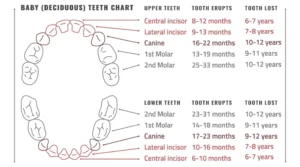
Children are born with all 20 baby (primary) teeth hidden in the gums. These start to erupt (come in) around 6–12 months of age and usually all have appeared by age 3. As kids grow, their jaws get bigger and the permanent (adult) teeth begin to develop under the baby teeth. Special cells gradually resorb (dissolve) the roots of baby teeth. As the roots shorten, baby teeth become loose and eventually fall out.
By about age 6, most children lose their first baby teeth. The lower central incisors (two bottom front teeth) usually go first (around 6–7 years), followed soon after by the upper central incisors. The exact timing can vary by a year or two from child to child – some might start at 4 or 5, others at 7. Over the next several years, children will lose the other baby teeth in a typical sequence: lateral incisors (7–8 years), first molars and canines (9–12 years), and finally second molars (10–12 years). By around 12–13 years, most kids have lost all 20 baby teeth and have 28–32 adult teeth (as wisdom teeth may arrive by age 18–21).
Mermaid Timeline Diagram (suggestion):
Tooth Loss Timeline
A general guide to when children typically lose their baby teeth.
Age 6
Lower front (central) baby teeth
Age 7
Upper front (central) baby teeth
Ages 7–8
Lateral incisors
Ages 9–11
First molars, Canines
Ages 10–12
Second molars (the last baby teeth to fall out)
Age 12+
Milestone: All baby teeth are typically replaced by permanent teeth.
During this process, children’s mouths can look uneven or have “gaps” for a while. Parents should reassure kids that this gap will soon be filled by a bigger, adult tooth. Emphasize growth and change as something positive – becoming a “big kid” or “grown-up” is a milestone. Pediatric dentists note that early visits and education can help children view dental changes positively.
Age-Specific Concerns and Conversations
Children’s understanding and concerns about losing teeth change with age. Using language and explanations that fit their development helps reduce fear and confusion.
- Toddlers (ages 1–3): At this stage, all baby teeth are erupting and none typically fall out yet (except very rarely around age 4). Toddlers may notice adults or older kids missing teeth, but they are usually too young to experience it themselves. They may have general concerns about tooth pain (from teething or early cavities) or about visiting the dentist. Keep explanations very simple. For example: “Big boys and girls have teeth that come out so bigger teeth can grow in!” Focus on fun and comfort with brushing and dental visits to build positive habits.
- Preschoolers (ages 3–5): Many children start noticing loose teeth around the upper end of this range. They may ask questions like “Is my tooth going to come out?” or feel anxious if a tooth wiggles. Explain that it’s normal and good – it means they’re getting bigger and healthy! Use playful analogies (“Your tooth is a little baby that’s getting ready to fly away, so a new big brother tooth can grow in”). Answer questions honestly: “Yes, when it’s really loose, it will come out gently, and then a new tooth will grow.” Reassure them they won’t be alone – “Everyone goes through this.” Introducing the concept of the Tooth Fairy can make it exciting.
- Early School-Age (ages 6–8): This is peak time for losing baby teeth. Children will be actually experiencing it – feeling loose teeth, wiggling them, seeing gaps. Many are excited (looking forward to Tooth Fairy money), but some may feel squeamish about blood or worried about “holes” in their smile. Use concrete, positive language. For example: “Your tooth did a great job, so it’s time for it to fall out, and in its place a new strong tooth will come!” Praise their bravery. The ADA encourages using the Tooth Fairy tradition as a chance to boost oral health habits – give them a “brushing calendar” or toothbrush gift along with the tooth reward. Acknowledge any small pain: biting on gauze is fine to stop bleeding. Ensure them that a little blood is normal and it won’t hurt or last long.
- Preteens (ages 9–12): By now most baby teeth are gone; children may just be waiting for the last ones or already have full permanent smiles. Concerns shift from the novelty to appearance and planning for adult changes (like braces). If a child is still losing a baby tooth at 12, reassure them it’s normal – sometimes teeth take longer to fall out. Encourage them by saying “Very soon you’ll have all big-kid teeth!” They may also worry about looking “different” at school. Normalize the appearance: point out classmates with gaps or braces as common. Discuss upcoming steps like orthodontic check-ups. Emphasize that taking care of these new adult teeth is important for a lifetime of health.
Table: Age Groups and Baby Tooth Loss
| Age Group | Typical Age(s) for Tooth Loss | Child’s Experience/Signs | Parent’s Explanation/Response |
| Toddlers (1–3) | No baby teeth usually fall out yet. | Teething complete; might see older children missing teeth. | Explain that baby teeth stay until big teeth are ready. Use simple terms (“Your teeth stay to help you chew.”). Maintain fun dental routines. |
| Preschool (3–5) | Some start as early as 4–5 (often later). | May notice slight wiggle in front tooth or see missing teeth on others; could feel curious or scared. | Tell them losing teeth is normal and means growing. Use friendly analogies (like a tree shedding leaves) or stories. Highlight the Tooth Fairy as a positive tradition. Answer questions honestly but simply. |
| Early School (6–8) | Commonly lose front incisors and some laterals. | Actual loose teeth wiggling, small bleeding, gap in smile; excitement or fear about pain. | Encourage gentle wiggling when ready, reassure pain is tiny. Praise them as “big kids.” Explain a new tooth will replace the gap. Use Tooth Fairy gifts or charts to make it fun. |
| Preteens (9–12) | Finish losing canines and molars (last baby teeth). | Waiting for final teeth; may have braces or self-image concerns about appearance. | Affirm that everyone’s timing is different. Talk about upcoming permanent tooth health and orthodontics. Emphasize that soon they’ll have all adult teeth, and reinforce strong brushing/flossing habits. |
Explaining Tooth Loss: Language and Stories
Use simple, positive language. Avoid euphemisms or scary terms. Children understand best with concrete explanations: e.g. “Each baby tooth has a root, like a little root holding it in place. As you grow, your body makes that root get smaller and smaller until the tooth can wiggle out.” A helpful analogy: teeth are like trees – they have roots that dissolve, allowing new trees (adult teeth) to grow stronger in their place.
Stories and books can help. For younger kids, read picture books about losing teeth together (e.g. “The Tooth Fairy” or “Bear’s Loose Tooth”). Create a narrative: “One little girl’s tooth was so tired from chewing that it wanted to fall out and get a vacation!” Storytelling makes the concept familiar. You might draw a comic of the Tooth Fairy visiting or keep a “tooth journal” where your child can draw a picture and put the date they lost each tooth – the ADA suggests keepsake books and calendar activities to celebrate this change.
Reinforce that baby teeth have done their job (helping baby eat and smile) and now it’s okay for them to say goodbye. Use words like “grown-up” and “big smile” to frame it as a positive milestone. If a child feels anxious, acknowledge it (“It’s okay to feel a little nervous”) and share your own experience (“When I lost my first tooth, I was excited!”).
Practical Tips for Parents
- Timing: There’s no need to rush a loose tooth. Let it loosen naturally. Advise gentle wiggling only if the child wants to – and only with clean fingers. If a tooth is very loose and the child is uncomfortable, a quick pull with a tissue twist is fine. Otherwise, it usually comes out painlessly on its own.
- Pain Management: Losing a tooth might cause minor bleeding. Tell children it’s normal. Keep clean gauze or a clean washcloth ready to bite on for a minute if needed; it stops the bleeding fast. For any soreness, a little cold compress on the face or child-safe pain reliever (acetaminophen) can help. Most permanent dentists say the process is usually not very painful, especially if it wiggles out gradually (surveys show kids feel less distress the longer the tooth has loosened).
- Oral Hygiene: Emphasize continued brushing twice a day and flossing. As Mayo Clinic advises, losing baby teeth is a perfect teachable moment to reinforce brushing and healthy eating. Floss around the gap carefully. Use a soft-bristled brush until the gum heals fully after the tooth falls out. Once the adult tooth erupts, continue fluoride toothpaste to strengthen enamel. In Petersburg, our pediatric dentists recommend fluoride rinses or sealants when permanent molars come in, as part of a strong cavity prevention plan.
- Diet: Limit sugary snacks and drinks. Encourage water and milk – these help healthy teeth. Since cavities can make baby teeth fall out too early, good diet and regular cleanings are important.
- When to See a Dentist: Keep regular check-ups (every 6 months) with a pediatric dentist. Bring up any concerns: for instance, if a baby tooth doesn’t loosen by the expected age (around 7–8 for front teeth) or a permanent tooth is visibly impacted, your dentist can evaluate. If a tooth is lost due to injury or decay, visit promptly – quick action can save space for the permanent tooth and avoid complications.
- Handle Anxiety: Some kids have dental anxiety or fear even routine check-ups. Talk about the dentist in positive terms. Since our Pediatric Dentistry page emphasizes anxiety-friendly visits and gradual communication, consider taking your child early (by age 1) to build comfort. Let the pediatric dentist explain loose teeth too, using child-sized tools. Reward and praise brave behavior (stickers, extra story time, a healthy treat).
Normalizing the Experience: Books, Games, and Traditions
Engage children in activities around tooth loss:
- Books & Stories: Find age-appropriate books about losing teeth (e.g. “The Tooth Book” by Dr. Seuss, “Just Going to the Dentist”, “Bear’s Loose Tooth”). Reading together lets kids ask questions.
- Games & Crafts: Make a tooth chart or milestone scrapbook. Color in a tooth each time one falls out. Perhaps use modeling clay to press out a “tooth” shape to pop out. The ADA suggests DIY projects: a special dish for the Tooth Fairy, a “Tooth Fairy receipt” certificate, or a brushing calendar.
- Roleplay: Play dentist at home with dolls or stuffed animals with loose tooth scenarios. Let your child “pull” a toy’s tooth to practice. This familiarity can reduce fear.
- Cultural Traditions: Celebrate according to your family’s background. In the English-speaking U.S., the Tooth Fairy tradition is popular – exchange a tooth under the pillow for a coin. Hispanic families might tell stories of “El Ratón Pérez”, the Tooth Mouse. As Delta Dental notes, many cultures have unique rituals: some children throw lost teeth on the roof or bury them for good luck. You can explain any family tradition or choose one you like. The key is making it fun and meaningful. Remember, whichever tradition you use, emphasize the positive reward of new healthy teeth.
- Rewards: Focus on non-food rewards like small toys, stickers, or extra bedtime stories along with (or instead of) money. This keeps the focus on the milestone, not just the payout.
Cultural and Developmental Sensitivity
Children from different backgrounds may have varying beliefs about tooth loss. For example, a Spanish-speaking child might believe in a special mouse instead of a fairy. Ask about your family’s customs. Respect cultural norms (some families bury teeth, some toss on the roof for a lucky new tooth). Explain respectfully: “In our family, we do X, but in other places, kids do Y.” This broadens understanding and avoids confusion.
Also, be mindful of each child’s temperament. Some may need more time to warm up to the idea. According to child psychology experts, use concrete language (“Your tooth is ready to fall out”) rather than vague or scary terms, and respect the child’s pace of understanding. Do not trivialize their worry, but also avoid framing it as a serious “loss” or “injury.” Reassure them this is a normal and healthy change.
FAQ (Frequently Asked Questions)
- Q: At what age do kids usually lose their first baby tooth?
A: Most children start losing baby teeth around age 6, though it can happen a bit earlier or later. The two bottom front teeth are typically first to fall out, followed by the top front teeth. By age 12–13, nearly all 20 baby teeth are usually replaced by permanent teeth. - Q: My child’s tooth is loose – should I pull it?
A: Generally, let a loose tooth fall out on its own. Encourage your child to wiggle it gently when they feel comfortable. If it’s very loose and bothers them, you can pull it out with clean tissue (grasp and twist quickly). Only do this if it’s almost ready; otherwise, it will come out soon. Avoid pulling early to prevent pain or bleeding. - Q: Is it normal for my child to be afraid or to cry when a tooth comes out?
A: Some fear or surprise is normal, especially the first time. Reassure your child it’s okay to feel scared. Use simple honesty: “It might pinch a little, but it will be over quickly and I’ll be right here.” Praise them for being brave. Usually, once they lose the first tooth, they understand and become less fearful with each one. - Q: What should we do with the tooth?
A: That depends on your family tradition! In many U.S. families, the child places the tooth under a pillow for the Tooth Fairy. In others, the tooth might be buried or wrapped for good luck. Whatever you do, use it as a teachable moment for dental care. For example, leave a note from the Tooth Fairy praising good brushing habits. - Q: How can I help my child deal with the pain or bleeding?
A: The discomfort is usually mild. Have the child bite on gauze or a clean washcloth if bleeding; this stops it quickly. A cold drink or rinsing mouth with cool water can soothe the spot. If the loose tooth is a bit sore, give the child plenty of soft foods (yogurt, soups) until it’s out. Over-the-counter children’s pain relievers can be used if your child is uncomfortable, but often a little time is all that’s needed. - Q: When should I call the dentist?
A: Call or visit if a baby tooth has been loose for a very long time without falling out by age 7–8, or if a permanent tooth seems impacted. Also seek advice if your child lost a tooth due to injury. Otherwise, keep up with routine pediatric dental visits (about every 6 months) – the dentist can check that permanent teeth are coming in properly and address any concerns early.
Sample Parent-Child Dialogues by Age
Toddlers (2–3)
“Look, sweetie, your tooth has a little wiggle. That means it’s growing big and will let a new tooth come in soon! We’ll help it come out when it’s ready.”
Preschoolers (4–5)
Child: “My tooth is loose!”
Early School (6–8)
“Wow, you’re doing a great job wiggling that tooth. Do you feel a little pinch? It’s okay – it means your adult tooth is waiting underneath. Once it falls out, you’ll have a new tooth right here!”
Preteens (9–12)
Child: “When will my last tooth fall out? Everyone else already lost theirs.”