If you’re worried that your sweet tooth might be harming your teeth or causing gum problems, you’re not alone. Many patients come to us with cavities, tooth pain, or concerns about the appearance of their smile. Whether it’s the sharp pain of a new cavity or feeling self-conscious about stains and gaps, dental issues can be stressful. The good news is that these problems are often preventable with a few diet tweaks and good habits.
The Dental Diet: Why Nutrition Matters for Healthy Teeth
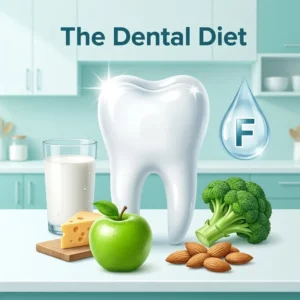
You’ve heard the saying “you are what you eat” – and your smile is no exception. The concept of a dental diet centers on eating foods that strengthen tooth enamel and support gum health. In essence, good teeth nutrition provides the building blocks your teeth need to stay strong. On the flip side, a poor diet (think sugary drinks and junk food) can contribute to tooth decay, gum disease, and other oral health issues.
Sugar and cavities: When you consume sugary or starchy foods, the bacteria in your mouth feed on the sugars and produce acids. This leads to “acid attacks” on your tooth enamel that can last 20 minutes or more after eating. Over time, frequent acid attacks wear down the enamel, causing cavities (tooth decay). That’s why having soda or candy throughout the day is especially harmful – it constantly bathes your teeth in sugar and acid. By cutting down on how often you have sweets, you give your teeth a chance to recover. In fact, simply reducing how often you consume sugary snacks can significantly lower your cavity risk.
Nutrients that strengthen teeth: Fortunately, it’s not all about avoiding treats – a balanced diet can actively protect and repair your teeth. Key minerals like calcium and phosphorus actually help rebuild and remineralize tooth enamel. Calcium-rich foods such as milk, cheese, yogurt, leafy green vegetables, and almonds fortify your teeth’s structure. Phosphorus (found in meat, poultry, fish, eggs, and nuts) works hand-in-hand with calcium to strengthen your bones and teeth. In other words, a diet high in these minerals makes your teeth more resistant to decay and erosion.
Fruits and veggies – nature’s toothbrushes: Crunchy fruits and vegetables are like natural toothbrushes for your teeth. Foods like apples, carrots, and celery are high in fiber and water, which helps scrub your teeth and stimulate saliva production. Saliva is one of your mouth’s best defenses – it neutralizes harmful acids and washes away food particles. By snacking on fresh fruits or raw veggies (instead of cookies or chips), you actually help clean your teeth while you eat! And as a bonus, many fruits and veggies contain vitamins that support oral health. For example, vitamin A (in carrots, sweet potatoes, leafy greens) aids in building strong tooth enamel, while vitamin C (in oranges, berries, bell peppers) is crucial for healthy gums.
Gum health nutrition: Your diet affects your gum health too – in some ways as much as brushing and flossing. In fact, a diet rich in vitamins, minerals, and fresh produce can help prevent gum disease. This kind of gum health nutrition means getting enough vitamin C and antioxidants to keep your gum tissue strong. Vitamin C, for instance, helps your gums heal and resist infection. If you’ve noticed your gums bleed when you brush, adding more fruits like oranges, berries, or even leafy greens can provide the vitamin C needed to strengthen your gums (of course, let us know so we can check your gum health too). By focusing on nutrition for both your teeth and gums, you’re taking a truly holistic approach to oral health.
The role of water and saliva: Don’t forget about what you drink. Plain water is the clear winner when it comes to oral health. Drinking water (especially fluoridated tap water) throughout the day helps rinse away sugars and food debris, keeping your mouth clean and preventing dry mouth. Fluoride in water is a natural cavity fighter that rebuilds enamel and has been shown to reduce cavities by about 25% in the population. Additionally, staying hydrated ensures you produce enough saliva. Saliva not only neutralizes acids but also contains minerals like calcium and phosphate, which can repair early tooth damage. So, one of the easiest things you can do for a healthier smile is to swap sugary beverages for water. If you do crave a fizzy drink, try a carbonated water without added sugar, and drink it with meals to lessen the impact on your teeth.
Bottom line: Why does nutrition matter? Because a healthy diet protects your smile from the inside out. By avoiding the foods that harm your teeth and enjoying more of the foods that strengthen them, you can significantly reduce your risk of cavities and gum problems. Think of your diet as part of your preventive dental care – it works hand in hand with brushing, flossing, and regular check-ups to keep your mouth in top shape.
Comparing Food Choices: Best vs. Worst Foods for Your Teeth
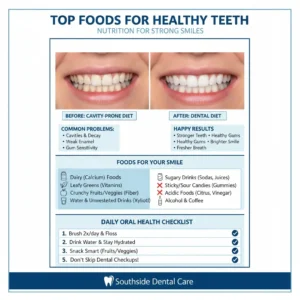
Not all foods affect your teeth the same way. Some strengthen and clean your teeth as you eat, while others promote decay. Here’s a quick comparison of tooth-friendly choices versus foods you should limit or avoid:
| Tooth-Friendly Foods | Foods to Limit or Avoid |
| Dairy products (milk, cheese, yogurt) – Rich in calcium and protein that strengthen tooth enamel and bones. Dairy also helps neutralize acids in your mouth. | Sugary snacks & candies (cookies, cake, gummies) – Sugar feeds oral bacteria, leading to acid production that causes cavities. Sticky candies are especially harmful since they cling to teeth. |
| Leafy greens & almonds (spinach, kale, lettuce; almonds) – High in calcium and minerals, plus fiber that cleans teeth. These foods provide nutrients for strong enamel and healthy gums. | Acidic foods (citrus fruits, vinegar, pickles) – Frequent exposure to strong acids can erode enamel over time. Citrus is healthy, but consume it as part of a meal, not constantly by itself. |
| Crunchy fruits & veggies (apples, carrots, celery) – High-fiber, water-rich foods that stimulate saliva and gently scrub tooth surfaces as you chew. They also give your gums a good massage! | Sodas & sports drinks – Packed with sugar and often acidic (pH as low as ~2.5), soft drinks are a major culprit in enamel erosion and cavities. Even diet sodas are acidic. It’s best to skip or save for rare occasions. |
| Water & sugar-free drinks (especially fluoridated water) – Water rinses away food particles and keeps you hydrated. Sugar-free drinks (like unsweetened tea or milk) don’t feed bacteria. Fluoridated water also remineralizes enamel. | Alcohol (excessive) – Many alcoholic drinks are acidic or sugary (think mixed cocktails). Plus, alcohol dries out your mouth, reducing saliva and making teeth more cavity-prone. Limit alcoholic beverages and drink water alongside them. |
| Sugar-free gum (with xylitol) – Chewing sugar-free gum after meals boosts saliva flow, which helps wash away food debris and neutralize plaque acids. The ADA notes chewing sugar-free gum can help prevent decay. Xylitol (a natural sweetener) even fights bacteria. | Sticky or hard foods – Hard candies, lollipops, and sticky toffees stay in your mouth longer and coat your teeth with sugar. Dried fruits (raisins, dried apricots) seem healthy but are concentrated sugar and stickiness combined. If you do enjoy these, rinse with water afterward and brush when you can. |
Tip: You don’t have to give up all “bad” foods forever – just enjoy them in moderation and be mindful of oral hygiene after. For example, if you drink a soda or juice, have it with a meal (and maybe use a straw) rather than sipping all day. And if you satisfy your sweet tooth occasionally, brush your teeth or chew sugar-free gum afterward to minimize the damage.
Is a Dental Diet Right for You?
Absolutely – a tooth-friendly diet benefits everyone! Eating for oral health isn’t just for people with cavities; it’s a smart approach for all ages. That said, a focus on nutrition is especially important if you have certain dental risk factors or concerns:
- Frequent cavities or weak enamel: If you’ve had lots of fillings or been told you have “soft” enamel, improving your diet can provide extra protection. Limiting sugar and getting enough calcium and fluoride can help stop the cycle of decay.
- Gum disease or bleeding gums: Sore, bleeding gums are often a sign of gingivitis or periodontal disease. Along with good oral hygiene, a vitamin-rich diet (especially vitamin C and antioxidants) supports your gum healing. Nutrients from a dental diet can strengthen your immune response to gum bacteria.
- Dry mouth: If you experience dry mouth (perhaps from medications or health conditions), you’re at higher risk for cavities because you have less saliva. Focusing on hydration and saliva-boosting foods (water, sugar-free gum, crunchy fruits) is crucial. A tailored diet can compensate by keeping your mouth moist and more protected against acid.
- Children and teens: Younger smiles are developing and can greatly benefit from proper nutrition. Ensuring kids have a balanced dental diet (with plenty of calcium, vitamin D, etc.) can lead to stronger adult teeth and good habits that last a lifetime. It can also help prevent early cavities.
- Overall health-conscious individuals: If you’re someone who values wellness, it’s good to know oral health is part of that puzzle. A diet that’s good for your teeth is usually good for your whole body – it tends to be low in sugar and high in nutrients, just like general healthy diets recommended by doctors.
In short, a dental diet is right for anyone who wants to keep their natural teeth healthy for life. It’s never too late to start, either. Even if you already have some dental work done (fillings, crowns, etc.), improving your nutrition can protect the rest of your teeth and help your dental treatments last longer. Just remember, diet isn’t a replacement for brushing, flossing, or professional care – it’s one important part of a complete oral care routine.
If you’re unsure where to start, don’t worry. Our team at Southside Dental Care is happy to guide you. We can assess your current oral health and diet during a dental exam and give personalized recommendations. Often, a few simple changes in your daily eating habits can make a huge difference in your smile.
Step-by-Step: How to Eat for a Healthy Smile
Ready to boost your oral health through better food choices? Here’s a simple step-by-step plan to incorporate tooth-friendly habits into your daily life:
- Cut Down on Sugary and Acidic Treats. Start by identifying the biggest sugar sources in your diet – maybe it’s sodas, candies, or that sweet coffee creamer. Aim to reduce the frequency of these treats. For example, if you usually drink soda multiple times a day, try cutting back to one small soda with lunch, then eventually swap it for sparkling water or unsweetened tea. Limiting how often sugar hits your teeth is key to preventing decay. Likewise, be mindful of acidic foods (like citrus fruits or vinegar). They’re okay in moderation (and healthy otherwise), but avoid constant exposure. A good rule: enjoy sweets and acidic items with meals instead of alone, and rinse your mouth with water afterward.
- Add Enamel-Friendly Foods to Every Meal. Make a conscious effort to include calcium or phosphorus-rich foods in your diet daily. For instance, have a cup of milk or fortified almond milk with breakfast, include cheese or yogurt as a snack, or add leafy greens (spinach, kale) to your lunch and dinner. These foods provide minerals that remineralize your teeth, almost like repairing tiny weak spots before they turn into cavities. If you’re vegetarian or lactose intolerant, try alternatives like calcium-set tofu, broccoli, almonds, or fortified cereals. Also, incorporate lean proteins (fish, chicken, eggs, legumes) to get phosphorus and help your body utilize calcium. Each meal is an opportunity to strengthen your teeth from within.
- Snack Smart with Crunchy Fruits and Veggies (or Sugar-Free Gum). Instead of reaching for cookies or chips between meals, keep some fresh fruits and veggies handy. An apple, a carrot, or a handful of celery sticks can satisfy crunch cravings while cleaning your teeth and stimulating saliva. The natural fibers in these foods scrub away plaque and food bits. Not a fan of raw veggies? Even a piece of cheese or a few almonds are better snacks for your teeth than something sugary. If you really want something sweet, opt for a piece of fruit (which has natural sugars but also vitamins and fiber). You can also chew a sugar-free gum after snacking or when you can’t brush – it’s a great trick to freshen your mouth, boost saliva, and trap food particles until you can brush properly.
- Drink Plenty of Water Throughout the Day. Make water your go-to beverage. Carry a water bottle with you and sip regularly, especially after eating. This helps wash away any sugars or acids left from your food and prevents dry mouth. If you have access to fluoridated tap water, even better – you’ll get a low-dose of fluoride to continually protect your teeth. Try to limit soda, energy drinks, and even fruit juices as everyday drinks. Think of sugary or acidic drinks as an occasional treat rather than a thirst-quencher. And if you do indulge, follow it with water. Staying hydrated also keeps your saliva flow optimal. (Bonus tip: if you struggle with nighttime dry mouth, keep a glass of water by your bed and consider a humidifier – a moist mouth is less prone to cavities.)
- Maintain Your Oral Hygiene and Routine Dental Visits. A healthy diet greatly reduces your risk of dental problems, but you still need to brush and floss to remove plaque that food alone can’t dislodge. Brush twice a day with fluoride toothpaste and floss at least once a day. Good technique matters, so ask us if you’d like a refresher on brushing properly. And don’t skip your regular check-ups – we need to examine and clean your teeth every six months (or as recommended) to catch any early issues. Think of your dental exam and cleaning as an essential complement to your nutrition efforts. During these visits, we can also provide preventive treatments like fluoride varnish or sealants if needed (especially for kids or cavity-prone teeth). By combining diligent home care, smart food choices, and professional care, you’re covering all the bases for a healthy smile.
Stick to these steps, and soon they’ll just be part of your normal routine. Remember, every small change – swapping a cookie for a carrot, or a soda for water – adds up to significantly better oral health over time. Your teeth and gums will thank you!
Safety & Aftercare: Daily Oral Health Checklist
Taking care of your teeth is a daily commitment that goes beyond just diet. Here’s a handy checklist to ensure you’re protecting your smile every day. Use this as a morning and evening reminder, and especially follow these tips after having sugary or acidic foods:
- Brush at least twice a day (and floss once). Use a fluoride toothpaste and gentle circular motions to clean all tooth surfaces. Brushing before bed is crucial, since saliva flow drops at night. Don’t forget to floss to clean between teeth where food can hide.
- Wait to brush after acidic foods/drinks. If you’ve had something very acidic (citrus fruit, soda, vinegar dressing), rinse with water and wait about 30 minutes before brushing. Acid softens enamel, and brushing too soon can wear it away. Giving it time allows your saliva to neutralize acid and reharden your enamel.
- Choose tooth-friendly snacks. Opt for fresh fruits, vegetables, nuts, or cheese for snacks. These low-sugar, high-nutrient foods satisfy hunger without fueling harmful bacteria. Keep sugary treats to mealtimes and avoid grazing on sweets throughout the day.
- Drink water throughout the day. Keep a water bottle at hand and sip after meals or snacks. Water cleanses your mouth and keeps you hydrated. If your local water is fluoridated, you’re also strengthening your teeth with each sip. As a rule, replace sugary drinks with water or unsweetened alternatives whenever possible.
- Get your calcium and vitamins. Aim for about 1,000 mg of calcium per day (adults) from dairy, fortified plant milks, or leafy greens. Incorporate vitamin-rich foods: Vitamin D (from dairy or sunshine) helps calcium absorption, vitamin C (citrus, berries) supports gums, and vitamin A (carrots, sweet potatoes) aids enamel health. A balanced diet is one of the best preventive medicines for your teeth.
- Avoid bad habits that hurt teeth. Don’t chew on ice, popcorn kernels, or hard candies – this can crack your enamel or existing fillings. If you chew gum, make sure it’s sugar-free. And if you’re a grinder (bruxism), consider a nightguard – grinding can undo the benefits of a good diet by wearing down teeth.
- Keep up with professional preventive care. Even if your diet is perfect, see your dentist regularly for exams and cleanings. Professional cleanings remove tartar that brushing can’t, and check-ups catch problems early when they’re easiest to fix. Staying on track with dental appointments is part of a complete oral care aftercare plan and will reinforce all the good you’re doing with your diet and home care.
By following this checklist, you’ll cover the safety basics for your teeth and gums every day. Consistency is key – the more these habits become second nature, the more you’ll protect that bright smile you’ve worked so hard on!
The Southside Dental Care Advantage
When it comes to maintaining a healthy smile, having the right dental team by your side makes all the difference. Here’s why patients trust Southside Dental Care for top-quality oral health support:
- Comprehensive Preventive Care: We believe in stopping problems before they start. Our focus on preventive care means we not only fix cavities, but also coach you on diet and oral hygiene, provide regular cleanings, and offer protective treatments like fluoride applications and sealants. By partnering with us, you get a holistic approach that keeps your teeth and gums healthy long-term.
- Advanced Technology: Our clinic is equipped with modern dental technology to ensure accurate diagnoses and comfortable treatments. From low-radiation digital X-rays that spot issues early, to intraoral cameras that let you see what we see, we use advanced tools to enhance your care. This technology helps us be proactive – for example, catching early signs of decay or gum disease so we can address them with minimal intervention.
- Experienced, Caring Team: At Southside, you’re in the hands of experienced dental professionals who truly care about your well-being. Our dentists have years of expertise and stay up-to-date with the latest in dental research and techniques. Just as important, every staff member – from our hygienists to our front desk – takes the time to listen to your concerns. We understand that dental visits can be intimidating, so we explain procedures, answer all your questions, and ensure you feel heard and supported. Our goal is to build trusting relationships with our patients.
- Patient Comfort & Convenience: Your comfort is one of our top priorities. We’ve designed our office to be welcoming and soothing for patients of all ages. For those with dental anxiety, we offer gentle care techniques and can discuss sedation options if appropriate. We also value your time with efficient scheduling and little-to-no wait times. From the moment you walk in, you’ll notice the Southside Dental Care difference – a friendly atmosphere where your smile and your experience come first.
By choosing Southside Dental Care, you’re not just getting a one-time treatment – you’re gaining a dental home. We’ll work with you on every aspect of your oral health, from nutritional guidance to state-of-the-art dental work, to keep you smiling with confidence. Our commitment is to educate, prevent, and provide exceptional care every step of the way.
Conclusion
A healthier smile can truly start on your plate. By now, we hope you feel empowered to make smarter food choices that benefit your teeth and gums. Remember, caring for your oral health is a combination of eating right, daily hygiene, and regular dental visits. Load up on those calcium-rich and crunchy foods, cut back on the sugar, and keep water as your trusty sidekick. These simple diet changes, together with good brushing and flossing habits, will strengthen your enamel, reduce your risk of cavities, and even improve your gum health. The result? Fewer toothaches, fresher breath, and a smile that looks as great as it feels.
At Southside Dental Care, we’re excited to partner with you on this journey to excellent oral health. If you have any questions about your diet’s impact on your teeth, or if it’s time for your next check-up, we’re here to help. Feel free to reach out to us for personalized advice or to schedule a visit – our friendly team is always ready to support your healthiest smile. Here’s to strong teeth, healthy gums, and the confidence that comes with knowing you’re doing the best for your smile every day!
FAQ
Q1: Can my diet really affect my dental health that much?
A: Yes – dietary choices play a huge role in oral health. Sugar and refined carbs fuel the bacteria that cause cavities, so a high-sugar diet will significantly increase your risk of tooth decay. On the other hand, a balanced diet with plenty of calcium, vitamins, and fiber-rich foods helps strengthen your teeth and gums. Think of it this way: every time you eat, you’re either helping your teeth or potentially harming them. By choosing smile-friendly foods most of the time, you can greatly reduce problems like cavities and gum disease. Of course, you still need to brush and floss, but diet is the often overlooked “secret weapon” for healthy teeth.
Q2: What foods should I avoid to keep my teeth healthy?
A: The biggest culprits are sugary and acidic items. Try to avoid or strictly limit candies, cookies, sugary cereals, and sweet drinks like soda or sports drinks – these constantly bathe your teeth in sugar and acid, leading to decay. Sticky sweets (caramels, taffy, gummy candy) are particularly bad because they cling to teeth. Highly acidic foods and drinks, such as citrus fruits or juices, vinegar, and sodas, can erode enamel if consumed frequently. It’s not that you can never have these things, but moderation is key. When you do enjoy them, have them with a meal (not by themselves), rinse with water afterward, and maintain good brushing habits. Also, beware of frequent snacking or sipping – it’s better for your teeth to have defined mealtimes than to nibble all day long.
Q3: Which nutrients are most important for strong teeth and gums?
A: Calcium and phosphorus are top of the list for strong teeth – they remineralize and fortify your tooth enamel. You get these from dairy products (milk, cheese, yogurt), leafy greens, almonds, and protein sources like meat, fish, eggs, and beans. Vitamin D is crucial too, because it helps your body absorb calcium; you can get Vitamin D from sunlight, fatty fish, egg yolks, or fortified foods. For healthy gums, Vitamin C is a standout – it helps keep your gum connective tissue healthy and aids healing. You’ll find vitamin C in fruits like oranges, strawberries, kiwis, and in vegetables like bell peppers and broccoli. Other beneficial nutrients include Vitamin A (for mucous membranes and enamel; in carrots, sweet potatoes, spinach) and fluoride (a mineral that strengthens enamel – through fluoridated water or toothpaste). In short, a diet rich in minerals and vitamins – much like what’s recommended for overall health – will give your teeth and gums exactly what they need to stay strong and disease-free.