Traveling should be about adventure and relaxation – not toothaches or dental worries. Yet many travelers find that interruptions in their routine lead to neglected oral care. Long flights, road trips, and unfamiliar foods can all spell trouble for your teeth if you’re not prepared. If you’ve ever returned from a trip with a new cavity or sore gums, you’re not alone. It’s easy to let your dental hygiene slide when you’re out of your normal routine, but doing so can result in pain, infections, or unwanted surprises that dampen your vacation fun.
At Southside Dental Care, we understand your concerns and are here to help. Our experienced team has created this friendly yet authoritative guide to keeping your smile healthy on the go. In this comprehensive oral care travel guide, you’ll find a practical dental care checklist for travelers – from addressing pre-trip anxieties and packing the right gear to “brushing on the go” tips and post-trip care. We’ll show you how a few simple steps can spare you from discomfort and protect your teeth so you can focus on making memories, not emergency dentist visits. Let’s dive in and ensure your next journey is as smile-friendly as possible.
Why Travel Oral Care Matters (and How to Keep Your Smile in Shape)
Travel can throw even the best oral care routines off balance. Changes in time zones, long days of sightseeing, and indulging in vacation treats mean you might brush or floss later (or not at all) on some days. Unfortunately, oral bacteria won’t take a holiday – skipping just a few gum care tips like daily flossing or thorough brushing can allow plaque to build up, potentially leading to cavities or gum inflammation during your trip. The result? You could end up with tooth pain or infections that put a serious damper on your getaway.
Why is maintaining oral care so crucial while traveling? For one, travel often involves environments that can increase oral health risks. Airplane cabins, for example, have very low humidity – often only 10–20% – which dries out your mouth. Less saliva means bacteria can thrive more easily, increasing the risk of bad breath and tooth decay. You’re also likely trying new foods (hello, sugary cocktails and desserts!) and may be snacking more frequently. If you aren’t brushing as diligently, those sugars and acids linger on your teeth, feeding bacteria that cause cavities and gum disease.
The good news: keeping your teeth and gums healthy on vacation is completely doable with a bit of planning and mindfulness. Consistency is key. Dentists emphasize that “the mouth is the gateway to the body, and consistency is key to maintaining good oral health, especially while traveling”. By sticking to your daily routine as much as possible and making smart choices (like packing the right supplies and staying hydrated), you can prevent most travel-related dental issues. In the next sections, we’ll compare how oral care at home versus on-the-go differs and give you actionable steps to maintain excellent oral hygiene no matter where you roam.
Home vs. Away: Adapting Your Dental Care Routine (Comparison)
Even when you’re far from your home bathroom, you can still care for your teeth effectively – it just takes a few adjustments. Here’s a quick comparison of your at-home oral care routine versus your on-the-go routine, and how to adapt:
| At Home 🌐 | On the Go 🌍 |
| Full-size supplies: Standard toothbrush, large toothpaste tube, and rinse cup by the sink. | Travel-size supplies: Compact toothbrush (ideally with a cover), mini toothpaste under 100 ml (TSA-friendly), and a collapsible cup or bottled water for rinsing. |
| Readily available water: You have clean tap water to rinse and brush any time. | Limited water access: If local tap water is questionable, use bottled water to brush. Keep a small water bottle with you in case you need to rinse your mouth. |
| Regular schedule: You likely brush every morning and night at the same times. Flossing fits into your nightly routine. | Irregular schedule: Jet lag or busy days might disrupt timing. Aim to brush twice daily (morning and before bed in local time) and floss once. Set a phone reminder if needed so brushing doesn’t get overlooked. |
| Controlled diet: You can manage sugar intake and have healthy snacks at home. | Vacation diet: You may enjoy more sweets or soft drinks. Counteract this by rinsing with water after indulging and chewing sugar-free gum to stimulate saliva (chewing gum for 20 minutes after meals helps wash away cavity-causing bacteria). |
| Easy dental access: Your dentist is a call away and you know where to go in an emergency. | Emergency plan: Research dentists or clinics at your destination in advance (especially for long trips). Keep your dentist’s number saved; many issues can initially be assessed over the phone. Travel insurance or dental first-aid kits (including pain relievers and temporary filling material) add extra peace of mind. |
As the table shows, a few travel tweaks – like using bottled water, adjusting your schedule, and being mindful of diet – will keep your oral care on track. Next, we’ll outline a step-by-step plan to put these tips into action for your trip.
Your Step-by-Step Travel Dental Care Plan
Follow these steps to ensure top-notch oral health throughout your journey. This step-by-step guide will help you prepare before you leave, maintain your routine daily on the road, and handle any surprises along the way:
- Get a Pre-Travel Dental Checkup: Schedule a visit to your dentist a week or two before you depart, especially if you haven’t had a recent exam. A minor toothache or small cavity can quickly escalate into excruciating pain if left untreated during a long flight or remote trip. Taking care of any small issues at home could be the difference between a costly emergency abroad and a carefree getaway. Southside Dental Care offers convenient exam scheduling to make your pre-vacation checkup easy. During this visit, let your dentist know about your travel plans – they can address concerns, ensure any ongoing treatments (like fillings or crown fittings) are completed, and even provide personalized advice for your destination (e.g., water safety or altitude effects on any recent dental work). You’ll travel with peace of mind knowing your teeth are in good shape.
- Pack Your Travel Oral Care Essentials: Before you zip up your suitcase, put together a dedicated dental travel kit. Having the right tools on hand will make it easy to stick to your routine. Be sure to pack the following:
- Toothbrush: Choose a travel-sized toothbrush or a foldable one with a ventilated cover. A cover keeps it clean in your bag, but make sure your brush is dry before covering it to prevent bacterial growth.

- Fluoride toothpaste: Carry a travel-size tube of fluoride toothpaste (remember, if you’re flying, it should be under 3.4 oz/100 ml to go in your carry-on). Fluoride is crucial for fighting bacteria and preventing decay. If you’re on a longer trip, pack an extra tube so you don’t run out.
- Floss or floss picks: Don’t take a vacation from flossing! Pack a small roll of floss or a handful of floss picks. Floss removes food particles and plaque between teeth that brushing misses, helping prevent gum problems while you’re away. If traditional flossing is cumbersome on the road, floss picks or interdental brushes can make it quicker.
- Mouthwash: Bring a travel-size, alcohol-free mouthwash if you use one. It’s handy for freshening up when you can’t brush immediately after a meal. Just swish and spit discreetly if you’re in transit.
- Sugar-free gum: Stash a pack of sugar-free gum (especially one containing xylitol). Chewing gum after meals stimulates saliva production – xylitol-sweetened gum can boost saliva flow up to 10x the normal rate, which helps wash away bacteria and food debris to prevent cavities. Bonus: chewing gum can also relieve ear pressure during flights and keep your breath fresh.
- Other items: Depending on your needs, include any nightly dental appliances (e.g. a night guard or retainers with their cases), orthodontic wax (if you have braces and a wire starts poking), and a small tube of toothpaste or denture adhesive if applicable. Toss in a few pain relievers (like ibuprofen or acetaminophen) as well – they can be a trip-saver if you experience any tooth pain or oral discomfort while away.
Keep this dental kit in your carry-on bag if you’re flying or somewhere accessible during road trips. That way, you can freshen up during layovers or after in-flight meals. Packing all your normal oral care necessities ensures you won’t have to improvise or skip your routine just because you’re traveling.
- Stick to Your Brushing and Flossing Routine (Even On the Go): Once you’re on your trip, the goal is to maintain consistency with daily oral care. We know it’s not always easy – maybe you’re camping without running water, or you’re on a redeye flight feeling too tired to bother. But even so, do your best to brush twice a day for a full two minutes each time, and floss at least once per day. Brushing before bed is especially important, since bacteria can do a lot of damage overnight if you fall asleep with sugar on your teeth. If you’re in transit (on a plane or train) during your usual brushing time, take advantage of rest stops or airplane lavatories to cleanse your teeth. It may feel a bit awkward to brush in a public restroom, but your teeth will thank you. Many travelers carry a bottle of water, a toothbrush, and toothpaste in their day bag so they can brush after lunch or on long excursions.
Tip: If you ever find yourself without a toothbrush temporarily, don’t just skip cleaning. Rinse your mouth vigorously with water to wash away bacteria, and put a dab of toothpaste on a clean washcloth or even your finger to gently “brush” your teeth in a pinch. It’s not a perfect substitute, but it helps until you can buy a new toothbrush (which should be as soon as possible – look for a soft brush with the ADA Seal of Acceptance once you get to a store). Also, continue to give your gums some TLC: gently massage them with a clean finger or use an interdental brush to keep blood circulation and prevent soreness. Don’t neglect flossing, either. Even if you’re exhausted after a long day, flossing will remove the hidden debris that causes gum inflammation and cavities. Using floss picks can make this quicker when you’re on the go. By keeping up these dental hygiene habits, you’ll significantly cut down the risk of any new dental problems during your travels.
- Stay Hydrated and Snack Smart: Travel can easily dehydrate you – think of hours in the sun or the extra-dry air on airplanes. Dry mouth isn’t just uncomfortable; it also weakens one of your mouth’s natural defenses (saliva) and can lead to more cavities and bad breath. Make a habit of drinking water throughout the day while traveling. Carry a reusable water bottle and refill it often. Sipping water not only keeps you feeling good overall, but also acts as a natural mouth rinse, washing away food particles after snacks and meals. In fact, staying well-hydrated can reduce the risk of dry mouth and cavities significantly – so drink up for your health! If you’re flying, try to drink water in-flight and limit alcohol or coffee, which can dry you out further.
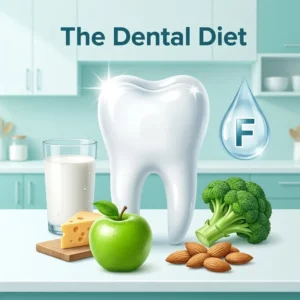
When it comes to food, go ahead and enjoy your vacation treats, but be mindful of sugary or sticky snacks. Frequent sugary indulgences (sodas, candies, pastries) without proper cleanup can fast-track tooth decay. A good strategy is to rinse your mouth with water or chew a piece of sugar-free gum after having sweets to neutralize acids and dislodge food bits. Whenever possible, choose teeth-friendly snacks: for example, crunchy fruits and veggies like apples, carrots, or celery act like natural scrubbers for your teeth (they can help remove plaque and freshen breath as you chew). Cheese or nuts are other great options – cheese has calcium that strengthens enamel, and nuts’ crunchiness can stimulate saliva flow. You don’t have to diet on vacation, just balance things out. Moderation and quick rinses will let you savor local foods and protect your smile.
- Be Prepared for Dental Emergencies: Hopefully your trip will be smooth sailing dentally, especially if you follow the tips above. But it’s wise to pack a small dental first-aid kit and have a plan in case something does happen. In your travel dental kit, include a few basics for emergencies: a small pack of sterile gauze (to stem any bleeding or serve as a cushion if you lose a filling or chip a tooth), a tiny container of temporary filling material (available at pharmacies; it can plug a cavity or lost filling until you see a dentist), and pain medication. If you have a history of dental issues, ask your dentist about prescribing an antibiotic or special rinse to take along, just in case.
Before you leave, research the contact information of a reputable dentist or clinic at your destination, especially if you’ll be abroad for an extended time or in a remote area. Your own dentist might help with recommendations, or you can check resources like local dental associations. If you’re traveling internationally, note down the contact for the nearest U.S. consulate or embassy as well – they can often provide independent recommendations for English-speaking dentists in the area. Importantly, keep your home dentist’s phone number handy too (store it in your phone). In many cases, if you experience something concerning – say a tooth starts aching or you crack a crown – you can call your dentist for advice. In fact, a lot of dental emergencies can be triaged over the phone and might not require immediate treatment until you’re back home. Your dentist can help you determine if it’s safe to wait or if you should seek care locally.
If a dental injury or severe pain does occur on your trip, don’t panic. Use your first-aid supplies (for example, apply gauze to a knocked-out tooth site and keep the tooth in milk or saline if one fell out, or plug a lost filling with the temporary material). Take pain relievers as needed, and seek professional care as soon as possible. It’s always better to address the issue promptly than to “tough it out” and risk a serious infection. By planning for the unexpected, you’ll be able to handle any surprise tooth troubles calmly and effectively – and get back to enjoying your vacation.
Travel Dental Care Safety Checklist
When it comes to keeping your teeth and gums healthy during travel, a little preparation goes a long way. Use this handy checklist to cover all the bases for safe and effective oral care on your trip:
- ✔ Before You Go – Dental Visit: Schedule a dental exam before your trip to fix any issues and get personalized travel advice. (If you’ve had recent dental work, confirm with your dentist that it’s stable for travel.)
- ✔ Packing Essentials: Bring a toothbrush (in a protective case), fluoride toothpaste (travel-size), floss or floss picks, and a small mouthwash. Don’t forget extras like your retainer/night guard and sugar-free gum. Pack these in your carry-on for easy access.
- ✔ Water Safety: If you’re unsure about the local tap water, use bottled water to brush and rinse your mouth. This prevents stomach illnesses and ensures your oral routine is safe.
- ✔ Consistent Brushing: Brush twice a day for 2 full minutes each time – no matter how busy or tired you are. Use a mirror (or front camera on your phone in a pinch) to ensure you clean every tooth surface.
- ✔ Daily Flossing: Floss at least once daily. This prevents plaque buildup between teeth and protects your gums from inflammation while you’re away. If you find regular floss awkward on the go, use floss picks to make it easier – what matters is that you do it.
- ✔ Smart Snacking: Limit sugary and acidic snacks/drinks when you can. Enjoy treats, but try not to sip sweet drinks constantly. Rinse with water after indulging, or chew a piece of xylitol gum to cleanse your mouth and neutralize acids.
- ✔ Stay Hydrated: Drink plenty of water throughout the day. It keeps you feeling good and helps wash away food particles, preventing dry mouth and cavities. Aim for water over soda or juice when possible.
- ✔ On-the-Go Freshening: Keep sugar-free gum or mints handy for times you can’t brush immediately. Chewing sugarless gum after meals will boost saliva and protect your teeth until you can brush properly.
- ✔ Emergency Info: Carry your dentist’s contact and have a plan for emergencies. Pack a small dental first-aid kit (gauze, temporary filling material, pain reliever). Knowing you’re prepared will reduce anxiety and allow quick action if something happens.
- ✔ Post-Trip Care: When you return home, give your teeth some extra love. Resume your normal routine if it slipped a bit. If you experienced any dental issues during the trip (even minor ones), see your dentist to check and treat them before they worsen.
By checking off these items, you’ll ensure that your oral health is well looked-after, from departure to return. Safe travels and happy brushing!
The Southside Advantage – Your Smile’s Travel Partner
Why choose Southside Dental Care to safeguard your smile before, during, and after your travels? Our commitment to patient well-being goes far beyond the dental chair. We pride ourselves on being partners in your health journey – and that includes making sure you feel confident about your teeth no matter where life takes you.
- Expertise and Experience: At Southside Dental Care, our team has extensive experience in preventive dentistry and patient education. We’ve helped countless patients prepare for trips, from study-abroad students to globetrotting professionals. We stay up-to-date on the latest oral health recommendations and research (E-E-A-T: experience, expertise, authority, trustworthiness), so the guidance we provide is grounded in science and tailored to you. When we tell you a pre-trip checkup is important, it’s because we’ve seen firsthand how it can save you from vacation-ruining pain. Our dentists will thoroughly examine your teeth and gums before you travel, addressing any red flags. With digital X-rays and advanced diagnostic tools, we leave no stone unturned – catching small issues early so they don’t become big problems when you’re miles from home.
- Patient Comfort and Compassion: We know that dental visits can cause anxiety for some, especially when you’re also nervous about upcoming travels. Rest assured, we foster a warm, comforting environment to put you at ease. Our staff takes the time to listen to your concerns (maybe you’re worried about a sensitive tooth acting up on your trip, or how to care for your new crown abroad). We’ll address each question patiently and thoroughly. If you need treatment before your trip, we offer gentle techniques and, if necessary, sedation options to ensure your comfort. Your peace of mind is our priority – when you leave our office, you’ll feel prepared and reassured that your oral health is in good hands.
- Personalized Travel Tips: One size doesn’t fit all when it comes to dental advice, and we understand that. Our team will provide you with custom tips for your specific travel plans. Going on a wilderness backpacking expedition? We can guide you on oral care when you have no running water (like which cleansing wipes or tablets to use). Traveling for a big international conference? We’ll make sure you have products to keep your breath fresh for those important meetings. We can even recommend the best gum care tips if you’re prone to gum sensitivity at high altitudes or offer pointers on managing braces or aligners during travel. This personalized approach comes from our genuine care for our patients’ well-being beyond the clinic.
- Cutting-Edge Technology: Southside Dental Care invests in modern dental technology, which means more precise care for you. From high-definition intraoral cameras (so we can show you exactly what area might need attention before you go) to laser cavity detection, we rely on the best tools to catch problems early. Our office is equipped to handle a wide range of dental services on-site, often in a single visit, which is ideal if you’re squeezing in an appointment shortly before travel. For example, if we find a small cavity during your pre-trip exam, we can often treat it immediately with a tooth-colored filling. You’ll appreciate the convenience of not having to delay or make multiple appointments, especially when travel is looming.
- Ongoing Support: The Southside advantage doesn’t end once you board your flight. We consider our patients part of the family. If you find yourself unsure about a dental situation while away, you can call or email us for guidance – we’ll help you determine the best course of action. We’ve even had patients send us a quick photo of a dental issue from abroad, and our dentists advised them on next steps until they could get in for a visit. This level of dedication is part of who we are. We want you to have a wonderful, worry-free trip and come back with nothing but good memories (and maybe some great photos of your smile!).
In short, Southside Dental Care has your back when it comes to oral health, wherever you go. From meticulous pre-trip checkups to compassionate, personalized advice and state-of-the-art care, we strive to be the dental team you trust through all of life’s adventures. Your healthy smile is our passion – and we’re here to keep it shining, at home or overseas.
Conclusion & FAQs
Travel is a time to enjoy new experiences, not be held back by tooth pain or dental emergencies. With a little preparation and the practical tips in this guide, you can confidently maintain your oral health wherever your journey takes you. Remember, consistency and smart choices are your best friends in preventing problems. Brush and floss regularly, stay hydrated, and don’t hesitate to reach out to your dentist if something feels off. At Southside Dental Care, we’re proud to support our patients in living their best lives with healthy, happy smiles. If you have any questions or need an exam before your next trip, we’re just a phone call away. Safe travels and keep smiling!
FAQ – Frequently Asked Questions:
Q1: What should I pack in my travel dental kit?
A: Pack the same core items you use at home, but in travel-friendly form. That means a toothbrush (preferably a foldable or compact one with a ventilated case), fluoride toothpaste (travel size), dental floss (or floss picks), and a small bottle of mouthwash. It’s also wise to include sugar-free chewing gum for on-the-go cleaning, a few disposable toothbrush covers or resealable bags to keep your brush clean, and any specialty items you use (e.g. orthodontic wax, a spare set of elastic bands for braces, or a retainer case). If you’re flying, remember that toothpaste and mouthwash need to be under 100 ml to go in carry-on luggage. Keeping these essentials in your hand luggage is a good idea in case your checked bags are delayed – you’ll have what you need to keep your teeth fresh during the journey.
Q2: What if I forget my toothbrush or toothpaste while traveling?
A: Don’t worry, it happens to the best of us! If you realize you’ve forgotten your toothbrush, you have a couple of temporary fixes until you can buy a new one. First, vigorously rinse your mouth with water to remove as much food debris and bacteria as possible. Second, you can apply a small dab of toothpaste on a clean washcloth or even on your clean finger, and use that to gently brush the surfaces of your teeth. This makeshift method isn’t as effective as a proper toothbrush, but it’s better than nothing and will help cut down on plaque and freshen your breath. As soon as you get the chance, purchase a new toothbrush – if available, choose one with soft bristles and the ADA seal of approval for quality. If you forgot toothpaste, rinsing with water and brushing with just the wet brush is still helpful to dislodge plaque. You can also use baking soda (if accessible) as a substitute for toothpaste in a pinch. And don’t forget to floss! Even without a toothbrush, flossing will remove debris between teeth and can prevent issues for a short time. The key is to maintain some level of oral hygiene until you’re able to fully restore your supplies. Most hotels can provide a complimentary toothbrush or toothpaste at the front desk, and airports commonly sell travel dental kits as well. So, solve the immediate need with these tips, then grab the real tools as soon as you can.
Q3: Is it really necessary to see a dentist before a trip?
A: If your routine checkup is already up to date and you have no oral health symptoms, a pre-trip dental visit is not an absolute must – but it’s definitely highly recommended for long journeys or important travel events. Think of it as preventive maintenance. A dentist can spot and fix little issues (like a tiny cavity, a loose filling, or emerging gum infection) before they flare up at the worst possible time on your vacation. Dr. Karen Horace of Delta Dental notes that taking care of small issues at home can be the difference between a simple fix now and a costly emergency abroad. No one wants to spend their holiday in a foreign dental clinic or dealing with throbbing pain. Additionally, if you’ll be away for an extended period or embarking on an adventure (such as climbing at high altitude or traveling to a remote area), it’s wise to get a clean bill of dental health before you go. During a pre-travel checkup, your dentist will ensure there are no lurking problems and can also give you specific advice – for example, how to manage if your teeth are sensitive to cold and you’re going skiing, or what to do if you’ve just had a procedure like a root canal and are about to fly (they might recommend waiting a few days before flying in some cases). In short, while it might not be “mandatory,” seeing your dentist before a big trip is a smart step for peace of mind. It lets you travel knowing you’ve done all you can to prevent avoidable dental drama. Plus, you can head out knowing your smile is in tip-top shape for all those vacation photos!
By following this travel dental care guide, you’re well on your way to enjoying your trip with a healthy mouth and a confident smile. Remember, Southside Dental Care is here to support you in all your oral health needs – at home and wherever your travels take you. Happy travels and keep smiling!