
If you’re a smoker, you may already suspect that cigarettes are hurting more than just your lungs. Perhaps you’ve noticed yellow-brown stains on your teeth or you’re dealing with constant bad breath. You might even worry about a nagging gum pain or a tooth that feels loose. These concerns are very real—smoking is one of the leading causes of dental problems like gum disease and tooth loss. In fact, nearly half of smokers over age 65 have lost all of their teeth due to smoking’s cumulative damage. Beyond the cosmetic stains and the occasional toothache, smoking can silently wreak havoc on your gums, bone, and the soft tissues in your mouth.
The good news is that you’re not powerless. At Southside Dental Care, we understand the unique oral health challenges that smokers face. Our patient-focused, compassionate team has helped countless patients manage and reverse the dental effects of smoking. From advanced gum treatments to gentle cleanings that lift away stubborn tobacco stains, we provide solutions in a comforting, non-judgmental environment. We know quitting tobacco isn’t easy, but protecting your smile is possible with the right care and guidance. In this article, we’ll explain why smoking damages your teeth and gums, how you can address these issues, and why Southside Dental Care is the best partner in keeping your mouth healthy.
Why & How Smoking Damages Your Teeth and Gums
Smoking introduces a host of toxins into your mouth with every puff. The tar and nicotine in tobacco cling to your teeth and linger on your gum tissue, while the heat and chemicals from smoke irritate and dry out your mouth. Over time, these effects combine to create a perfect storm for dental troubles. Below, we break down the major ways smoking impacts your oral health:
Smoking and Gum Disease (Periodontal Risks)
Healthy gums are the foundation of a healthy smile, and smoking undermines that foundation. Tobacco use is a major risk factor for periodontal (gum) disease. The nicotine in cigarettes causes blood vessels in the gums to constrict, reducing blood flow and masking the early warning signs of gum infection (such as bleeding). This means gum disease can progress silently in smokers. Moreover, smoking weakens your immune system’s response to infection, so the bacteria in plaque can attack your gum tissues more aggressively. Research shows that smokers have about twice the risk of developing gum disease compared to non-smokers. Heavy long-term smokers fare even worse – some studies indicate they are over four times more likely to have advanced periodontitis (severe gum infection) than non-smokers. In fact, it’s estimated that smoking may be responsible for up to half of all periodontal disease cases in the United States.
What do these periodontal risks mean for you? Essentially, smoking can cause your gums to pull away from your teeth and form deep pockets of infection. As the supportive gum and bone tissue deteriorate, teeth become loose. Gum disease from smoking is a leading cause of adult tooth loss. Without intervention, you could find yourself losing teeth one by one. If you smoke and notice red or puffy gums, persistent bad breath, or teeth that appear longer due to receding gums, it’s critical to seek professional periodontal care promptly. Treatments like deep cleanings (scaling and root planing) can help control gum disease, and quitting smoking will significantly improve your gum health over time.
Tooth Staining and Decay (The Stain Effects on Teeth)
They don’t call it “smoker’s teeth” for nothing – one of the most visible effects of smoking on oral health is tooth discoloration. The tar and nicotine in tobacco are notorious for yellowing the enamel of your teeth. Over the years, these stains can penetrate deep into the enamel, turning teeth a dull brown or even nearly black in heavy smokers. These stain effects aren’t just superficial; they can be stubborn and hard to remove with regular brushing alone. Many smokers find themselves hiding their smile due to embarrassment about the color of their teeth. Professional whitening or cleaning can help, but continuing to smoke will gradually undo those cosmetic improvements.
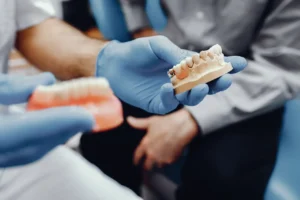
Beyond the cosmetic issues, smoking also contributes to tooth decay. A smoker’s mouth tends to be drier because tobacco reduces saliva flow. Saliva is important because it washes away food particles and neutralizes acids. With less saliva, plaque bacteria multiply faster, leading to more cavities. It’s no surprise that studies have found smokers have roughly double the rate of tooth decay and untreated cavities compared to people who never smoked. Over 40% of adult smokers have untreated cavities – twice the prevalence seen in nonsmokers. If you smoke, you might notice more fillings and crowns than your non-smoking friends, partly because of this increased decay risk. And when decay and gum disease combine, the outcome can be teeth that need to be extracted. (It’s little wonder that long-term smokers often require dentures; as mentioned, nearly half end up losing all their teeth in their later years due to these compounded effects.)
Keeping up excellent oral hygiene and dietary habits is essential to counteract smoking’s decay effect. Brushing twice a day, flossing daily, and using fluoride toothpaste or rinses can strengthen your enamel. Regular dental cleanings are also crucial – during cleanings, we can scrub away the sticky tar and plaque that your toothbrush might miss and apply fluoride to resist cavities. While the staining effects of smoking might make you self-conscious, remember that these can often be polished off or lightened with professional care, giving you a confidence boost as you work toward a healthier mouth.
Oral Cancer and Other Complications
Perhaps the most alarming effect of smoking on oral health is the dramatically increased risk of oral cancer. We often think of lung cancer when it comes to smoking, but the lips, tongue, throat, and mouth are on the front lines of tobacco exposure. Over time, the chemicals in smoke can cause cells in these areas to turn cancerous. Approximately 90% of cancers of the mouth, tongue, lips, and throat occur in people who use tobacco, and smokers are about six times more likely to develop these cancers than non-smokers. That’s a sobering statistic. What it means for you: if you smoke, regular dental check-ups are not just about cleaning teeth – they’re also about early detection. At Southside Dental Care, we perform oral cancer screenings and check for any unusual red or white patches or sores at every exam. Catching any precancerous changes early greatly improves the outcome, so don’t skip those visits.
Smoking also makes it harder for your mouth to heal from any injury or surgery. If you ever need a tooth extracted or undergo gum surgery or dental implant placement, smoking is likely to complicate your recovery. Nicotine reduces blood flow, so healing tissues don’t get the oxygen and nutrients they need. Smokers are at a much higher risk of developing dry socket (a painful condition after tooth extraction where the clot is lost) and of experiencing implant failures or infections after oral surgery. Dentists often advise patients to refrain from smoking for a period before and after any oral surgery for this reason. Furthermore, smoking can dull your sense of taste and smell, contribute to chronic bad breath (“smoker’s breath”), and even increase your risk for other infections like oral thrush (yeast infection) due to the imbalance it creates in your mouth’s environment.
In summary, there is virtually no aspect of oral health that smoking doesn’t negatively affect. From aesthetic issues like staining to serious diseases like periodontitis and oral cancer, tobacco is an enemy of a healthy smile. Understanding these risks is the first step – the next step is figuring out what you can do to protect your teeth and gums despite the habit. The following sections will compare oral health outcomes in smokers vs. non-smokers and then guide you through steps to keep your mouth as healthy as possible.
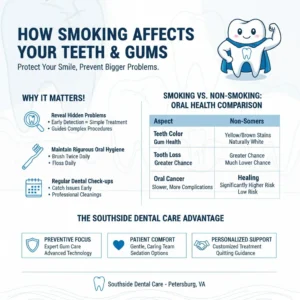
Smoking vs. Non-Smoking: Oral Health Comparison
It’s helpful to see just how much of a difference smoking can make. Below is a quick comparison of key oral health factors between smokers and non-smokers:
| Oral Health Aspect | Smokers (tobacco users) | Non-Smokers (never used tobacco) |
| Teeth Color & Stains | Often yellow or brown stains from tar/nicotine; dull or darkened enamel. “Smoker’s teeth” are common. | Typically naturally white or slightly stained only by food/drink; enamel stays lighter in color. |
| Cavities & Tooth Decay | Higher risk of cavities due to dry mouth and more plaque buildup. May have multiple untreated cavities. | Lower risk if maintaining good hygiene; saliva and healthier gums help keep decay in check. |
| Gum Health | High risk of gum inflammation and periodontal disease. Gums may recede and infections often go unnoticed until advanced. | Lower risk of gum disease (with good oral care). Gums remain pink and firm, with obvious bleeding if issues arise. |
| Tooth Loss | Greater chance of losing teeth from decay or gum disease. Nearly 1 in 2 long-term smokers eventually loses all teeth. | Much lower chance of total tooth loss. Most non-smokers keep most or all of their teeth into older age. |
| Healing After Dental Work | Slower healing and more complications. Higher risk of dry socket after extractions and implant failure due to reduced blood flow. | Normal healing times. Fewer complications after dental surgeries; implants and extractions usually heal uneventfully. |
| Oral Cancer Risk | Significantly higher risk – tobacco chemicals greatly increase chances of oral cancers. (About 90% of oral cancer cases are tobacco-related.) | Low risk of oral cancers in the absence of tobacco use (assuming moderate alcohol use and other factors). |
As the table shows, smoking can negatively skew virtually every oral health outcome. Smokers face more stains, more cavities, more gum problems, slower healing, and higher cancer risks than non-smokers. The differences are stark, but recognizing them can motivate positive change. Every step you take to care for your teeth and gums (and ultimately to quit smoking) will tilt the balance back in your favor.
Steps to Protect Your Oral Health if You Smoke
Even if you’re not ready to quit smoking yet, there are proactive steps you can take right now to safeguard your dental health. Our dentists encourage smokers to follow these guidelines:
- Stay Alert for Early Signs: Pay close attention to changes in your mouth. Catching problems early is key. Look for warning signs like bleeding when brushing (if it occurs at all), persistent bad breath, new stains, white or red patches on your tongue or cheeks, gum recession (teeth appearing longer), or any tooth mobility. If you notice something off, don’t wait—get it checked. Early gum disease or small cavities are much easier to treat than advanced damage.
- Maintain Rigorous Oral Hygiene: Be disciplined with your daily dental care. Brush at least twice a day with a fluoride toothpaste, and floss every night to remove plaque between teeth. Consider using an antiseptic or anti-plaque mouthwash to reduce bacterial load. Good oral hygiene is your first line of defense against the extra plaque and dry mouth that smoking causes. You might also chew sugar-free gum after smoking to stimulate saliva flow (which helps neutralize acids and remineralize teeth).
- Schedule Regular Dental Check-ups: Don’t skip your dental visits. In fact, as a smoker you might benefit from more frequent cleanings—possibly every 3-4 months instead of every 6—depending on your gum condition. Regular exams allow us to do a thorough dental evaluation of your teeth and gums, professionally clean off hardened tartar and tobacco stains, and catch issues early. Professional cleanings also often include fluoride treatments to strengthen your enamel. Think of your dentist as an ally in keeping your mouth healthy despite the tobacco; we’re here to help, not to judge.
- Get Prompt Treatment for Problems: If your dentist finds gum disease or cavities, follow through with the recommended treatments promptly. This may include a deep cleaning (scaling and root planing) to address gum infection, fillings or crowns for cavities, or even specialized periodontal care procedures for advanced gum disease. Treating issues early will prevent pain and tooth loss down the road. Remember, delaying treatment only gives the problem more time to worsen—especially in a mouth that’s already vulnerable from smoking.
- Consider Quitting or Reducing Smoking: Every cigarette you don’t smoke is a win for your mouth (and the rest of your body). We know quitting is challenging, but even cutting back on the number of cigarettes per day can reduce some harm. Many patients find that improvements in their oral health—fresher breath, nicer looking teeth, less mouth pain—provide motivation to quit. If you’re thinking about quitting, talk to us or your physician. There are resources and therapies (nicotine replacement products, medications, counseling, etc.) that can double your success rate in quitting. And here’s some encouragement: once you quit, your risk for gum disease and oral cancer will start to drop. After a number of smoke-free years, your periodontal health and cancer risk can approach that of someone who never smoked!
By following these steps, you can significantly mitigate the damage that smoking does to your teeth and gums. We have seen patients who, with diligent care and regular dental help, manage to keep healthy smiles even while they work on quitting a long-term smoking habit. It’s never too late to start taking better care of your mouth.
Oral Care Checklist for Smokers
Taking care of your oral health is extra important when you smoke. Use this handy checklist as a daily reminder and post-care guide:
- Brush Thoroughly Twice a Day: Use a fluoride toothpaste and spend a full two minutes brushing, especially along the gumline and behind the front teeth where smoke residue can linger.
- Floss or Clean Between Teeth Daily: Smoking can lead to tartar buildup between teeth. Flossing removes plaque from those tight spaces and helps prevent gum infections.
- Use an Antimicrobial Mouthwash: Rinse with a mouthwash that kills bacteria and freshens breath. This helps counter “smoker’s breath” and reduces plaque. Alcohol-free mouthwash is gentler if you have dry mouth.
- Stay Hydrated and Chew Sugar-Free Gum: Combat dry mouth (caused by nicotine) by drinking water frequently. Chewing sugar-free gum can stimulate saliva, which protects against cavities.
- Avoid Smoking After Dental Procedures: If you’ve had a tooth extraction, implant, or gum treatment, refrain from smoking for at least 48–72 hours (or as advised by your dentist). This gives your tissues a chance to heal and greatly lowers the risk of complications like dry socket.
- Get Professional Cleanings Regularly: Commit to seeing your dentist for cleanings and exams at least twice a year (more if recommended). Professional cleanings will remove hardened tobacco stains and tartar that you can’t tackle at home.
- Examine Your Mouth Monthly: Perform a self-check by looking in the mirror under good lighting. Note any unusual patches, sores, or lumps, and monitor if they persist for more than 2 weeks. Early detection of changes can be lifesaving.
- Don’t Ignore Bleeding or Pain: If you experience bleeding gums, toothache, or any oral pain, schedule a dental visit. These symptoms, even if mild, can signal developing gum disease or decay that needs attention.
- Seek Support to Quit (When Ready): When you feel ready, ask us or your doctor about stop-smoking support. Quitting is the single best thing for your oral health – you’ll notice improvements in taste, breath, and gum health within weeks of stopping tobacco.
By following this checklist, you’ll create a healthier environment in your mouth and catch any problems early. Consistency is key – a little effort each day will pay off with stronger teeth and gums.
The Southside Dental Care Advantage
Choosing the right dental team makes all the difference when you’re dealing with the oral effects of smoking. Here’s why Southside Dental Care is the ideal partner in protecting and restoring your smile:
- Expertise in Gum Care: Our clinic specializes in preventive and gum care for patients at risk of periodontal disease. We have an in-house periodontist and highly trained hygienists who understand the specific challenges smokers face. From gentle deep cleanings to advanced gum therapies, we can halt gum disease progression and help you keep your natural teeth as long as possible. We stay up-to-date on the latest periodontal treatments, so you’re always getting state-of-the-art care.
- Modern Technology & Treatments: Southside Dental Care is equipped with modern dental technology to improve both your experience and your outcomes. We use digital X-rays and 3D imaging to spot problems early (like hidden decay or bone loss), intraoral cameras to show you what we see, and laser therapy options for treating gum inflammation with minimal discomfort. Our professional whitening (Whitening Boost) services can dramatically reduce tobacco stains, and our restorative techniques (tooth-colored fillings, crowns, implants, etc.) will rebuild any damage in a way that looks and feels natural.
- Patient-Focused, Comfortable Experience: We truly care about our patients, and it shows from the moment you walk in. Our team has been serving the Petersburg, VA community for over 20 years, building trust one smile at a time. We understand that smokers might feel anxious about being judged, but rest assured – we provide a judgment-free zone. Our dentists and staff will focus on helping you, not lecturing you. If you’re nervous about dental procedures, we offer sedation dentistry to help you relax. From cozy blankets and a friendly chairside manner to sedation options like laughing gas, we prioritize your comfort at every visit.
- Comprehensive Services Under One Roof: At Southside Dental Care, you won’t need to hop around to multiple specialists. We handle everything from routine cleanings and fillings to gum surgeries, dental implants, and cosmetic dentistry. This comprehensive approach is especially beneficial for smokers, who often need a mix of periodontal maintenance, restorative work, and cosmetic touch-ups. Our coordinated care means your treatment plans are seamless and customized to your needs. For example, if you need a deep cleaning and later decide to replace a missing tooth with an implant, we’ll guide you through each step right here in our office.
- Personalized Guidance and Support: Our mission is not just to treat dental issues, but also to empower you with the knowledge and tools to prevent them. We take the time to educate our patients on proper home care techniques (tailored to smokers’ needs) and provide personalized tips for improving your oral health. If you’re considering quitting smoking, our team will support you by monitoring improvements in your oral health and keeping you motivated. We celebrate those “small wins” with you – like less gum bleeding or whiter teeth – because we genuinely care about your well-being.
At Southside Dental Care, we pride ourselves on a patient-focused experience backed by modern tech and proven results. Our friendly, skilled team has seen it all when it comes to smoking-related dental issues, and we have helped patients regain healthy, sparkling smiles even after years of tobacco use. We invite you to experience dentistry that is compassionate, comfortable, and committed to your health. We even offer free consultations, so you can meet us and discuss your concerns with no obligation. When you’re with us, you’re not just another patient – you’re part of our family, and we’ll go the extra mile to make sure you leave with a smile.
Conclusion
Smoking may be a tough habit to break, but its impact on your oral health is one problem you can start addressing today. Your teeth and gums are incredibly resilient if given the right care. By staying vigilant for early signs of trouble, maintaining good daily habits, and partnering with a caring dentist, you can prevent many smoking-related dental issues or stop them from getting worse. Southside Dental Care is here to help you every step of the way. We believe every patient deserves a healthy smile – including you.
Don’t wait until a minor toothache turns into a major ordeal. If you’re a smoker (or former smoker) concerned about your dental health, schedule a dental evaluation with us today. Our experienced team will thoroughly assess your teeth and gums, answer all your questions, and craft a personalized plan to address any issues we find. Together, we’ll tackle staining, treat gum problems, repair any decay, and monitor for serious conditions, all while keeping you comfortable and informed. It’s never too late to invest in your smile. With a combination of professional care and consistent home practices, plus perhaps cutting down on cigarettes, you’ll be amazed at how much your oral health can improve. Remember, every positive change counts – even scheduling a check-up or improving your brushing routine is a step toward a stronger, brighter smile.
Ultimately, the goal is a mouth that’s pain-free, disease-free, and confident. Southside Dental Care has the technology, expertise, and heart to make that goal a reality for you. Let us help you protect your teeth and gums so you can keep sharing your smile with the world.
Frequently Asked Questions
Q: I smoke but brush my teeth every day. Can I still get gum disease?
A: Yes. While good brushing and flossing are absolutely helpful, smoking can still lead to gum disease even in people with decent oral hygiene. The chemicals in tobacco reduce blood circulation in your gums and weaken your body’s immune response, so plaque bacteria can cause more damage than they would in a non-smoker. You might not see the usual warning sign of bleeding gums because nicotine hides it. Over time, this can allow periodontal disease to develop out of sight. That’s why regular dental check-ups and cleanings are crucial for smokers, even if your brushing is on point – we can catch signs of gum disease early and help you manage it.
Q: If I quit smoking, will my teeth and gums get better?
A: Absolutely – quitting smoking is one of the best things you can do for your oral (and overall) health. Once you stop smoking, you’ll likely notice improvements within weeks: your gums may bleed more initially (as normal blood flow returns, which is actually a good sign of healing), your breath will get fresher, and your sense of taste will sharpen. Over the following months and years, your risk of cavities and gum disease will drop. Healthy pink color often returns to your gums as circulation improves. If you had early-stage gum disease, quitting can help your gums respond better to treatment and regenerate some of their strength. While existing deep stains on your teeth might need professional cleaning or whitening to fully remove, you’ll at least stop adding new stains. Even the risk of oral cancer starts to decrease once you quit. In short, your mouth will begin recovering — and we’re here to support that recovery with tailored care and maintenance.
Q: How often should a smoker see the dentist for check-ups?
A: As a general rule, we advise smokers to have a dental exam and cleaning at least twice a year (every six months). However, depending on your individual situation, our dentists might recommend more frequent visits. For example, if you have a history of gum disease or are currently dealing with periodontal issues, a cleaning every 3–4 months can keep the disease under control. Frequent visits ensure that tartar (hardened plaque) and smoke residues are cleared away regularly, and they give us a chance to monitor your gums for any changes or early signs of trouble. These appointments also include oral cancer screenings, which are very important for smokers. Remember, preventive care is far less costly and painful than treatments for advanced problems. Regular check-ups, combined with diligent home care, form the best defense against the effects of smoking on your teeth and gums. We’ll work with you to set the ideal visit schedule to keep your mouth as healthy as possible.
Feel free to contact Southside Dental Care if you have any more questions or if you’re ready to take the next step in safeguarding your smile. We’re always here to help you, with expertise and empathy, on your journey to optimal oral health.