Summer is here – time for backyard barbecues, ice-cold drinks, and days at the beach. But all that fun in the sun can sometimes spell trouble for your teeth. Perhaps you’ve felt a zing of pain when biting into a popsicle or noticed your mouth feeling drier on hot days. Maybe you’re worried about keeping your smile bright for vacation photos or anxious about a cavity flaring up during a weekend getaway. These concerns are common. The good news is, with a few proactive steps, you can enjoy the season’s treats and activities without sacrificing your oral health.
At Southside Dental Care, we understand the unique dental challenges that summer brings – from dehydration-related dry mouth to an uptick in sugary snacks. Our experienced and friendly team is here to help you navigate these challenges with confidence and ease. In this guide, we share expert, patient-focused advice on summer dental health. The tone is professional yet comforting, because we know dental worries can be stressful. By following our tips, you can prevent problems like pain or sensitivity before they start, and get back to enjoying your summer with a healthy, sparkling smile. Let’s explore why summer requires a bit of extra dental care and exactly how to keep your teeth and gums safe during the hottest months.
Why Summer Dental Health Matters (and How to Protect Your Smile)
Summer weather and lifestyles create some specific oral health risks. Understanding why these issues occur and how to address them will help you take better care of your smile. Below, we break down the main summer dental concerns – and what you can do about each one:
Dehydration and Dry Mouth
Hot weather means we sweat more, which can lead to dehydration. One side effect of dehydration is dry mouth, because your body produces less saliva when you’re low on fluids. Saliva is a natural protector for your teeth – it washes away food particles and neutralizes harmful acids. Without enough saliva, you’re at greater risk for cavities and even gum disease. You might notice a sticky, dry feeling or even bad breath when your mouth is parched. The solution? Stay hydrated. Drink plenty of water throughout the day to keep saliva flowing. This not only prevents dry mouth, it also helps rinse away bacteria and food debris. In fact, water is your best friend in summer oral care – drinking water helps wash away leftover sugars and acids and prevents the dry mouth that can lead to tooth decay. Additionally, snacking on water-rich fruits (like watermelon, cucumber, or oranges) can help with hydrating gums and oral tissues, keeping them moist and comfortable. If you struggle with sensitive or inflamed gums in the heat, sipping water and staying hydrated can offer real relief.
Sugary Summer Treats & Drinks
From ice cream and popsicles to lemonade and sodas, summer is full of sugary treats. We all love indulging in them – but it’s important to be mindful of their effect on our teeth. The bacteria in your mouth thrive on sugar and produce acids as a by-product, which can wear away your tooth enamel and lead to cavities. In other words, every time you sip a sweet iced tea or crunch on a sugary snack, those bacteria get to work creating acid that attacks your teeth’s protective layer. Frequent sipping of sugary or acidic beverages (like colas, sports drinks, energy drinks, or citrus juices) is especially harmful because it creates a constant acid bath on your enamel. Even diet sodas or lemonade can be very acidic and erode enamel over time. You don’t have to swear off summer treats entirely – but moderation and timing are key. Dentists recommend limiting between-meal sweets and enjoying goodies with meals rather than alone, since other foods help neutralize acids. If you do have a soda or a snow cone, try to rinse your mouth with water afterward to wash away the sugars and acids. Another tip: consider chewing sugar-free gum after a sweet treat. Chewing gum (with no sugar) stimulates saliva flow, which helps neutralize acids and clean out debris, and can even freshen your breath. Opt for tooth-friendly snacks when possible – for example, swap sticky candies for fresh fruit, or choose a piece of cheese which can neutralize acid. These small choices will greatly reduce your risk of summertime cavities.
Sports, Outdoors & Dental Injuries
Summer means outdoor sports, pool parties, and general physical activity. With this uptick in activity comes a higher risk of dental injuries like chipped or knocked-out teeth. Basketball, soccer, biking, skating – even a pickup game of frisbee – can all lead to an accidental impact on your mouth. Protecting your teeth during outdoor fun is crucial. Always wear a mouthguard when playing contact sports or any activity where collisions or falls are possible. A properly-fitted mouthguard cushions any blows and can prevent severe injuries like broken teeth or cut lips. (This is especially important for kids in summer sports leagues!) It’s a simple step that can save you from a dental emergency. Additionally, be mindful of using your teeth for the wrong tasks: never use your teeth as tools to open bottles, packages, or bite fishing line, as this can easily crack a tooth or filling.
Even non-contact summer activities can pose hidden risks. For example, around the swimming pool, running on slippery wet surfaces can lead to falls and dental trauma. And here’s something many people don’t realize: the pool water itself can affect your teeth. If a pool’s chlorine levels aren’t balanced, the water can become too acidic. Prolonged exposure to overly chlorinated (acidic) pool water may slowly erode your tooth enamel without you even knowing. Competitive swimmers have been known to develop “swimmer’s calculus” or increased enamel wear from spending hours in chemically treated water. The good news is you don’t need to quit the pool – just take a couple of precautions. Ensure your home pool’s pH is properly maintained (7.2–7.8 is the ideal range). And after swimming, rinse your mouth with fresh water to wash away any lingering chlorine or chemicals on your teeth. These steps will help keep your enamel strong while you cool off in the water.
Sun Exposure & Lip Protection
Don’t forget that your lips and oral tissues need protection in summer, too! We often remember sunscreen for our skin but overlook our lips. The skin on your lips is very thin and vulnerable to UV radiation. Hours of sun exposure can lead to dry, cracked lips or even sunburn blisters. Over time, excessive sun on the lips may increase the risk of oral cancer as well. To shield your lips, use a lip balm with SPF (sun protection factor) whenever you’re outdoors, just like you would use sunscreen on your face. Reapply it every couple of hours, especially if you’re swimming or sweating a lot (since water and sweat can remove the protective balm). Keeping your lips moisturized will prevent painful cracking and also help maintain comfort if you suffer from dry mouth. Staying hydrated also supports your lip health – remember, hydration and oral health go hand in hand. So drink water frequently and keep that lip balm handy when you’re out enjoying the sunshine. A little preventive care for your lips will ensure your whole mouth stays healthy and comfortable through the summer.
Routine Changes & Travel Plans
Summer schedules can be unpredictable. You might be traveling on vacation, camping for a week, or simply enjoying lazy days off from school or work. With all the fun and distraction, it’s easy to let your oral hygiene routine slip. Late nights at the bonfire might tempt you to skip brushing, or living out of a suitcase might throw off your flossing habits. It’s important to remember that tooth decay never takes a vacation! Staying consistent with daily brushing and flossing is just as critical in summer as any other time of year. In fact, because you may be consuming more sweets or acidic drinks, you want to be extra diligent. Make sure you brush at least twice a day (morning and before bed) with fluoride toothpaste, and floss once daily to clean between your teeth. If you’re too tired at night, at least do a thorough job in the morning and consider a quick brush or rinse after meals.
When you’re traveling, pack a “dental to-go kit” so you’re never without the basics. Include a travel-size toothbrush and toothpaste, floss, and maybe a small bottle of mouthwash. Keeping these in your carry-on or purse makes it easier to freshen up on the road. Pro tip: let your toothbrush air dry when possible; stuffing a wet toothbrush into a closed travel case can lead to bacterial growth – not something you want in your mouth. If you’re camping or somewhere without running water, pack a bottle of clean water specifically for brushing and rinsing. Maintaining your routine might take a little extra effort away from home, but your teeth will thank you. And if you have kids, try to keep them on their brushing schedule too – perhaps make it a fun family activity each morning and night, even on vacation. By sticking to good habits and planning ahead, you can keep your smile bright and healthy no matter where summer takes you.
Water vs. Sugary Drinks: Choosing Summer Refreshments Wisely

Even the American Dental Association warns that many of our favorite drinks have a low pH (are highly acidic) and can contribute significantly to tooth enamel erosion. The table below compares some common summer beverages and their impact on your oral health:
| Beverage | Impact on Teeth | Summer Tip |
| Water | No sugar, no acid – helps neutralize mouth pH and washes away food particles. Increases saliva flow and prevents dry mouth. | Best choice: Stay hydrated with water all day. It keeps your mouth clean and is overall healthiest for your smile. |
| Sports Drinks | Often contain high sugar and citric acid. Frequent sipping can contribute to enamel erosion and cavities over time. (Colored sports drinks may also stain teeth.) | Limit to when needed for intense exercise. Choose sugar-free versions if available, and drink water afterward to rinse acids. |
| Soda & Sweet Tea | Loaded with sugar and very acidic (especially colas). Soft drinks and sweet iced teas are major contributors to tooth decay and enamel wear. Carbonation can further lower pH. | Avoid continuous sipping. If you indulge, use a straw to minimize contact with teeth and rinse with water after. Consider switching to sparkling water with a splash of fruit instead. |
| Fruit Juices & Lemonade | Often acidic (citrus) and high in natural or added sugars. Can erode enamel and feed bacteria that cause cavities. Dark juices may also cause staining. | Dilute juices with water or ice. Drink them in one sitting (rather than sipping all day) and preferably with a meal. Rinse afterward. Fresh whole fruit is a better choice whenever possible. |
As you can see, water comes out on top every time. It keeps you hydrated and protects your teeth. By contrast, sugary and acidic drinks should be enjoyed only in moderation. When you do have a sweet beverage, try to drink it with a meal (food helps buffer acids) and use the strategies above to reduce damage, like straws and rinsing. Your summer smile will stay brighter if you make water your go-to drink!
Your Step-by-Step Summer Smile Care Plan
Ready to put all these tips into practice? Here’s a simple step-by-step plan to keep your teeth and gums healthy through the summer months. This plan addresses everything from preventive dental visits to daily habits and what to do in case of an emergency.
- Schedule a Summer Dental Checkup. There’s no better way to start the season than with a clean bill of oral health. Seeing your dentist before or early in the summer ensures that any issues (like small cavities or a grumpy wisdom tooth) are addressed before they flare up on vacation. In fact, summer is a great time to get your routine cleaning or any needed dental work done, before the busy fall schedule kicks in. At Southside Dental Care, scheduling a checkup is easy – and our flexible hours can accommodate your summer plans. A quick visit now can save you a lot of trouble later.
- Stick to Your Daily Oral Hygiene Routine. Travel and schedule changes are no excuse to neglect brushing and flossing. Make it a rule to brush twice a day (morning and night) with fluoride toothpaste, and floss once a day without fail. If you’re home, keep up your normal routine; if you’re on the go, use that travel kit you packed. Consistency is key – regular brushing and flossing prevent the buildup of plaque that leads to cavities and gum irritation. For extra protection, you can rinse at night with an antiseptic mouthwash to cut down on bacteria. And remember to change out your toothbrush after about 3 months (or after you’ve been sick); a fresh brush will clean more effectively. By maintaining good oral hygiene habits even during summer fun, you’ll greatly reduce your risk of dental problems.
- Stay Hydrated – Water is Your Best Friend. We’ve said it before, but it bears repeating: drinking enough water is essential for oral health (and overall health) in the summer. Make a habit of carrying a water bottle wherever you go – whether you’re at the office, the pool, or an outdoor concert. Take sips frequently to keep your mouth moist. This keeps your saliva levels up, which in turn helps prevent tooth decay and bad breath. If you’re sweating a lot or spending time in the sun, up your water intake accordingly. As a bonus, drinking water can also help curb snacking by keeping you feeling fuller and refreshed. Tip: If plain water gets boring, infuse it with slices of cucumber, mint, or citrus for a tasty twist without added sugar. Staying well-hydrated is one of the simplest and most effective ways to protect your teeth in summer. Your whole body – and your smile – will benefit from it.
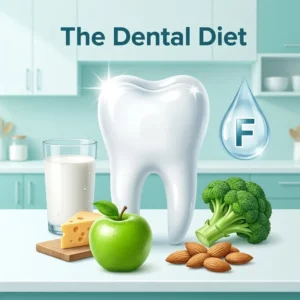
- Make Smart Food & Drink Choices. You don’t need to deprive yourself of summer goodies, but aim for balance and smart choices. Limit how often you consume very sugary or sticky treats. For example, instead of grazing on candy or soda throughout the day, enjoy a treat at mealtime when your mouth is already producing saliva (which helps neutralize acids). Choose healthier options when possible: crunchy fruits (apples, pears) and vegetables (carrots, celery) make great snacks that actually help clean your teeth as you chew. Dairy products like cheese and yogurt are other tooth-friendly choices – they’re low in sugar and rich in calcium. When you do have something sweet or acidic, take steps to lessen the impact. Have a glass of water alongside that lemonade or cola, and rinse your mouth afterward. Better yet, sip through a straw if you’re drinking soda or juice – this minimizes direct contact with your teeth and can reduce the risk of cavities and sensitivity. Another idea is to freeze sugar-free juice or yogurt into popsicles for a healthier icy treat. By being mindful of your diet and favoring tooth-friendly foods, you can indulge now and then and keep your smile safe.
- Protect Your Teeth During Summer Activities. Summer adventures can sometimes be rough on your teeth, so take preventive measures. If you’re playing sports (like football, basketball, soccer, or even skateboarding and biking), wear a mouthguard – especially for kids and teens. A custom-fitted mouthguard from your dentist offers the best protection, but even a store-bought one is far better than nothing. It only takes one unlucky fall or collision to chip a tooth. Similarly, use common sense: don’t chew on ice cubes or hard candies, no matter how refreshing it feels on a hot day. The extreme cold and hardness of ice can crack your enamel or existing fillings. (Crunching ice is a habit dentists often see cause surprise fractures!) Instead, let ice cubes melt in your drink or chew sugar-free gum if you need something to nibble. Also, be cautious about sudden temperature changes – like going from hot coffee to ice water – which can stress your teeth. If your teeth are sensitive, let hot drinks cool a bit and avoid biting directly into very frozen foods. And we mentioned it earlier, but it’s worth noting in your action plan: protect your lips with SPF balm during all outdoor activities. A sun-burnt lower lip is not only painful, but repeated burns can increase health risks. Keeping these protective habits in mind will ensure that summer fun doesn’t turn into a dental emergency.
- Be Prepared for Dental Emergencies. Hopefully your summer will be incident-free, but it’s best to be prepared just in case. First, stock a small dental first-aid kit in your bag or car when traveling. Include gauze (for bleeding), a small container with a lid, and pain relievers like ibuprofen. Know the contact number of your dentist (and save it in your phone) – if something happens, you can call for guidance. If you’re traveling far from home, research the location of an emergency dentist or clinic at your destination ahead of time. Common summer dental emergencies include knocked-out teeth, fractures, or sudden toothaches. If a tooth gets knocked out, gently rinse it (hold it by the crown, not the root) and place it in a cup of milk or saliva – then see a dentist within 30-60 minutes if possible for the best chance of reimplantation. For a severe toothache or broken tooth, rinse your mouth with warm water, use cold compresses for swelling, and seek dental care as soon as you can. Remember, never ignore significant tooth pain or injuries, hoping they’ll go away. Early treatment can save your tooth and prevent complications. When in doubt, call your dentist – even if it’s after hours, they often have emergency lines or voicemail instructions. By acting quickly and calmly, you can prevent a small crisis from ruining your summer. (And of course, Southside Dental Care is here to help our patients 24/7 in emergencies – we don’t want you toughing it out in pain!)
Summer Dental Care Checklist ✅
To recap, here’s a handy checklist to keep your smile safe and shining during the summer months. Use it as a quick-reference anytime you feel unsure about your dental care routine:
- Brush and floss daily: Brush at least 2× a day (with fluoride toothpaste) and floss 1× a day to remove plaque and food debris. Don’t let vacation mode stop your routine!
- Stay hydrated: Drink water throughout the day, every day. Aim for 8 glasses (or more if you’re very active or in extreme heat). Water helps prevent dry mouth and rinses away sugars.
- Use SPF on lips: Apply a lip balm with sunscreen whenever you’re outdoors, and reapply often. This protects against painful sunburn and long-term lip damage.
- Wear a mouthguard for sports: Playing basketball, football, or any contact sport? Pop in your mouthguard. It can save your teeth from cracks or getting knocked out. (Helmets and face shields are wise for activities like biking or skateboarding, too.)
- No ice chewing or hard candy: Avoid chewing on ice cubes, hard candies, popcorn kernels, or other hard objects that can crack teeth. If you need to crunch on something, choose sliced apples or carrot sticks instead.
- Rinse after swimming: After spending time in a chlorinated pool, give your mouth a quick rinse with plain water. This washes away chlorinated water and helps protect your enamel from any lingering pool chemicals.
- Don’t delay care: If you feel a persistent toothache, notice a crack, or have any dental concern, don’t wait. Call your dentist and get it checked. Prompt care can prevent minor issues from becoming major problems.
Following these steps will go a long way toward maintaining a healthy smile all summer. Prevention and consistency are your best allies in oral health!
The Southside Dental Care Advantage
Summer is a wonderful time to prioritize your dental health – and having the right dental team by your side makes all the difference. At Southside Dental Care, we pride ourselves on providing an exceptional, patient-centered experience for every person who walks through our doors. What does that mean for you? First, we offer comprehensive dental services for patients of all ages, all in one convenient location. Whether you need a routine cleaning, a cavity filled, a custom mouthguard for sports, or even a cosmetic touch-up to boost your smile confidence, we’ve got you covered. Our experienced dentists use modern technology and techniques to deliver high-quality care efficiently and comfortably. We stay up-to-date on the latest advances – from low-radiation digital X-rays to gentle laser treatments – to ensure you get the best care possible. Essentially, you can trust that when you come to Southside Dental Care, you’re receiving cutting-edge treatment tailored to your needs, all aimed at keeping your smile healthy, bright, and beautiful.
Most importantly, we understand that a visit to the dentist can make some patients feel nervous – and we go above and beyond to keep you comfortable and at ease. Our clinic has a warm, friendly atmosphere, and our team truly treats you like family. Do you have dental anxiety or fear of the drill? We offer sedation dentistry options to help you relax during procedures. From the moment you sit in the chair, we’ll talk you through the process, answer all your questions, and ensure you feel in control. Patient comfort and safety are our top priorities. Additionally, we know your time is valuable. That’s why we provide flexible scheduling options designed to fit even the busiest summer timetable – including convenient appointment times and prompt emergency care when you need it. Need an early morning slot before work, or a weekend check-up? We’ll do our best to accommodate you. The Southside Dental Care advantage is all about combining expertise with empathy. Our skilled professionals, state-of-the-art equipment, and gentle approach make it easier for you to get the care you need without stress or hassle. We’re not just treating teeth – we’re caring for people, and it shows in everything we do.
When you choose Southside Dental Care, you’re choosing a partner in your health who will stand by you every season of the year. From summertime tips to wintertime check-ups, we’re here to keep you smiling.
Conclusion & FAQ
In conclusion, caring for your teeth during the summer comes down to a few simple but powerful habits: stay hydrated, maintain good oral hygiene, protect your mouth during activities, and be mindful of your sugar intake. With a proactive approach, you can prevent common summertime dental issues like cavities, dry mouth, and chipped teeth – and instead focus on making great memories. Remember, a healthy smile means a happier you, whether you’re posing for a vacation snapshot or just enjoying an ice cream cone with friends. And if something does feel off or you haven’t had a dental check-up in a while, don’t hesitate to reach out to your dentist. Southside Dental Care is always here to support you with expert guidance and compassionate care. We believe that with these tips, you can breeze through the season with confidence in your oral health. For more seasonal tips on keeping cavities at bay year-round, feel free to explore our resources or contact us anytime for personalized advice. Enjoy your summer, stay safe, and keep smiling – you’ve got this!
Frequently Asked Questions
Q: Why is staying hydrated so important for my oral health in summer?
A: In the summer heat, you’re more likely to get dehydrated, which can lead to dry mouth. Without enough saliva, your mouth loses some of its natural defense against bacteria and acids. This can increase your risk of cavities, gum irritation, and bad breath. By drinking plenty of water, you keep saliva production up. Saliva washes away food particles and neutralizes harmful acids in your mouth. Essentially, staying hydrated helps protect your teeth throughout the day. Plus, water often contains fluoride (if from the tap), which further strengthens your enamel. So carry a water bottle and sip often – your teeth will thank you!
Q: I have a sweet tooth. How can I enjoy summer treats without harming my teeth?
A: You can absolutely still enjoy the occasional treat – just do it smartly. First, try to limit frequency of sugary snacks and drinks. It’s better to have a dessert with a meal and then give your mouth a break, rather than sipping or snacking on sugar all day long. When you do indulge, drink water along with it and afterward to rinse off sugars. You might also chew a sugar-free gum for a few minutes post-treat to stimulate saliva (nature’s cleanser). Opt for treats that are kinder to teeth: for example, choose chocolate (which melts away) over a sticky toffee that clings to teeth, or have a fruit popsicle instead of a super-sour candy. Enjoying sweets in moderation, and caring for your teeth soon after, will allow you to satisfy your cravings with less risk of cavities. And don’t forget to brush before bed especially on days you’ve had sugary foods!
Q: What should I do if I have a dental emergency while on vacation?
A: Dental emergencies can be scary, especially away from home, but staying calm and prepared will help. If you experience a severe toothache, lost filling, or crack while traveling, start by gently cleaning the area (rinse your mouth with warm water). For pain, over-the-counter pain relievers can help (follow the instructions and avoid placing aspirin directly on the gum, as that can cause a burn). If a tooth is knocked out, time is critical: hold it by the crown (the top part), rinse it if dirty, and if possible place it back in the socket or in a container of milk – then seek a dentist immediately. For any emergency, call a local dentist or emergency dental clinic as soon as you can. Many cities have 24/7 dental services. If you’re not sure who to call, you can phone our office and we may be able to direct you to appropriate care in the area. The key is not to wait – prompt treatment can often save a tooth or prevent an infection from worsening. Before you travel, it’s a good idea to research emergency dental contacts at your destination and ensure you have dental insurance info or payment method handy. And of course, getting a checkup before vacation can catch issues so they don’t turn into emergencies while you’re away. Safe travels, and remember we’re just a call away if you need help!