Raising a teenager comes with plenty of challenges – and caring for their teeth is no exception. Many parents worry that their teens aren’t brushing or flossing properly, skip dental visits, or resist braces even when they’re needed. You might notice your teen’s “whatever” attitude toward oral hygiene or hear complaints about tooth pain or yellowing teeth. These concerns are common. In fact, by their late teens, over half of adolescents have had at least one cavity, and orthodontic issues like crooked teeth or gaps can affect their confidence. It’s natural for parents to feel anxious about these issues – you want your child to be healthy, pain-free, and proud of their smile.
At Southside Dental Care, we understand the unique dental needs and worries of teenagers. Our goal is to turn those worries into smiles by providing compassionate, expert care tailored to teens. In this guide, we’ll walk you through why teen dental care matters and how you can help your teenager build strong hygiene habits for life. From encouraging better brushing techniques to navigating the world of braces and aligners, consider this a friendly roadmap for parents. We’ll also explain what makes Southside Dental Care the right partner in protecting your teen’s smile.
Let’s dive into practical tips and solutions that address your teen’s dental anxieties and set them up for a lifetime of healthy teeth!
Why Teen Dental Care Matters (The “Why & How”)
Teenagers face unique dental challenges that make caring for their teeth especially important. Understanding why teen dental care is critical – and how to support your teen – will empower you as a parent. Here are a few reasons teens need extra attention when it comes to oral health, and how you can help:
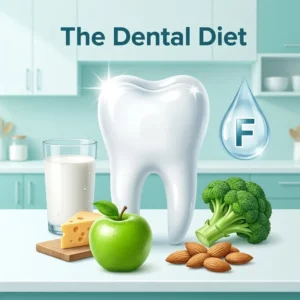
- Diet and Habits: Today’s teens often enjoy sugary snacks, sodas, energy drinks, and fast food. Frequent sugar and acid exposure puts teens at high risk for tooth decay and enamel erosion. Encourage healthier choices like water instead of soda and snacks like fruits or cheese instead of candy. Even simple swaps can reduce cavities. If your teen does have a sweet drink, have them use a straw and rinse with water after – small habits like these go a long way in protecting enamel.
- Busy Schedules: School, sports, homework, social life – teens are busy! Late nights or early mornings can lead to skipping brushing or flossing. Emphasize a consistent routine: brush twice a day for two full minutes and floss every night. One idea is to tie oral care to existing routines (for example, brushing right after breakfast and before bed). There are even smartphone apps or timers that make brushing fun and keep teens on track. Consistency is key to preventing plaque buildup and gum issues.
- Hormonal Changes: Teenage hormones can affect the gums, making them more prone to inflammation (puberty gingivitis). Your teen might notice bleeding gums when brushing if plaque isn’t removed thoroughly. Stress to your child that bleeding gums are not normal and are usually a sign to brush and floss more effectively. Using an antimicrobial mouthwash and a soft-bristled brush can also help keep teen gums healthy during these years.
- Orthodontic Needs: Many teens will need orthodontic treatment like braces or aligners to correct crooked teeth or bite issues. Crowded or misaligned teeth are harder to clean, leading to a higher chance of cavities and gum disease. Proper alignment isn’t just cosmetic – it improves oral health and function. In the next section, we’ll compare options like braces vs. clear aligners for teens. Understanding these options will help you and your teen make an informed choice if orthodontics are on the horizon.
- Self-Esteem and Social Pressures: The teenage years are a time when looks and confidence can significantly impact self-esteem. Teens may feel self-conscious about stained, crooked, or imperfect teeth. This can sometimes make them hesitate to smile or even to take care of their teeth if they feel it’s a lost cause. It’s important to gently remind your teen that a healthy smile will boost their confidence. Support them by addressing concerns – for instance, professional dental cleanings can remove stains, and orthodontic treatment can straighten their smile. Encourage open communication about any dental anxieties or embarrassment they might have. Southside Dental Care specializes in teens dental care services, meaning we have experience handling these sensitive conversations. We strive to make teens comfortable and motivated to improve their dental habits by showing them that a great smile is achievable.
Braces vs. Aligners: Which is Right for Your Teen?
If your teen does need help straightening their teeth, you’ll likely consider orthodontic options. Traditional metal braces have been around for decades, but modern dentistry also offers clear aligners (like Invisalign®) that are popular with image-conscious teens. Both options can effectively correct misaligned teeth – yet each has its pros and cons. Below is a handy comparison table to help you understand braces vs. clear aligners for teens:
| Factor | Traditional Braces | Clear Aligners |
| Appearance | Visible metal brackets and wires. Modern braces can be customized with colored bands for fun, but they are still noticeable in the smile. | Virtually invisible when worn. Clear plastic trays are hard to spot, which can boost a teen’s confidence in social settings. |
| Comfort | Initially can cause mild soreness or irritation to lips/cheeks. Brackets stay on teeth, so no chance to “take a break.” Adjustments every few weeks can tighten and ache temporarily. | Generally comfortable. Trays might cause slight pressure at first, but no metal to poke the mouth. However, aligners must be worn ~22 hours a day, which requires discipline. |
| Hygiene & Care | Requires diligent cleaning: teens must brush and floss around brackets and wires. Special tools (orthodontic flossers, Waterpiks) help. Risk of plaque buildup or white spots on enamel if oral hygiene is poor. | Aligners are removable, so brushing and flossing normally is easy. Teens must clean the trays and their teeth after eating before putting aligners back in. Less risk of food getting trapped, but only if the teen actually follows cleaning instructions. |
| Food Restrictions | Yes – sticky, hard, or chewy foods (gum, caramel, popcorn, nuts) should be avoided as they can break brackets or wires. Teens need to adjust their diet a bit. | No major restrictions on food itself since aligners are removed to eat. However, teen must remember to take them out before eating or drinking anything but water, and brush before re-inserting. Forgetting this can lead to staining or cavities. |
| Responsibility | Braces are fixed in place, so compliance is easier in that you can’t misplace them. However, teens still need to wear elastics (rubber bands) or other appliances as instructed. Missed orthodontic appointments or broken brackets can prolong treatment. | High responsibility – aligners can be lost or not worn enough. Teens must be responsible to wear them ~22 hours daily. If your teen tends to lose things or is forgetful, braces might be a safer bet. Parents may need to supervise usage. |
| Treatment Time | Typically 18–24 months, varying by case complexity. Braces work continuously since they’re always on. Compliance with appointments and care affects timing. | Typically 6–18 months, depending on case complexity and how diligently the teen wears the trays. If aligners aren’t worn as directed, treatment can take longer (or may not succeed). |
| Follow-up & Aftercare | Regular orthodontic visits every 4–6 weeks for adjustments. After braces are removed, a retainer is required to maintain results (often worn at night indefinitely). | Orthodontic check-ins every 4–6 weeks to get new sets of trays and ensure progress. After finishing aligners, a retainer is also required. Compliance with retainer use is crucial regardless of treatment type. |
| Cost & Insurance | Cost varies; traditional braces are generally slightly more affordable than clear aligners. Many insurance plans cover part of adolescent orthodontics. | Aligners can be a bit more expensive than braces. Costs have been coming down, and they might be comparable depending on the case. Insurance often covers a portion similarly to braces if treatment is orthodontic in nature. |

before orthodontic treatment with crowded, crooked teeth, and after treatment with beautifully straight teeth. This visual transformation illustrates how effective braces/aligners can dramatically improve a teen’s smile and confidence.
As you can see, both braces and clear aligners have advantages. Braces are reliable and don’t depend on teen compliance (since they’re glued on!), whereas aligners are discreet and convenient for hygiene but require maturity and responsibility. Every teen is different. Some might love the idea of nearly invisible aligners; others might do better with traditional braces that don’t tempt them to remove.
So how do you decide which is right for your child? It helps to consider your teen’s personality, lifestyle, and the specific dental issues being corrected. For instance:
- Does your teen feel extremely self-conscious about their looks? Clear aligners might make them more comfortable socially.
- Is your teen likely to forget or lose things? Braces might be the safer choice to ensure the treatment stays on track.
- What does the orthodontist recommend for their case? Severe or complex misalignments sometimes move faster with braces, though newer aligner technology is closing that gap.
Is Orthodontic Treatment Right for Your Teen?
Not every teen will need orthodontic correction, but many do. It’s often clear when crooked teeth, crowding, or bite problems are present – these are signs your teen might benefit from braces or aligners. The American Association of Orthodontists recommends kids get an initial evaluation by age 7, but many children won’t begin treatment until around age 11-15 when most adult teeth are in. If you’re unsure whether your teenager needs orthodontic care, here are some clues:
- Crowded or Crooked Teeth: Overlapping teeth or significant crookedness can lead to difficulty cleaning, which means higher cavity risk and gum issues. It also may bother your teen aesthetically. This is a strong indicator to seek an orthodontic opinion.
- Gaps or Spacing: Sometimes spacing issues (a gap-toothed smile) can make teens self-conscious or affect the way teeth bite together. Minor gaps might be closed with simple treatments, while larger ones may need braces/aligners.
- Bite Problems: If your teen’s upper and lower teeth don’t meet properly (overbite, underbite, crossbite), it can cause chewing difficulties, jaw pain, or uneven wear on teeth. Orthodontic treatment can correct bite alignment, preventing long-term issues.
- Difficulty Chewing or Speaking: Teeth alignment can impact chewing efficiency and even speech (certain misalignments cause lisps or other speech impediments). If you notice these issues, an evaluation is wise.
- Teeth Coming In at Odd Angles: As teens get their last adult teeth (and sometimes wisdom teeth in later teens), you might see teeth erupting in strange positions. Early intervention can guide teeth into better alignment and make any future braces easier.
If you notice any of these signs – or if your family dentist has pointed them out – it’s probably time for a consultation with an orthodontist. At Southside Dental Care, we make this process simple and informative. We offer free initial orthodontic consult where our specialists assess whether braces or aligners are needed. Is orthodontic treatment right for your teen? We’ll give you an honest expert opinion. Our team will also walk you through the best options (traditional braces, clear braces, or clear aligners) tailored to your teen’s needs. The goal is to ensure that if your teen does undergo treatment, it’s the right choice at the right time – resulting in a healthy bite and a confident smile.
Step-by-Step: Helping Your Teen Build Good Dental Habits
Even if orthodontics aren’t needed, every teen should develop strong daily dental habits. As a parent, your guidance is crucial in this process. Teens may crave independence, but they still benefit from gentle coaching and structure when it comes to health routines. Here’s a step-by-step guide to help your teenager care for their teeth (without the eye-rolls):
- Start a Friendly Conversation: Begin by talking with your teen about why oral care matters. Instead of lecturing, have an open discussion. For example, ask if there’s anything they find difficult about brushing or if they have concerns like tooth sensitivity or bleeding gums. Listen to their perspective. Share relatable reasons to care for their teeth – such as wanting fresh breath for friends, a nice smile for selfies, or avoiding painful cavities. When teens understand the benefits (beyond “because I said so!”), they’re more likely to get on board.
- Equip Them with the Right Tools: Make oral care convenient and even fun. Provide a quality soft-bristle toothbrush or consider an electric toothbrush – many teens love tech, and an electric brush can be more engaging (some even connect to apps or play music for two minutes). Get a fluoride toothpaste in a flavor they like (there are teen-friendly flavors aside from “mint,” like mild fruit or vanilla). For flossing, if regular floss is a hassle, try floss picks or a water flosser. Having the right tools tailored to your teen’s preferences can remove obstacles that prevent good habits. Put together a dental care kit for them and show them how to use each item effectively.
- Set a Routine (and Lead by Example): Teen schedules can be chaotic, but try to anchor a morning and bedtime oral hygiene routine. You can even make it a family routine – for instance, brushing teeth together at night, so your teen sees that even parents prioritize it. Consistency helps habits stick. Encourage brushing at least two times a day and flossing once. If your teen tends to forget, try sticky note reminders on the bathroom mirror or a phone alarm labeled “Brush now!” Eventually, it will become second nature.
- Address Their Challenges: Many teens have specific dental care challenges. For example, if your teen wears braces, they might struggle with the extra cleaning steps – you can help by getting orthodontic cleaning aids (tiny interdental brushes for between brackets, a water flosser, etc.) and reminding them gently after meals. If your teen is sleepy or rushed in the morning, consider adjusting their routine (maybe brush right after dinner if they often crash on the couch later, or keep a travel toothbrush in their backpack for after lunch at school). Show empathy: acknowledge that it’s a bit of extra work, but reinforce how it prevents much more unpleasant issues like cavities or gum treatments.
- Reward and Reinforce: Positive reinforcement can work wonders. While teens are older than small kids who might use sticker charts, everyone appreciates recognition. Praise your teen when you notice they’ve been consistent or when a dental checkup goes well with no cavities. You could also periodically reward good habits – perhaps treat them to something they enjoy (a new book, a trip to the movies, or even a whitening session once they’ve shown they can maintain excellent brushing). Avoid using sugary treats as rewards for obvious reasons, but a little heartfelt “I’m proud of how you’re taking care of your teeth” can motivate a teen more than we might think.
- Stay Involved with Dental Appointments: Ensure your teen continues with regular dental checkups (at least twice a year). Sometimes teens feel “too old” for parents to manage their appointments, but they still need that support. Attend the appointment with them and use it as an opportunity for them to hear advice from the dentist or hygienist – sometimes information sinks in better from a professional. Our team at Southside Dental Care makes a point to talk directly to teens in an approachable, non-judgmental way. We’ll reinforce your messages about brushing and flossing, and we can demonstrate techniques or tools that make it easier. These visits also allow us to catch any problems early (like small cavities, early signs of gum irritation, or wisdom teeth issues) and address them before they become bigger pains.
By following these steps, you create a supportive environment where caring for teeth becomes a normal part of your teen’s daily life. Over time, these hygiene habits will stick, and your teen will carry them into adulthood – which is the ultimate goal.
Safety & Aftercare: Keeping Teen Smiles Safe and Sound
Dental care for teens isn’t just about daily brushing – it’s also about protecting their teeth from injury and caring for them after any treatments. Teenagers are active and sometimes accident-prone, so a few safety measures can prevent dental emergencies. Additionally, if your teen undergoes any dental procedures (from a filling to getting braces), knowing how to take care of them afterward will ensure smooth healing and long-term success. Below is a handy checklist covering both preventive safety and aftercare tips for common teen dental scenarios:
- Protective Gear for Sports: If your teen plays contact sports (football, basketball, hockey, martial arts, etc.) or even activities like skateboarding, wearing a mouthguard is a must. A custom-fitted mouthguard from the dentist offers the best protection against broken teeth or jaw injuries. Make sure they always pack it in their sports bag – one rough tackle or accidental elbow could save a tooth if a mouthguard is in place.
- Avoid Risky Oral Habits: Talk to your teen about habits that can harm their teeth. Biting down on hard objects (pens, ice cubes), using teeth as tools to open packages, or chewing fingernails can cause chips or cracks. Also, discourage tongue or lip piercings – these can chip teeth and invite infection. Teens might not realize the risks, so a gentle conversation can help them make safer choices.
- Wisdom Teeth Watch: Late teen years (17-19) is when wisdom teeth often start to come in. These molars can cause crowding or pain if they don’t have room. Keep an eye out for any complaints of jaw pain at the back of the mouth or gum swelling. Regular dental checkups will include X-rays to monitor wisdom teeth. If removal is needed, your dentist will guide you. Wisdom tooth extraction is common and usually straightforward for teens – and we’ll provide full aftercare instructions to ensure quick healing if it becomes necessary.
- Orthodontic Aftercare: If your teen gets braces, the first week or after each adjustment their mouth may be sore. Have soft foods on hand (soups, smoothies, mashed potatoes) and use orthodontic wax to cover any pokey wires or brackets that irritate the inner cheeks. Over-the-counter pain relievers can be used if needed for a day or two. For teens with clear aligners, after switching to a new tray, mild tightness or pressure is normal; chewing on the provided bite wafers and sticking to the 22-hour wear schedule helps the discomfort pass quickly. Always encourage your teen to communicate if something feels very painful or a wire breaks – prompt fixes prevent delays in treatment.
- Dental Procedure Aftercare: Teens might need an occasional filling, extraction, or deep cleaning. After such procedures, following the dentist’s aftercare guidelines is crucial. For example, after a filling or consult for wisdom teeth, the numbness can last a couple of hours – remind your teen not to chew on their cheek or tongue. After an extraction, they should avoid using straws, vigorous rinsing, or heavy exercise for at least 24 hours to protect the blood clot and allow healing. Our team provides written instructions and is just a phone call away if you or your teen have questions during recovery. Don’t hesitate to reach out – we’re here to help your teen have a safe, comfortable healing process.
- Emergency Plan: It’s wise to have a plan if a dental emergency occurs (like a knocked-out tooth or a broken appliance). Keep our office number saved in your phone and ensure your teen knows whom to contact. In case of a knocked-out permanent tooth, time is critical – gently rinse it and try to place it back, or keep it in milk, and see a dentist within 30 minutes if possible. Having discussed these emergency steps calmly beforehand means your teen will be more likely to handle a crisis smartly if it ever happens.
Teen Dental Care Checklist: (Ready-to-use checklist for daily care and aftercare)
– [ ] Brush twice a day (after breakfast and before bed) with a fluoride toothpaste. Brush for a full 2 minutes each time, reaching all sides of every tooth.
– [ ] Floss once a day to remove plaque and food between teeth. (Tip: Use floss picks or a water flosser if traditional floss is challenging, especially if braces are present.)
– [ ] Rinse with an antimicrobial mouthwash once a day, especially if your teen is prone to gingivitis or has braces (which can trap bacteria). This helps kill germs and keep breath fresh.
– [ ] Limit sugary and acidic drinks like soda, energy drinks, and sports drinks. If consumed, use a straw and rinse with water afterward. Choose water or milk whenever possible for healthier teeth.
– [ ] Wear a mouthguard during sports and active hobbies to prevent dental injuries. (No one wants a chipped tooth or busted lip at the big game!)
– [ ] Keep up with dental appointments every 6 months. Regular cleanings and exams will catch problems early and keep your teen’s smile on track. Mark the next visit on the family calendar or phone reminder.
– [ ] If your teen has braces: follow all braces care instructions. Brush after meals, use ortho flossers, avoid sticky/hard foods, and wear any rubber bands or appliances as directed. If an aligner or retainer is in use, clean it daily and store it in its case when not in the mouth.
– [ ] Communicate: Encourage your teen to tell you or the dentist about any pain, sensitivity, or concerns (like bleeding gums, toothache, or if they’re unhappy about their smile). Prompt attention can prevent small issues from becoming big ones.
By using the checklist above, you and your teen can ensure all bases are covered – from daily brushing to preventive care and handling special situations.
The Southside Advantage: Why Choose Southside Dental Care for Your Teen
Choosing a dental home for your family is a big decision. When it comes to teenagers, you want a practice that not only has clinical expertise, but also knows how to connect with and comfort young adults. Here’s what sets Southside Dental Care apart and why so many parents trust us with their teens’ smiles:
- Experienced in Teens’ Dentistry: Our team includes dentists and hygienists who specialize in pediatric and adolescent dentistry. We’re well-versed in the challenges teen patients face – whether it’s managing anxiety, dealing with braces, or educating on hygiene when kids are pushing for independence. We take an educational, non-judgmental approach. From routine cleanings to specialized braces/aligners treatments, we provide comprehensive care under one roof. This means your teen can receive both regular dental care and any necessary orthodontic care seamlessly with a team who knows their history.
- Comfort and Empathy: Dental anxiety can affect anyone, especially teens who may have had a past bad experience or just fear the unknown. Southside Dental Care prides itself on a comforting, patient-centric atmosphere. Our staff is friendly and takes the time to explain procedures in plain language. For nervous patients, we offer amenities like gentle sedation or distraction techniques (such as listening to music or watching a show during treatment) to help them relax. We never rush and always listen to our patients’ concerns. This empathetic approach helps teens feel respected and more in control of their dental care.
- Modern Technology: Teens are part of the tech generation, and they appreciate when we use modern tools to improve their experience. Our clinic is equipped with state-of-the-art dental technology – from low-radiation digital X-rays (quick and easy images of teeth and jaws) to intraoral cameras that let teens see what we see on a screen (it’s often eye-opening for them to view plaque or a cavity, motivating better habits!). For orthodontics, we use advanced scanners to take 3D images of teeth (no more goopy impressions), and we can even show simulations of how teeth will move with treatment. Using the latest technology means more accurate diagnoses, less invasive treatments, and often shorter appointment times – things both teens and parents love.
- Customized Treatment Plans: No two teens are the same. We firmly believe dental care should be tailored to the individual. When you bring your teenager in, we’ll create a customized plan that addresses their specific needs and goals. If your teen is cavity-prone, we might recommend supplemental fluoride treatments or sealants (thin protective coatings on the back teeth) to fortify their enamel. If your teen is interested in improving their smile’s appearance, we can discuss safe whitening options once appropriate, or cosmetic contouring for minor shape issues. And of course, if braces or aligners are needed, we’ll guide you through the best option for your teen’s lifestyle (refer back to our comparison on braces vs aligners). The Southside advantage is that we look at the whole picture – health, function, and aesthetics – to ensure your teen’s smile is healthy and beautiful for the long run.
- Family-Friendly Scheduling & Support: We know life with teens is busy. That’s why our office offers flexible scheduling, including after-school appointment slots and efficient visits that respect your time. Our friendly front desk team will help coordinate so that dental care can fit into your family’s routine with minimal stress. Additionally, we empower parents (and teens) with knowledge. You’ll leave our office with clear instructions and tips (many of which we’ve shared in this guide) so there’s continuity of care at home. And if questions or issues come up, you can always call us – we consider ourselves partners in your teen’s health journey.
In short, Southside Dental Care combines expertise, empathy, and the latest innovations to give your teen the best dental experience possible. We treat our teen patients as if they were our own kids – with gentle care and genuine concern for their well-being. Our mission is not only to fix teeth, but also to equip young patients with the confidence and habits that ensure a lifetime of healthy smiles.
Conclusion
Helping your teenager care for their teeth might seem challenging at times, but with the right guidance and support, it can become a positive journey for both of you. By understanding the unique dental issues teens face – and using the practical tips and strategies outlined in this guide – you can set your teen up for success. Remember that consistency and communication are your allies: encourage good hygiene habits, address issues like braces or diet together, and lean on your dental care team for help.
At Southside Dental Care, we are here to partner with you in keeping your teen’s smile bright, healthy, and confident. Whether your teen needs a routine checkup, some braces advice, or treatment for a specific issue, we’ve got you covered with compassionate, expert care. We love seeing our teenage patients grow into young adults with beautiful smiles and strong oral health knowledge. It all starts with taking that first step – whether it’s scheduling a dental consult or simply having an open talk with your teen about their oral health.
In the end, one of the greatest gifts you can give your teenager is the foundation for a lifetime of healthy teeth. With your support and our expertise, that’s a goal well within reach. Here’s to helping your teen face the world every day with a big, confident grin!
Frequently Asked Questions (FAQ)
Q1: How often should my teenager visit the dentist?
A: Teens should see the dentist every six months for a routine checkup and cleaning, just like adults. If your teen has ongoing issues (like braces adjustments or frequent cavities), the dentist might recommend more frequent visits. Regular visits are crucial during adolescence to monitor tooth development (including wisdom teeth) and to catch any problems early. These appointments also reinforce good habits and allow your teen to ask any questions about their dental health.
Q2: What if my teen hates brushing or simply refuses to floss?
A: It’s not uncommon for teens to slack on brushing and flossing. The key is to find out why and address that issue. Is it that they forget, find it tedious, or maybe experience discomfort like bleeding gums? Try to make it easier or more relevant for them: for example, get an electric toothbrush (which can be more fun and effective), or floss picks if they hate string floss. Educate them on the real consequences of not brushing – perhaps show pictures of cavities or bad breath scenarios which can be motivating for image-conscious teens. Keep the tone supportive, not scolding. Sometimes involving a dentist or hygienist to demonstrate proper techniques or share tips can help too. Ultimately, emphasize that brushing and flossing are non-negotiable adult habits – and the sooner they master them, the less dental trouble they’ll have later. Patience and positive reinforcement are important; celebrate small improvements to encourage more.
Q3: Are there any specific dental products recommended for teenagers?
A: Generally, teens can use the same oral care products as adults, but there are a few teen-friendly recommendations: – Fluoride Toothpaste: Choose a toothpaste with fluoride (1350–1500 ppm) to strengthen enamel. If your teen isn’t a fan of strong mint, there are milder flavors available that still have fluoride.
– Mouthwash: An alcohol-free antimicrobial mouthwash can be helpful, especially if your teen has braces or struggles with gum inflammation. It’s a quick extra step to reduce bacteria and freshen breath (which teens appreciate!).
– Orthodontic Accessories: If your teen has braces, orthodontic wax is a must to prevent cheek irritation. Orthodontic threaders or a water flosser can make cleaning around braces easier. For teens with aligners, special cleaning crystals or even just brushing the aligners daily helps keep them clear and odor-free.
– Sports Mouthguard: For active teens, a custom-fitted mouthguard from the dentist provides far better protection than over-the-counter boil-and-bite types. It’s a worthwhile investment to protect those teeth during sports.
– Sugar-Free Gum: Encourage sugar-free gum (with xylitol) if your teen likes chewing gum. It can actually help stimulate saliva and prevent cavities after meals or snacks, and it’s a teen-approved substitute for candy.
Each teen might have different needs, so during your next visit to Southside Dental Care, ask us for product recommendations tailored to your child. We’re happy to suggest specific brands or tools, from the best electric toothbrush for teens to the right type of floss, to make teen dental care as easy and effective as possible.