
Summer brings fun and sunshine – along with some unique dental challenges. Hot weather and outdoor activities can lead to dehydration and dry mouth, which reduces protective saliva and increases cavity risk. Cold treats and beverages can trigger tooth sensitivity if enamel is weakened. Sugary and acidic summer favorites (sodas, sports drinks, lemonade, fruit juices) feed cavity-causing bacteria and erode enamel. To keep your Petersburg smile healthy this summer, focus on hydration, choose tooth-friendly foods, and maintain good oral habits (brushing, flossing, checkups). Drinking plenty of water and chewing sugar-free gum stimulate saliva, which neutralizes acids and washes away food debris. Use fluoride toothpaste and consider desensitizing products if sensitivity is an issue. Pack a travel toothbrush/floss on vacations and encourage children to wear mouthguards for summer sports. See a dentist if pain or bleeding occurs. Southside Dental Cares in Petersburg, VA offers preventive care (like our Cavity Prevention and Gum Care services) to support your healthy summer smile.
Summer Oral Health Challenges
Summer activities and diet changes can impact teeth and gums:
- Dehydration & Dry Mouth: High temperatures and increased activity cause sweating and fluid loss. If you don’t drink enough water, saliva production drops. Saliva helps flush bacteria and neutralize acids; without it, plaque builds up quickly. Dry mouth (xerostomia) can increase cavities and tooth sensitivity. Stay ahead of this by sipping water frequently. According to the ADA, “keeping a water bottle close by to sip water throughout the day” helps prevent dry mouth. Avoid excessive caffeine or alcohol, which can further dehydrate and dry out oral tissues.
- Sugary & Acidic Summer Treats: Summer means lemonade stands, ice cream, BBQs and fruity cocktails. Many of these contain high sugar or acid. Bacteria feed on sugar, producing enamel-weakening acids. For example, sports drinks and sodas are low pH (often <3.0) and high in sugar, making them a double threat. Citrus and fruit juices also contain acid. The Colgate Professional resource notes that many sports drinks “have low pH… they can demineralize tooth structure, also leaving it vulnerable to acid erosion”. Indeed, drinking soda or juice constantly can cause irreversible enamel loss (dental erosion) and expose sensitive dentin. Limit sipping on these drinks and always follow with water. Using a straw can reduce contact with teeth. Rinse or brush 30–60 minutes after acidic foods (to allow saliva to neutralize) to protect enamel.
- Ice and Cold Sensitivity: Cold foods and drinks (ice cream, smoothies, iced tea) can trigger pain if enamel is thin or gums have receded. Chewing ice is especially dangerous – it can crack teeth or wear enamel. Even “cold” stored foods like ice cubes damage teeth if bitten. Instead of cubed ice, use crushed ice in drinks (softer and less damaging). If you experience sharp pain to cold, it could be a cavity, a crack, or exposed root (recession). In many cases, switching to a sensitive-toothpaste can help by desensitizing nerves. See “Managing Cold Sensitivity” below for steps.
- Increased Sugary Beverages: Compared to cooler seasons, summer often brings more juice, sports drinks, and sodas (e.g., at sporting events). A 32-oz sports drink can contain 56–76 grams of sugar (about 14–19 teaspoons), and the same volume of soda has over 104 grams (26–31 teaspoons). Even diet versions are acidic. Wherever possible, swap sugary beverages for plain or infused water.
- Sports and Accidents: Petersburg kids love summer sports. Wearing a properly fitted mouthguard for basketball, skateboarding, water sports and other activities prevents many dental injuries. Summer outings can also disrupt routines, leading to skipped brushing/flossing. Keep small dental kits on hand (toothbrush, mini toothpaste, floss) when traveling or camping.
Image: A colorful veggie platter at a summer gathering. Crunchy fruits and vegetables (e.g., apples, carrots, celery) act like natural toothbrushes, scrubbing away plaque and stimulating saliva (click for a tooth-friendly summer snack idea).
Hydration’s Impact on Oral Health
Staying hydrated in Petersburg’s heat is critical for oral health. Saliva (99% water) is the mouth’s natural defense – it cleanses and remineralizes teeth. Key points:
- Saliva is Protective: According to ADA research, saliva “helps wash bacteria and food particles off your teeth,” “neutralizes harmful acids,” and even “repairs and demineralizes weak tooth enamel.”. Without sufficient saliva, decay and gum issues escalate.
- Hydrate to Maintain Saliva: Colgate’s dental experts advise, “Hydrate: Keep a water bottle close by to sip water throughout the day” as a first line of defense against dry mouth. Make it a habit to drink water before you feel parched. Young children in Petersburg should sip water at recess, after sports, and throughout beach or pool days. Carry a refillable bottle during hikes or bike rides.
- Best Drink Choices: The simplest, most tooth-friendly hydrator is plain water – preferably fluoridated tap water. It has zero sugar and a neutral pH, so it won’t feed bacteria or erode enamel. Compare drink options (table below):
| Drink Type | Approx. Sugar per 12 oz | Typical pH (Acidity) | Dental Risk |
| Water | 0 g | ~6–7 (neutral) | Minimal. Hydrates saliva, no sugar or acid. |
| Sports Drinks | ~20 g | ~3.0 (very acidic) | High risk. Sugary & acidic; causes cavities & erosion. |
| Soda (Cola) | 39 g | ~2.37 (extremely acidic) | Very high risk. Erodes enamel and causes decay. |
| Fruit Juice | ~22–25 g | ~3.8 (acidic) | High risk. Sugars and acids erode enamel over time. |
As noted, sodas and sweetened drinks “eat away at your teeth” and “cause dry mouth,” whereas water is “one of the best things you can sip”. Try these hydration strategies: – Flavor water naturally (infuse with cucumber, berries, melon). For a refreshing twist, add sliced cucumber or lemon to cool water. Infused water looks beautiful and encourages sipping.
– Consider coconut water (natural electrolytes, lower sugar than sports drinks) or diluted 100% juice (limit portions, rinse mouth afterward).
– If intense exercise causes heavy sweating, a low-sugar electrolyte drink or homemade oral rehydration solution (a pinch of salt and sugar in water) can help. But avoid the typical sports drinks for everyday hydration; as one pediatric expert says, for most activities “Water should be the first choice for rehydration”.
– Avoid energy drinks and alcohol, both of which can dry the mouth and contain acids.
Image: A glass of chilled cucumber-infused water with fresh cucumbers. Water (plain or infused) is super-hydrating and tooth-friendly, unlike sugary or acidic juices.
Keeping Your Summer Smile Healthy
Good daily habits are just as important in summer. Here’s a recommended routine for a typical summer day in Petersburg:
| Time of Day | Oral Care Actions |
| Morning (7–9am) | Drink a glass of water upon waking to rehydrate. Brush gently with fluoride toothpaste and floss before breakfast. (Use a soft-bristled brush if teeth feel sensitive.) If swimming with a mask or snorkel, rinse your mouth after (swim water can contain chlorine or salt). |
| After Lunch (12–2pm) | Rinse or brush after meals when possible. Chew sugar-free gum with xylitol for 20 minutes to boost saliva and clear sugars. Drink water, especially if eating picnic snacks or sweet treats. Avoid grazing on sweets; if dessert is ice cream or popsicles, limit portions. |
| Afternoon Snack | After sports or outdoor play, rehydrate with water or milk. A handful of nuts or cheese provides calcium and stimulates saliva. Avoid sipping soda or sports drinks all day. |
| Evening (6–8pm) | Enjoy dinner, then brush again before bedtime. Floss to remove debris from the day. Use an alcohol-free, fluoride mouthwash if desired (especially if at risk of cavities). |
| Before Sleep (9–10pm) | Drink a small glass of water if thirsty (but don’t fall asleep drinking sugary drinks). If you breathe through your mouth at night, consider a room humidifier to reduce overnight dry mouth. In very hot weather, check on elderly family members who may need extra hydration for their oral comfort. |
In addition: wear a mouthguard for summer sports. Use lip balm with SPF to protect lips from sunburn (burned lips can crack and invite infection).
Quick Summer Oral Health Tips
- Stay Hydrated: Carry a reusable water bottle; sip often.
- Limit Sugary Drinks: Opt for water or milk over soda, juice, or sports drinks. Rinse with water after sweet or acidic drinks.
- Mind Frozen Treats: Enjoy ice cream and smoothies in moderation. Skip crunchy ice cubes.
- Chew Sugar-Free Gum: Stimulates saliva to clean teeth after meals (look for the ADA Seal).
- Protect Teeth During Play: Wear helmets and mouthguards in biking, skateboarding, or contact sports.
- Maintain Routine: Don’t skip brushing/flossing during vacations. Keep travel dental kit handy.
- Regular Check-Ups: Schedule a summer dental visit; professional cleanings help prevent cavities and gum disease. (Southside Dental Cares offers comprehensive Cavity Prevention and Gum Care)
Preventing Cavities and Gum Disease
Regardless of season, good habits are key. Cavities form “when bacteria feed on sugars, producing acids that weaken enamel,” especially with frequent snacking or inconsistent hygiene. Southside Dental emphasizes prevention: brush twice daily with fluoride toothpaste and floss daily. Professional cleanings and sealants help too. For example, we recommend regular Cavity Prevention visits (fluoride treatments, dietary counseling) to fortify enamel against decay.
Gum health underpins a summer smile. Bleeding or tender gums should not be ignored. Inflamed gums are the leading cause of adult tooth loss, and periodontal disease has been linked to overall health issues (e.g., heart disease, diabetes). Southside’s Gum Care services (cleanings, scaling, gum evaluation) can catch problems early. In hot weather, watch for swollen gums or mouth sores that don’t heal; drink extra water to keep gum tissues healthy.
Products and Strategies for Summer Smiles
Choosing the right products can boost protection:
- Toothpaste: Use a fluoride toothpaste; fluoride re-hardens enamel. For sensitivity, look for brands with potassium nitrate or stannous fluoride (e.g., Colgate Sensitive, Sensodyne, or prescription-strength gels) to ease pain over time. These formulas help block pain signals from cold exposure. Pros: Low cost, easy to use daily. Cons: May take 2+ weeks to see relief.
- Mouthwash: Alcohol-free rinses (fluoride rinses like ACT or Listerine Zero) are ideal in summer. Alcohol-free means no drying of mouth. Fluoride rinses add protection. Pros: Fights bacteria and strengthens enamel between brushing. Cons: Alcohol-free formulas can be a bit less potent in killing germs, so brush/floss still needed.
- Hydration Aids: A portable straw for water bottles can make sipping fun for kids. Electrolyte mixes (e.g. Pedialyte, or low-sugar rehydration drinks) can be useful if someone is ill or exercising vigorously, but these still contain sugar. Pros: Replenishes electrolytes. Cons: Often high sugar; best reserved for illness or heavy exercise, not casual daily use.
- Chewable Supplements: Xylitol-containing mints or gums (Trident, Spry) can help increase saliva. Pros: Cleans teeth, freshens breath, easy for kids. Cons: Sugar alcohols can cause digestive upset if overused.
- Floss Picks or Water Flossers: Handy for on-the-go cleaning after meals, especially for kids at camps. Pros: Quick interdental cleaning. Cons: Not a substitute for brushing; picks are single-use, water flossers need cleaning.
Always read product labels. ADA Approved products carry the ADA Seal. Balanced diet (dairy, lean proteins, crunchy produce) provides nutrients (calcium, phosphorus) for teeth. As MouthHealthy (ADA) notes, cheese, yogurt, and nuts help “strengthen and protect enamel”. And don’t underestimate an apple or carrot – they “scrub off build-up and stimulate saliva”, working like a “natural toothbrush” after a BBQ picnic.
Managing Cold Sensitivity
If you notice a sharp pain from cold drinks or air, use a desensitizing toothpaste and a soft brush. Also check for any cracks or cavities that might need fixing. Follow these decision steps:
In essence: Home care first – switch to a sensitive toothpaste and brush gently (proceed as in and with fluoride care). If pain persists, call Southside Dental for an exam (we’re experienced with sensitivity and can apply in-office fluoride or other treatments).
When to See a Dentist
Even with perfect home care, summer dental issues can arise. You should call a dentist if:
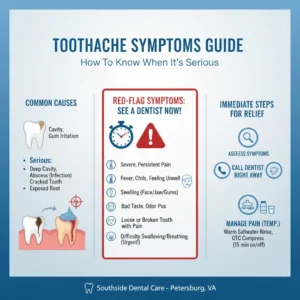
- Pain or swelling: Severe or lasting toothache, a chipped or knocked-out tooth, or swollen gums (sign of infection) is an emergency. Southside Dental Cares offers prompt care for summer dental emergencies.
- Bleeding gums: Persistent bleeding or gum recession could indicate periodontal disease. Early treatment (deep cleaning/scaling) can often reverse early gum disease.
- Dry mouth symptoms: If you notice a continually dry tongue or lips despite drinking water, let us know. We can suggest treatments or check for causes.
- Routine check-up: If it’s been >6 months since your last cleaning, schedule a summer check-up. A professional cleaning removes summer plaque build-up and catches problems early.
Southside Dental Cares in Petersburg, VA is here to help. We offer comprehensive preventive and restorative services for all ages – from fluoride treatments and sealants to restorative fillings and implant crowns. Our team can tailor solutions (e.g., prescription fluoride toothpaste for high cavity risk) to protect your teeth. Call us at (804) 732-8557 or visit our Contact page to book a summer checkup or emergency visit.
Water vs. Sugary Drinks: Choosing Summer Refreshments Wisely
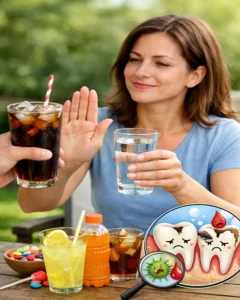
Even the American Dental Association warns that many of our favorite drinks have a low pH (are highly acidic) and can contribute significantly to tooth enamel erosion. The table below compares some common summer beverages and their impact on your oral health:
| Beverage | Impact on Teeth | Summer Tip |
| Water | No sugar, no acid – helps neutralize mouth pH and washes away food particles. Increases saliva flow and prevents dry mouth. | Best choice: Stay hydrated with water all day. It keeps your mouth clean and is overall healthiest for your smile. |
| Sports Drinks | Often contain high sugar and citric acid. Frequent sipping can contribute to enamel erosion and cavities over time. (Colored sports drinks may also stain teeth.) | Limit to when needed for intense exercise. Choose sugar-free versions if available, and drink water afterward to rinse acids. |
| Soda & Sweet Tea | Loaded with sugar and very acidic (especially colas). Soft drinks and sweet iced teas are major contributors to tooth decay and enamel wear. Carbonation can further lower pH. | Avoid continuous sipping. If you indulge, use a straw to minimize contact with teeth and rinse with water after. Consider switching to sparkling water with a splash of fruit instead. |
| Fruit Juices & Lemonade | Often acidic (citrus) and high in natural or added sugars. Can erode enamel and feed bacteria that cause cavities. Dark juices may also cause staining. | Dilute juices with water or ice. Drink them in one sitting (rather than sipping all day) and preferably with a meal. Rinse afterward. Fresh whole fruit is a better choice whenever possible. |
As you can see, water comes out on top every time. It keeps you hydrated and protects your teeth. By contrast, sugary and acidic drinks should be enjoyed only in moderation. When you do have a sweet beverage, try to drink it with a meal (food helps buffer acids) and use the strategies above to reduce damage, like straws and rinsing. Your summer smile will stay brighter if you make water your go-to drink!
Your Step-by-Step Summer Smile Care Plan
Ready to put all these tips into practice? Here’s a simple step-by-step plan to keep your teeth and gums healthy through the summer months. This plan addresses everything from preventive dental visits to daily habits and what to do in case of an emergency.
- Schedule a Summer Dental Checkup. There’s no better way to start the season than with a clean bill of oral health. Seeing your dentist before or early in the summer ensures that any issues (like small cavities or a grumpy wisdom tooth) are addressed before they flare up on vacation. In fact, summer is a great time to get your routine cleaning or any needed dental work done, before the busy fall schedule kicks in. At Southside Dental Care, scheduling a checkup is easy – and our flexible hours can accommodate your summer plans. A quick visit now can save you a lot of trouble later.
- Stick to Your Daily Oral Hygiene Routine. Travel and schedule changes are no excuse to neglect brushing and flossing. Make it a rule to brush twice a day (morning and night) with fluoride toothpaste, and floss once a day without fail. If you’re home, keep up your normal routine; if you’re on the go, use that travel kit you packed. Consistency is key – regular brushing and flossing prevent the buildup of plaque that leads to cavities and gum irritation. For extra protection, you can rinse at night with an antiseptic mouthwash to cut down on bacteria. And remember to change out your toothbrush after about 3 months (or after you’ve been sick); a fresh brush will clean more effectively. By maintaining good oral hygiene habits even during summer fun, you’ll greatly reduce your risk of dental problems.
- Stay Hydrated – Water is Your Best Friend. We’ve said it before, but it bears repeating: drinking enough water is essential for oral health (and overall health) in the summer. Make a habit of carrying a water bottle wherever you go – whether you’re at the office, the pool, or an outdoor concert. Take sips frequently to keep your mouth moist. This keeps your saliva levels up, which in turn helps prevent tooth decay and bad breath. If you’re sweating a lot or spending time in the sun, up your water intake accordingly. As a bonus, drinking water can also help curb snacking by keeping you feeling fuller and refreshed. Tip: If plain water gets boring, infuse it with slices of cucumber, mint, or citrus for a tasty twist without added sugar. Staying well-hydrated is one of the simplest and most effective ways to protect your teeth in summer. Your whole body – and your smile – will benefit from it.
- Make Smart Food & Drink Choices. You don’t need to deprive yourself of summer goodies, but aim for balance and smart choices. Limit how often you consume very sugary or sticky treats. For example, instead of grazing on candy or soda throughout the day, enjoy a treat at mealtime when your mouth is already producing saliva (which helps neutralize acids). Choose healthier options when possible: crunchy fruits (apples, pears) and vegetables (carrots, celery) make great snacks that actually help clean your teeth as you chew. Dairy products like cheese and yogurt are other tooth-friendly choices – they’re low in sugar and rich in calcium. When you do have something sweet or acidic, take steps to lessen the impact. Have a glass of water alongside that lemonade or cola, and rinse your mouth afterward. Better yet, sip through a straw if you’re drinking soda or juice – this minimizes direct contact with your teeth and can reduce the risk of cavities and sensitivity. Another idea is to freeze sugar-free juice or yogurt into popsicles for a healthier icy treat. By being mindful of your diet and favoring tooth-friendly foods, you can indulge now and then and keep your smile safe.
- Protect Your Teeth During Summer Activities. Summer adventures can sometimes be rough on your teeth, so take preventive measures. If you’re playing sports (like football, basketball, soccer, or even skateboarding and biking), wear a mouthguard – especially for kids and teens. A custom-fitted mouthguard from your dentist offers the best protection, but even a store-bought one is far better than nothing. It only takes one unlucky fall or collision to chip a tooth. Similarly, use common sense: don’t chew on ice cubes or hard candies, no matter how refreshing it feels on a hot day. The extreme cold and hardness of ice can crack your enamel or existing fillings. (Crunching ice is a habit dentists often see cause surprise fractures!) Instead, let ice cubes melt in your drink or chew sugar-free gum if you need something to nibble. Also, be cautious about sudden temperature changes – like going from hot coffee to ice water – which can stress your teeth. If your teeth are sensitive, let hot drinks cool a bit and avoid biting directly into very frozen foods. And we mentioned it earlier, but it’s worth noting in your action plan: protect your lips with SPF balm during all outdoor activities. A sun-burnt lower lip is not only painful, but repeated burns can increase health risks. Keeping these protective habits in mind will ensure that summer fun doesn’t turn into a dental emergency.
- Be Prepared for Dental Emergencies. Hopefully your summer will be incident-free, but it’s best to be prepared just in case. First, stock a small dental first-aid kit in your bag or car when traveling. Include gauze (for bleeding), a small container with a lid, and pain relievers like ibuprofen. Know the contact number of your dentist (and save it in your phone) – if something happens, you can call for guidance. If you’re traveling far from home, research the location of an emergency dentist or clinic at your destination ahead of time. Common summer dental emergencies include knocked-out teeth, fractures, or sudden toothaches. If a tooth gets knocked out, gently rinse it (hold it by the crown, not the root) and place it in a cup of milk or saliva – then see a dentist within 30-60 minutes if possible for the best chance of reimplantation. For a severe toothache or broken tooth, rinse your mouth with warm water, use cold compresses for swelling, and seek dental care as soon as you can. Remember, never ignore significant tooth pain or injuries, hoping they’ll go away. Early treatment can save your tooth and prevent complications. When in doubt, call your dentist – even if it’s after hours, they often have emergency lines or voicemail instructions. By acting quickly and calmly, you can prevent a small crisis from ruining your summer. (And of course, Southside Dental Care is here to help our patients 24/7 in emergencies – we don’t want you toughing it out in pain!)
Summer Dental Care Checklist ✅
To recap, here’s a handy checklist to keep your smile safe and shining during the summer months. Use it as a quick-reference anytime you feel unsure about your dental care routine:
- Brush and floss daily: Brush at least 2× a day (with fluoride toothpaste) and floss 1× a day to remove plaque and food debris. Don’t let vacation mode stop your routine!
- Stay hydrated: Drink water throughout the day, every day. Aim for 8 glasses (or more if you’re very active or in extreme heat). Water helps prevent dry mouth and rinses away sugars.
- Use SPF on lips: Apply a lip balm with sunscreen whenever you’re outdoors, and reapply often. This protects against painful sunburn and long-term lip damage.
- Wear a mouthguard for sports: Playing basketball, football, or any contact sport? Pop in your mouthguard. It can save your teeth from cracks or getting knocked out. (Helmets and face shields are wise for activities like biking or skateboarding, too.)
- No ice chewing or hard candy: Avoid chewing on ice cubes, hard candies, popcorn kernels, or other hard objects that can crack teeth. If you need to crunch on something, choose sliced apples or carrot sticks instead.
- Rinse after swimming: After spending time in a chlorinated pool, give your mouth a quick rinse with plain water. This washes away chlorinated water and helps protect your enamel from any lingering pool chemicals.
- Don’t delay care: If you feel a persistent toothache, notice a crack, or have any dental concern, don’t wait. Call your dentist and get it checked. Prompt care can prevent minor issues from becoming major problems.
Following these steps will go a long way toward maintaining a healthy smile all summer. Prevention and consistency are your best allies in oral health!
Frequently Asked Questions
Q: Why is staying hydrated so important for my oral health in summer?
A: In the summer heat, you’re more likely to get dehydrated, which can lead to dry mouth. Without enough saliva, your mouth loses some of its natural defense against bacteria and acids. This can increase your risk of cavities, gum irritation, and bad breath. By drinking plenty of water, you keep saliva production up. Saliva washes away food particles and neutralizes harmful acids in your mouth. Essentially, staying hydrated helps protect your teeth throughout the day. Plus, water often contains fluoride (if from the tap), which further strengthens your enamel. So carry a water bottle and sip often – your teeth will thank you!
Q: I have a sweet tooth. How can I enjoy summer treats without harming my teeth?
A: You can absolutely still enjoy the occasional treat – just do it smartly. First, try to limit frequency of sugary snacks and drinks. It’s better to have a dessert with a meal and then give your mouth a break, rather than sipping or snacking on sugar all day long. When you do indulge, drink water along with it and afterward to rinse off sugars. You might also chew a sugar-free gum for a few minutes post-treat to stimulate saliva (nature’s cleanser). Opt for treats that are kinder to teeth: for example, choose chocolate (which melts away) over a sticky toffee that clings to teeth, or have a fruit popsicle instead of a super-sour candy. Enjoying sweets in moderation, and caring for your teeth soon after, will allow you to satisfy your cravings with less risk of cavities. And don’t forget to brush before bed especially on days you’ve had sugary foods!
Q: What should I do if I have a dental emergency while on vacation?
A: Dental emergencies can be scary, especially away from home, but staying calm and prepared will help. If you experience a severe toothache, lost filling, or crack while traveling, start by gently cleaning the area (rinse your mouth with warm water). For pain, over-the-counter pain relievers can help (follow the instructions and avoid placing aspirin directly on the gum, as that can cause a burn). If a tooth is knocked out, time is critical: hold it by the crown (the top part), rinse it if dirty, and if possible place it back in the socket or in a container of milk – then seek a dentist immediately. For any emergency, call a local dentist or emergency dental clinic as soon as you can. Many cities have 24/7 dental services. If you’re not sure who to call, you can phone our office and we may be able to direct you to appropriate care in the area. The key is not to wait – prompt treatment can often save a tooth or prevent an infection from worsening. Before you travel, it’s a good idea to research emergency dental contacts at your destination and ensure you have dental insurance info or payment method handy. And of course, getting a checkup before vacation can catch issues so they don’t turn into emergencies while you’re away. Safe travels, and remember we’re just a call away if you need help!
Sources: Authoritative dental resources (ADA/MouthHealthy, CDC/NIDCR, peer-reviewed dental research) and the Southside Dental Cares website. For personalized advice, contact Southside Dental Cares (Petersburg) at (804) 732-8557.