
Teens face unique dental challenges from cavities to braces. A solid daily routine of twice-daily brushing (2 minutes each) and once-daily interdental cleaning (floss or alternatives) is essential. With or without braces, a fluoride toothpaste and thorough cleaning remove plaque and prevent decay. Eating a balanced diet low in sugar and wearing a fitted mouthguard during sports can protect smiles. Braces require extra care: avoid hard/sticky foods and brush around brackets carefully. Use orthodontic wax, saltwater rinses, and over-the-counter pain relief to ease soreness after adjustments. Teens should avoid smoking, vaping, and oral piercings, as these increase risks to teeth and gums. Parents and dentists in Petersburg, VA and nearby communities (Prince George, Colonial Heights, Richmond area) should encourage healthy habits and schedule regular checkups. Local families can link to Southside Dental’s Pediatric Dentistry page for teen-focused care and Orthodontic Solutions for braces options. Readers will learn evidence-based tips on brushing, flossing, diet, mouthguards, orthodontic care, and how to handle emergencies.
Daily Oral Hygiene Routine
Good habits start early and must continue through the teen years. Adolescents should brush two times a day with fluoride toothpaste for at least two minutes. Use a soft-bristled brush and aim to cover all tooth surfaces. A simple guide is 30 seconds per quadrant. Parents can help teens time themselves or use brushes with built-in timers. Brushing removes plaque that causes cavities and gum disease. Even if you feel no pain, morning and bedtime brushing is non-negotiable for healthy teeth.
Flossing or Interdental Cleaning: Teens should clean between teeth daily, too. Traditional floss is recommended, but studies show interdental brushes or water flossers can be equally effective, especially for those with braces or tight spaces. Flossing dislodges food and plaque under the gum line, reducing gingivitis. If flossing is too hard or unpleasant, teens can try an interdental brush (small bristled brush between teeth) or a water flosser (e.g. Waterpik). A Cochrane review found interdental brushes often improve gum health slightly more than floss, while ADA-approved water flossers are safe and effective at plaque removal and are especially helpful for those with braces or bridges.
Dental Cleaning Tools Comparison: The table below compares common home-care tools. Choose what works best: consistency matters more than any single tool.
| Cleaning Tool | Description & Usage | Pros | Cons |
| Manual Toothbrush | Standard brush, easy to buy. Brush all tooth surfaces. | Inexpensive, portable, no charging needed. | Plaque removal may be inferior to electric. Requires effort to brush 2 min. |
| Electric/Powered Toothbrush | Battery/plug in. Often has rotating heads or vibrations. | Proven to reduce plaque 11–21% more than manual brushing. Timers help enforce 2-min brushing. Gentle on gums. | Higher cost, needs charging/replacement heads. |
| Dental Floss | Thread of nylon/silk between teeth. Use floss threaders for braces. | Cleans tightly between teeth. Thinner floss can reach close contacts. | Technique-sensitive; hard for some to master. |
| Interdental Brush | Small cone/cylinder brush for spaces between teeth. | Easier for many to use than floss. Very effective if spacing allows access. Handy for braces gaps. | Needs correct size brush. Cannot reach super-tight contacts. |
| Water Flosser (Oral Irrigator) | Pulsating stream of water to flush debris from teeth and gums. | Great for braces, dental work, implants. ADA-approved models reduce plaque and gingivitis. Easy for people who dislike flossing. | Less portable, requires counter space. Involves water reservoir. |
Source: ADA, Cochrane reviews and dental associations.
In addition to brushing and flossing, teens should replace their toothbrush (or brush head) every 3–4 months or when bristles fray, and schedule dental cleanings and exams twice a year. Parents can help by stocking supplies and making the routine part of morning/evening rituals.
Orthodontic Care: Braces and Aligners
Many teens will need orthodontic treatment (braces or aligners). Orthodontics doesn’t just improve smiles – it promotes long-term oral health by making teeth easier to clean and jaws function properly. The American Dental Association notes that correcting malocclusion (bad bite) can prevent tooth decay, gum disease, abnormal wear, and chewing/speech issues.
Southside Dental offers several [orthodontic solutions] in Petersburg, from traditional metal braces to ceramic, lingual (behind-the-teeth), and clear aligners. Treatment usually lasts 1–3 years, followed by retainer wear. The Ortho Solutions page outlines the process: consultation, imaging, personalized plan, periodic adjustments, and a retention phase. When treating teens, our providers also coordinate orthodontics with overall growth. Early orthodontic screening is part of pediatric dental care.
🦷 Orthodontic Journey Milestones
Your path to a perfect smile (2026-2027)
Consultation & Placement
Initial orthodontic screening followed by the placement of braces.
First Adjustment
The first follow-up to tighten wires and monitor initial tooth movement.
Progress Assessments
Ongoing monthly check-ups to ensure treatment stays on schedule.
Braces Removal
Final adjustments complete! Removal of appliances and cleaning of teeth.
Retention Phase
Fitting of retainers to maintain your new smile and prevent shifting.
During orthodontic treatment, oral hygiene is even more crucial. Brackets and wires trap food, so brush carefully around each bracket and under wires. A special orthodontic toothbrush or interdental brush/threader can help reach brackets. Avoid hard, sticky, or chewy foods that can break wires or cause plaque buildup (no popcorn, gum, corn on the cob, or whole apples). The ADA advises maintaining a balanced diet; too many sugary snacks with braces can lead to permanent staining or decay.
Teens should attend all scheduled adjustment visits to keep treatment on track. Braces usually tighten every 4–6 weeks, which can cause soreness. To manage discomfort after an adjustment, use over-the-counter ibuprofen or acetaminophen and eat soft foods (yogurt, soup). Orthodontic wax is essential: press a small ball of wax onto any bracket or wire irritating the cheek or lip. Rinsing with warm salt water (½ tsp salt in warm water, swished 30 sec) can soothe minor sores. If a wire breaks or pokes, see the orthodontist immediately, but in the meantime cover the end with wax and rinse your mouth to clean the area.
Retainers: After braces come off, a retainer is typically worn to hold teeth in position. Clean retainers daily with a toothbrush and cool water (no hot water) and store them in a case. Continue brushing and flossing normally. Follow the orthodontist’s instructions on retainer wear (often nightly) to prevent relapse.
Diet and Nutrition Tips
What teens eat has a direct impact on dental health. Sugary and acidic foods and drinks are the enemy of enamel. The Oral Health Foundation warns that each time you consume sugar, your teeth are under an “acid attack” for up to an hour. To minimize this: – Limit soda, sports drinks, juices, candy, and sweets. If consumed, have them only at mealtimes (saliva production at meals helps neutralize acids).
– Drink water (tap water often has fluoride) or milk between meals. These help wash away food and strengthen enamel. Even unsweetened tea is better than soda.
– Avoid constant snacking. Teens should stick to ~3–4 structured meals plus a healthy snack or two. The Foundation recommends snacks like cheese, yogurt, raw veggies, nuts, or plain popcorn instead of candy or chips. Cheese and milk are particularly tooth-friendly (calcium and casein help remineralize enamel). – Chewing sugar-free gum (with the ADA Seal) after meals can stimulate saliva and cleanse teeth.
A balanced diet rich in calcium (dairy, leafy greens), phosphorus (meat, nuts), and vitamins (fruits and vegetables) supports healthy teeth and gums. Encourage calcium-rich snacks (cheese sticks, yogurt) and crunchy produce (apples, carrots) which naturally clean teeth surfaces.
Foods to avoid or limit: Sticky or hard candies (they cling to teeth and take longer to clear), ice chewing, and very acidic foods (like sour candies or frequent energy drinks) which can erode enamel. For teens with braces, avoid anything that could break wires (nuts, hard cookies) or get stuck (chewing gum, caramel).
Good nutrition also means limiting late-night sugar. The NHS highlights that sugar before bedtime is especially harmful because saliva flow decreases at night. Remind teens not to snack in bed without brushing afterward.
Sports Safety and Mouthguards
Contact sports (football, hockey, martial arts, skateboarding, etc.) pose a high risk of dental injuries. A properly-fitted mouthguard can absorb blows and dramatically reduce the chance of broken teeth or jaw injury. Meta-analyses show athletes who skip mouthguards have more than double the risk of orofacial injury. In fact, one study found players wearing custom mouthguards had a 5x lower rate of dental injuries than non-users.
Teens in Petersburg and surrounding areas who play sports should wear a mouthguard every time they participate in contact or ball sports. There are three types:
– Custom-fitted (by a dentist): Best protection and comfort, though more expensive. The dentist takes an impression to make it fit perfectly.
– Boil-and-bite (over-the-counter): A middle option you can mold at home (soften in hot water, bite down to shape). Better than stock guards. Especially choose one with cushioning; follow instructions carefully.
– Stock (pre-formed): Least protective (generic fit, often requires clenching to keep in place). Not recommended if custom/boil-and-bite options are affordable.
For teens with braces, a boil-and-bite or custom mouthguard can accommodate brackets. Orthodontists can help trim or adjust mouthguards for braces. Always put the mouthguard in at practice and games; even intercepting balls or minor falls can chip a tooth. If a mouthguard does get damaged or lost, replace it promptly.
Aside from contact sports, consider a mouthguard for skateboarding, BMX biking, or any activity where a fall could hit the face. And remember: a helmet does not protect teeth.
Managing Braces Discomfort and Dental Emergencies
Normal soreness: It’s common to have mild pain after braces are first put on or after each tightening. This usually feels like a dull ache for 1–3 days. To ease it: eat soft foods (soup, mashed potatoes, smoothies), take an appropriate dose of ibuprofen or acetaminophen, and use a cold compress on your cheeks. Orthodontic wax is very helpful: roll a pea-sized piece into a ball and press it over any bracket or wire poking your cheek.
Broken brackets or wires: If a bracket or wire breaks and irritates your mouth, contact your orthodontist right away. Until then, cover sharp edges with wax or a bit of gauze. Pain-relief gels (benzocaine) or salt-water rinses (swish for 30 seconds) can soothe sores.
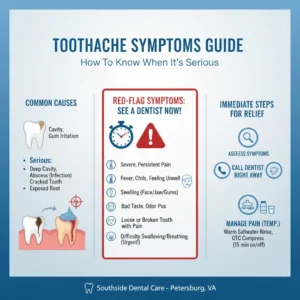
Toothaches/cavities: Despite best care, teens can still get cavities or minor toothaches. If a tooth hurts, rinse with warm water, floss to check for food debris, and avoid sugary foods. See the dentist promptly for evaluation – early fillings or sealants can stop decay.
Knocked-out tooth: If a permanent front tooth is completely knocked out (e.g. sports accident), immediate action can save it. Rinse the tooth gently by holding only the chewing surface (not scrubbing). If possible, reinsert it into the socket and bite down on gauze to hold it. If you can’t reinsert it, keep it moist in milk or saliva (do NOT put it in plain water) and go to the dentist or ER immediately. The American Academy of Pediatrics notes that success is highest if the tooth is replaced within 30 minutes. Acting fast can mean the difference between saving the tooth and losing it.
Chipped or cracked tooth: For a small chip, save any pieces in milk and see the dentist. The dentist may smooth the edge or use bonding. If a crack is severe or down into the gum, you need urgent care to prevent infection or further breakage.
Lost filling or crown: If a filling or crown pops out, save it (clean it with water) and see the dentist within a day. Chewing on sugar-free gum or temporary dental cement (pharmacy) can protect the area until the repair.
Always keep emergency numbers handy. In Petersburg, Southside Dental Cares has an emergency dentistry service available for urgent dental problems. For injuries, the general ER can stabilize the situation, but a local dentist is usually best for reimplantation or splinting.
Lifestyle Factors and Teen Concerns
Teenagers experiment and face social pressures; these habits can impact oral health.
Smoking and Vaping: Tobacco in any form (cigarettes, cigars, vaping, chewing tobacco) is harmful to teen mouths. It causes bad breath, tooth stains, dry mouth, gum inflammation, and even pre-cancerous changes. Nicotine also impairs blood flow to gums, weakening their health. The CDC and dentists strongly advise teens to avoid nicotine entirely. If a teen is smoking or vaping, involve healthcare providers early – quitting sooner prevents long-term damage.
Oral Piercings: Tongue, lip, or cheek piercings are popular, but they carry risks. The ADA warns that mouth piercings introduce bacteria and can cause infections, swelling, nerve damage, and chipped teeth. Jewelry constantly “clicks” against teeth and gums, leading to abrasions. If a teen already has a piercing, they must clean it meticulously: rinse with mouthwash or salt water after meals and brush gently to avoid catching bristles. Also, avoid playing with the jewelry and check that posts are tight to prevent choking. Ideally, remove piercings during sports and sleep. The safest choice is to remove mouth jewelry altogether to prevent these complications.
Hormonal Changes/Acne: Hormonal surges in puberty can increase gum sensitivity. Teens should not neglect gum care even if “growing pains” or acne demand attention elsewhere. Good oral hygiene (brushing/flossing) helps mitigate any hormonal gingivitis. Acne itself is not directly caused by braces or toothpaste, but encourage teens to wash faces and replace pillowcases to avoid general skin irritation.
Diet and body image: Some teens may cut back on eating for weight reasons or have eating disorders. This can starve enamel of nutrients or cause erosion (vomiting exposes teeth to stomach acid). If parents suspect such issues, they should consult medical professionals immediately.
Parental Guidance and Local Resources
Parents play a key role in teen oral health. Model good habits: make family brushing/flossing part of the routine and talk about why it’s important. Keep supplies handy – teen-friendly toothbrushes (including soft-bristle electric ones) and flossers – and let your teen pick fun flavors (mint, bubblegum, etc.). Schedule dental checkups in Petersburg every six months. Pediatric dentists and orthodontists can answer teen questions and should involve teens in decisions (e.g. choosing bristle type or orthodontic colors) to encourage buy-in. The AAPD recommends taking accurate social histories and discussing habits like diet and vaping with adolescents; as a parent, be open to these conversations or bring them up at dental visits.
For Petersburg and Prince George families, Southside Dental Cares offers both pediatric dentistry and orthodontics under one roof. Our pediatric team builds healthy routines in teens through gentle checkups, fluoride treatments, and sealants. Our orthodontic specialists customize braces or aligners, as detailed on the Ortho Solutions page. Reading local Google reviews and confirming office hours on Google Business Profile can help families choose a practice. Local SEO tip: Make sure your dentist’s Google profile is claimed, accurately lists 2731 South Crater Rd, Petersburg, VA, and highlights services like braces and teen checkups. Positive reviews can help others in Petersburg search confidently for teen dental care.
Finding Care in Petersburg: Southside Dental Cares proudly serves Petersburg, VA and the surrounding area. Teens and parents should look for a practice that welcomes young people. Ask if the dentist is comfortable treating adolescents and accommodating orthodontic treatments. Inquire about sedation or anxiety management if your teen is nervous. Check whether insurance or payment plans are accepted.
In summary, with a consistent daily routine, smart diet choices, protection during sports, and adherence to orthodontic instructions, teenagers can maintain excellent oral health. Armed with reliable information and supportive parents, Petersburg-area teens will be on track for a confident, healthy smile that lasts a lifetime.
Sources: Authoritative guidance from the ADA, AAPD, Johns Hopkins, AAP (HealthyChildren), and dental research. Recommendations are aligned with national standards for teen oral care.
Braces vs. Aligners: Which is Right for Your Teen?
If your teen does need help straightening their teeth, you’ll likely consider orthodontic options. Traditional metal braces have been around for decades, but modern dentistry also offers clear aligners (like Invisalign®) that are popular with image-conscious teens. Both options can effectively correct misaligned teeth – yet each has its pros and cons. Below is a handy comparison table to help you understand braces vs. clear aligners for teens:
| Factor | Traditional Braces | Clear Aligners |
| Appearance | Visible metal brackets and wires. Modern braces can be customized with colored bands for fun, but they are still noticeable in the smile. | Virtually invisible when worn. Clear plastic trays are hard to spot, which can boost a teen’s confidence in social settings. |
| Comfort | Initially can cause mild soreness or irritation to lips/cheeks. Brackets stay on teeth, so no chance to “take a break.” Adjustments every few weeks can tighten and ache temporarily. | Generally comfortable. Trays might cause slight pressure at first, but no metal to poke the mouth. However, aligners must be worn ~22 hours a day, which requires discipline. |
| Hygiene & Care | Requires diligent cleaning: teens must brush and floss around brackets and wires. Special tools (orthodontic flossers, Waterpiks) help. Risk of plaque buildup or white spots on enamel if oral hygiene is poor. | Aligners are removable, so brushing and flossing normally is easy. Teens must clean the trays and their teeth after eating before putting aligners back in. Less risk of food getting trapped, but only if the teen actually follows cleaning instructions. |
| Food Restrictions | Yes – sticky, hard, or chewy foods (gum, caramel, popcorn, nuts) should be avoided as they can break brackets or wires. Teens need to adjust their diet a bit. | No major restrictions on food itself since aligners are removed to eat. However, teen must remember to take them out before eating or drinking anything but water, and brush before re-inserting. Forgetting this can lead to staining or cavities. |
| Responsibility | Braces are fixed in place, so compliance is easier in that you can’t misplace them. However, teens still need to wear elastics (rubber bands) or other appliances as instructed. Missed orthodontic appointments or broken brackets can prolong treatment. | High responsibility – aligners can be lost or not worn enough. Teens must be responsible to wear them ~22 hours daily. If your teen tends to lose things or is forgetful, braces might be a safer bet. Parents may need to supervise usage. |
| Treatment Time | Typically 18–24 months, varying by case complexity. Braces work continuously since they’re always on. Compliance with appointments and care affects timing. | Typically 6–18 months, depending on case complexity and how diligently the teen wears the trays. If aligners aren’t worn as directed, treatment can take longer (or may not succeed). |
| Follow-up & Aftercare | Regular orthodontic visits every 4–6 weeks for adjustments. After braces are removed, a retainer is required to maintain results (often worn at night indefinitely). | Orthodontic check-ins every 4–6 weeks to get new sets of trays and ensure progress. After finishing aligners, a retainer is also required. Compliance with retainer use is crucial regardless of treatment type. |
| Cost & Insurance | Cost varies; traditional braces are generally slightly more affordable than clear aligners. Many insurance plans cover part of adolescent orthodontics. | Aligners can be a bit more expensive than braces. Costs have been coming down, and they might be comparable depending on the case. Insurance often covers a portion similarly to braces if treatment is orthodontic in nature. |

before orthodontic treatment with crowded, crooked teeth, and after treatment with beautifully straight teeth. This visual transformation illustrates how effective braces/aligners can dramatically improve a teen’s smile and confidence.
As you can see, both braces and clear aligners have advantages. Braces are reliable and don’t depend on teen compliance (since they’re glued on!), whereas aligners are discreet and convenient for hygiene but require maturity and responsibility. Every teen is different. Some might love the idea of nearly invisible aligners; others might do better with traditional braces that don’t tempt them to remove.
So how do you decide which is right for your child? It helps to consider your teen’s personality, lifestyle, and the specific dental issues being corrected. For instance:
- Does your teen feel extremely self-conscious about their looks? Clear aligners might make them more comfortable socially.
- Is your teen likely to forget or lose things? Braces might be the safer choice to ensure the treatment stays on track.
- What does the orthodontist recommend for their case? Severe or complex misalignments sometimes move faster with braces, though newer aligner technology is closing that gap.
Is Orthodontic Treatment Right for Your Teen?
Not every teen will need orthodontic correction, but many do. It’s often clear when crooked teeth, crowding, or bite problems are present – these are signs your teen might benefit from braces or aligners. The American Association of Orthodontists recommends kids get an initial evaluation by age 7, but many children won’t begin treatment until around age 11-15 when most adult teeth are in. If you’re unsure whether your teenager needs orthodontic care, here are some clues:
- Crowded or Crooked Teeth: Overlapping teeth or significant crookedness can lead to difficulty cleaning, which means higher cavity risk and gum issues. It also may bother your teen aesthetically. This is a strong indicator to seek an orthodontic opinion.
- Gaps or Spacing: Sometimes spacing issues (a gap-toothed smile) can make teens self-conscious or affect the way teeth bite together. Minor gaps might be closed with simple treatments, while larger ones may need braces/aligners.
- Bite Problems: If your teen’s upper and lower teeth don’t meet properly (overbite, underbite, crossbite), it can cause chewing difficulties, jaw pain, or uneven wear on teeth. Orthodontic treatment can correct bite alignment, preventing long-term issues.
- Difficulty Chewing or Speaking: Teeth alignment can impact chewing efficiency and even speech (certain misalignments cause lisps or other speech impediments). If you notice these issues, an evaluation is wise.
- Teeth Coming In at Odd Angles: As teens get their last adult teeth (and sometimes wisdom teeth in later teens), you might see teeth erupting in strange positions. Early intervention can guide teeth into better alignment and make any future braces easier.
If you notice any of these signs – or if your family dentist has pointed them out – it’s probably time for a consultation with an orthodontist. At Southside Dental Care, we make this process simple and informative. We offer free initial orthodontic consult where our specialists assess whether braces or aligners are needed. Is orthodontic treatment right for your teen? We’ll give you an honest expert opinion. Our team will also walk you through the best options (traditional braces, clear braces, or clear aligners) tailored to your teen’s needs. The goal is to ensure that if your teen does undergo treatment, it’s the right choice at the right time – resulting in a healthy bite and a confident smile.
Safety & Aftercare: Keeping Teen Smiles Safe and Sound
Dental care for teens isn’t just about daily brushing – it’s also about protecting their teeth from injury and caring for them after any treatments. Teenagers are active and sometimes accident-prone, so a few safety measures can prevent dental emergencies. Additionally, if your teen undergoes any dental procedures (from a filling to getting braces), knowing how to take care of them afterward will ensure smooth healing and long-term success. Below is a handy checklist covering both preventive safety and aftercare tips for common teen dental scenarios:
- Protective Gear for Sports: If your teen plays contact sports (football, basketball, hockey, martial arts, etc.) or even activities like skateboarding, wearing a mouthguard is a must. A custom-fitted mouthguard from the dentist offers the best protection against broken teeth or jaw injuries. Make sure they always pack it in their sports bag – one rough tackle or accidental elbow could save a tooth if a mouthguard is in place.
- Avoid Risky Oral Habits: Talk to your teen about habits that can harm their teeth. Biting down on hard objects (pens, ice cubes), using teeth as tools to open packages, or chewing fingernails can cause chips or cracks. Also, discourage tongue or lip piercings – these can chip teeth and invite infection. Teens might not realize the risks, so a gentle conversation can help them make safer choices.
- Wisdom Teeth Watch: Late teen years (17-19) is when wisdom teeth often start to come in. These molars can cause crowding or pain if they don’t have room. Keep an eye out for any complaints of jaw pain at the back of the mouth or gum swelling. Regular dental checkups will include X-rays to monitor wisdom teeth. If removal is needed, your dentist will guide you. Wisdom tooth extraction is common and usually straightforward for teens – and we’ll provide full aftercare instructions to ensure quick healing if it becomes necessary.
- Orthodontic Aftercare: If your teen gets braces, the first week or after each adjustment their mouth may be sore. Have soft foods on hand (soups, smoothies, mashed potatoes) and use orthodontic wax to cover any pokey wires or brackets that irritate the inner cheeks. Over-the-counter pain relievers can be used if needed for a day or two. For teens with clear aligners, after switching to a new tray, mild tightness or pressure is normal; chewing on the provided bite wafers and sticking to the 22-hour wear schedule helps the discomfort pass quickly. Always encourage your teen to communicate if something feels very painful or a wire breaks – prompt fixes prevent delays in treatment.
- Dental Procedure Aftercare: Teens might need an occasional filling, extraction, or deep cleaning. After such procedures, following the dentist’s aftercare guidelines is crucial. For example, after a filling or consult for wisdom teeth, the numbness can last a couple of hours – remind your teen not to chew on their cheek or tongue. After an extraction, they should avoid using straws, vigorous rinsing, or heavy exercise for at least 24 hours to protect the blood clot and allow healing. Our team provides written instructions and is just a phone call away if you or your teen have questions during recovery. Don’t hesitate to reach out – we’re here to help your teen have a safe, comfortable healing process.
- Emergency Plan: It’s wise to have a plan if a dental emergency occurs (like a knocked-out tooth or a broken appliance). Keep our office number saved in your phone and ensure your teen knows whom to contact. In case of a knocked-out permanent tooth, time is critical – gently rinse it and try to place it back, or keep it in milk, and see a dentist within 30 minutes if possible. Having discussed these emergency steps calmly beforehand means your teen will be more likely to handle a crisis smartly if it ever happens.
Teen Dental Care Checklist: (Ready-to-use checklist for daily care and aftercare)
– [ ] Brush twice a day (after breakfast and before bed) with a fluoride toothpaste. Brush for a full 2 minutes each time, reaching all sides of every tooth.
– [ ] Floss once a day to remove plaque and food between teeth. (Tip: Use floss picks or a water flosser if traditional floss is challenging, especially if braces are present.)
– [ ] Rinse with an antimicrobial mouthwash once a day, especially if your teen is prone to gingivitis or has braces (which can trap bacteria). This helps kill germs and keep breath fresh.
– [ ] Limit sugary and acidic drinks like soda, energy drinks, and sports drinks. If consumed, use a straw and rinse with water afterward. Choose water or milk whenever possible for healthier teeth.
– [ ] Wear a mouthguard during sports and active hobbies to prevent dental injuries. (No one wants a chipped tooth or busted lip at the big game!)
– [ ] Keep up with dental appointments every 6 months. Regular cleanings and exams will catch problems early and keep your teen’s smile on track. Mark the next visit on the family calendar or phone reminder.
– [ ] If your teen has braces: follow all braces care instructions. Brush after meals, use ortho flossers, avoid sticky/hard foods, and wear any rubber bands or appliances as directed. If an aligner or retainer is in use, clean it daily and store it in its case when not in the mouth.
– [ ] Communicate: Encourage your teen to tell you or the dentist about any pain, sensitivity, or concerns (like bleeding gums, toothache, or if they’re unhappy about their smile). Prompt attention can prevent small issues from becoming big ones.
By using the checklist above, you and your teen can ensure all bases are covered – from daily brushing to preventive care and handling special situations.
Teen Oral Health: Frequently Asked Questions
🪥 How often should teens brush and floss?
Teens should brush at least twice a day with fluoride toothpaste for two minutes each time, and clean between their teeth once daily. This removes plaque that causes cavities and gum disease.
🍎 What foods should teenagers avoid?
Limit sugary, sticky, or acidic drinks like soda, sports drinks, and candy. Choose water, milk, cheese, or vegetables instead. Acidic or sugary items should ideally be consumed only at mealtimes.
🦷 How can braces soreness be relieved?
Soreness usually peaks 1–3 days after an adjustment. Eat soft foods (smoothies, mashed potatoes), rinse with warm salt water, and use orthodontic wax for poking wires. Over-the-counter pain relievers can also help.
🛡️ Why is a mouthguard important for athletes?
Mouthguard users are 82–93% less likely to suffer dental injuries. A custom-fitted guard is essential for all teens playing contact or high-impact sports to protect both teeth and jaws.
🚨 Emergency: What if a tooth is knocked out?
Act fast! Handle the tooth by the chewing surface, rinse with milk/saline, and try to reinsert it. If not possible, keep it moist in milk. See a dentist or ER within 1 hour to maximize the chance of saving the tooth.
⚡ Can teens use electric toothbrushes?
Yes! Powered brushes remove up to 11–21% more plaque than manual ones. Water flossers are also excellent for teens with braces or those who find traditional flossing difficult.