
Cold winter weather and indoor heating can make sensitive teeth worse. Common causes include thin enamel, receding gums, or cavities that expose dentin (the nerve-rich layer). In winter, dry air and breathing cold air further aggravate sensitivity by reducing saliva and cooling exposed areas. Preventive steps include gentle oral hygiene (soft-bristle brushing, flossing), fluoride and desensitizing toothpaste use, staying hydrated, and using humidifiers. Home remedies like warm saltwater rinses or cold-drink straws can help temporarily, but persistent or severe pain should prompt a dental visit. Petersburg residents have fluoridated water (about 0.68 ppm) to strengthen enamel and local dentists (like Southside Dental Cares) offering services ranging from preventive cleanings to advanced gum care and cosmetic [Smile Enhancement] procedures. This guide covers cold-sensitivity causes, winter triggers, prevention, treatment options (home vs. professional), and when to see a dentist. It also highlights special cases (kids, seniors, gum disease) and Petersburg-specific resources.
Understanding Cold Sensitivity in Winter
What Causes Tooth Sensitivity?
Tooth sensitivity (dentin hypersensitivity) occurs when enamel or cementum is worn away and exposes the underlying dentin. Dentin contains microscopic tubules leading to the tooth’s nerve. When these tubules are exposed, stimuli like cold air or sweet foods can reach the nerves, causing sharp pain. Common causes include:
– Enamel erosion: From aggressive brushing or acidic foods/drinks.
– Receding gums: Gum disease or aging can pull gum tissue back, exposing root surfaces.
– Cavities, cracks or chips: Any damage or decay can expose dentin and nerves.
– Worn fillings or bruxism: Old fillings or teeth grinding can wear enamel over time.
ADA experts note that sensitive teeth “can be treated” and the treatment depends on the cause. Good daily hygiene and proper care are key to preventing sensitivity.
Why Winter Weather Can Trigger Sensitivity
Winter introduces unique triggers. Cold outdoor air and dry indoor heat can worsen sensitivity:
– Temperature changes: Sipping hot coffee then breathing cold air (or eating cold popsicles) makes teeth rapidly expand and contract. If enamel is thin or dentin is exposed, this triggers pain. The Parkway Smiles blog explains that “cold air reaches exposed dentin caused by thin enamel or receding gums” during winter, leading to nerve pain.
– Dry air and heating: Indoor heating lowers humidity, drying out mouth tissues. Dry winter air “reduces saliva production, leaving your gums dry and irritated”, so plaque and acids are less neutralized. Low saliva means less natural protection, increasing sensitivity risk.
– Mouth breathing: Congestion from colds often leads to mouth breathing. Breathing cold air with an open mouth dries out and chills teeth directly. Parkway Smiles warns that winter mouth breathing “dries out the gums and contributes to irritation”.
– Diet and habits: Winter holidays often mean more sugary treats and hot/cold beverages. Sugary or acidic foods (e.g. soda, citrus) erode enamel. Sipping very hot drinks can loosen sensitivity by shock when followed by cold. Also, grinding from holiday stress can crack enamel.
Understanding these triggers helps Petersburg residents take steps: protect teeth from extreme temperatures, maintain hydration, and use home humidifiers to restore moisture.
Prevention and Daily Care Strategies
Gentle Brushing and Good Oral Hygiene
Proper daily care is the first defense against sensitivity. Brush gently with a soft-bristle toothbrush and fluoridated toothpaste twice a day, and floss daily to prevent gum disease. Avoid hard scrubbing or abrasive toothpaste that can wear away enamel or irritate gums. As the ADA notes, “Proper oral hygiene is the key to preventing sensitive-tooth pain”. If plaque builds up, especially at the gumline, it can worsen gum recession and sensitivity. Flossing and routine cleanings remove this plaque. In Petersburg, dentists recommend fluoride toothpaste to strengthen enamel even during winter (the city’s water supply is fluoridated at ~0.68 ppm).
Desensitizing Toothpaste and Products
Special toothpastes formulated for sensitive teeth contain active ingredients that help block pain signals or seal tubules. Key ingredients include potassium nitrate or strontium chloride, which calm nerves and plug dentin tubules, and stannous fluoride (or sodium fluoride) which strengthens enamel. For example, a potassium nitrate toothpaste works by “calming the nerves inside the teeth”, while stannous fluoride both reinforces enamel and fights sensitivity. Using such a toothpaste twice daily can begin to reduce sensitivity after several weeks of consistent use. Over-the-counter fluoride rinses or prescription fluoride gels (1.1% NaF) used weekly can further remineralize enamel. When brushing with these products, be sure to spit, not rinse, so the active agents remain on the teeth a bit longer.
Fluoride and Remineralization
Fluoride is critical for reversing early enamel erosion. In addition to fluoridated water, use a fluoride mouthwash or professional fluoride treatment for extra protection. A quick rinse with a sodium fluoride mouthwash (e.g. 0.05% NaF) after brushing can help remineralize enamel. Pediatric patients may receive fluoride varnish or gels in the office. Since Petersburg’s water is already treated (fluoride at ~0.68 ppm), local residents benefit from baseline protection. Still, using fluoride toothpaste and occasional fluoride products adds a boost. Stronger enamel means fewer exposed nerves.
Diet and Eating Tips
What you eat and drink matters for sensitive teeth in winter:
– Avoid extremes: Try not to eat something very hot and then immediately sip ice-cold water (or vice versa). If you do have ice water or cold drinks, drink through a straw so the liquid bypasses your teeth. Gradually temperature-shocking teeth (for example, run warm water over cold utensils first) can help reduce jolts.
– Minimize acidity: Acidic foods/drinks (citrus, soda, wine, vinegar-based items) can erode enamel further, especially when the mouth is dry. Limit these and rinse with water afterward.
– Snack smart: Cheese, nuts, crunchy veggies, and sugar-free gum stimulate saliva and help neutralize acids. Chewing xylitol gum after meals is a great easy trick—xylitol reduces bacteria and increases saliva flow. Stay away from sticky candies.
– Hydrate: Even though it’s cold, drink plenty of water throughout the day to maintain saliva. Sipping water or a sugar-free beverage keeps the mouth moist. Remember, ingredients like caffeine and alcohol are diuretics that can worsen dryness, so enjoy them in moderation and balance with water.
Nighttime and Home Environment
Before bed, consider running a humidifier in your bedroom to combat dry winter air. Johns Hopkins Medicine advises using a humidifier “once or twice a day, especially in your sleeping area at night” to add moisture back into the air. This simple step can relieve dry mouth symptoms and reduce overnight sensitivity. Also, if allergies are causing mouth breathing (dryness), treat nasal congestion so you can breathe through your nose. Keeping lips and lips balm-moisturized can help, too.
Sample Daily Routine
A practical step-by-step routine helps ensure no detail is missed: 1. Morning: Brush gently with a soft toothbrush and a fluoride or desensitizing toothpaste. Floss any food debris. Rinse with a fluoride mouthwash or with lukewarm water if teeth are very sensitive.
2. Throughout the Day: Drink water regularly, chew sugar-free gum after meals, and wear a scarf outdoors (cover your mouth to warm air before it hits teeth). If you drink coffee or tea, let it cool a bit before sipping. Keep snacks enamel-friendly.
3. Evening: Brush and floss before bed. Apply a little fluoride gel or prescription strength toothpaste (if recommended by a dentist) and leave it on overnight. Use a humidifier in the bedroom.
4. After Meals: If you consume acidic foods or drinks, rinse with water or chew sugar-free gum to neutralize acids.
By embedding these habits into your winter routine, most mild sensitivity can be managed without major issues.
Treatment Options for Sensitive Teeth
At-Home Remedies
For mild sensitivity or as first-line help, try these home measures:
– Desensitizing products: As above, use toothpaste with potassium nitrate or strontium chloride. Rub it on sensitive spots and brush normally. Follow the label’s instructions (some recommend leaving on teeth for 1-2 minutes).
– Fluoride applications: Over-the-counter gels or trays with fluoride can be applied a few times a week.
– Saltwater rinse: Dissolve ½ teaspoon of salt in warm water and rinse 20-30 seconds. This soothes tissues and may reduce sensitivity.
– Warm water swishing: Sometimes rinsing with comfortably warm (not hot) water relieves a sudden jolt of cold pain.
– Cold avoidance: Use room-temperature or lukewarm water to rinse, and let hot foods cool slightly. If you do drink cold liquids, use a straw to limit contact.
– Oral gels: There are OTC desensitizing gels or varnishes (often fluoride-based) you can apply directly for temporary relief.
– Hydration & Gum: Drink plenty of water and chew xylitol gum after meals to boost saliva and buffer acids.
– Avoid aggravators: Stop behaviors that wear enamel, like abrasive brushing, chewing ice, or using teeth to open things.
If sensitivity is due to minor enamel wear or recent changes (new whitening, braces, etc.), these at-home steps can gradually help. Give any new toothpaste 2–4 weeks to see improvement. If the pain persists beyond that or worsens, professional care may be needed.
Professional Treatments
Dentists have many tools to treat severe or persistent sensitivity, tailored to the cause. According to the ADA, treatments may include:
- In-office Fluoride or Varnish: A dentist can apply a concentrated fluoride varnish to strengthen enamel and block tubules. This quick treatment can provide relief that builds over days.
- Bonding or Sealants: For tiny cracks or exposed root areas, your dentist can apply composite bonding or sealants to cover and insulate the tooth surface.
- Crowns or Onlays: If a tooth is cracked or has large fillings near the nerve, placing a crown or inlay can protect it and eliminate sensitivity.
- Surgical Gum Graft: If gum recession has exposed root, a gum graft can cover the root surface and reduce sensitivity. Our [Gum Care] services include procedures like this to protect roots.
- Root Canal Therapy: In extreme cases where sensitivity is severe and other treatments fail, root canal may be recommended to remove the nerve from a problematic tooth.
- Prescription Products: Dentists can prescribe higher-fluoride toothpastes or gels (for example, 1.1% NaF) or special mouth rinses to rebuild enamel more aggressively.
In Petersburg, many practices (including Southside Dental Cares) offer these solutions. For example, the [Gum Care] page notes that “Deep Cleaning (Scaling & Root Planing) … helps reduce inflammation and bacterial buildup below the gumline” – an important step if gum disease is causing sensitivity. The [Smile Enhancement] page lists cosmetic options like bonding and veneers, which can also restore shape to chipped teeth and shield them from cold.
<table> <thead> <tr><th>Approach</th><th>At-Home Remedies</th><th>Professional Treatments</th></tr> </thead> <tbody> <tr><td><strong>Goal</strong></td><td>Relieve mild sensitivity, strengthen enamel gradually</td><td>Treat underlying causes and protect teeth long-term</td></tr> <tr><td><strong>Common Methods</strong></td><td>Soft brushing; desensitizing toothpaste (KNO₃, stannous fluoride); fluoride rinse/gel; saltwater rinses; drinking water; straw for cold drinks</td><td>Fluoride varnish or gel in-office; composite bonding or crowns; deep cleaning (scaling/root planing); gum grafts; root canal if needed</td></tr> <tr><td><strong>When to Use</strong></td><td>Initial relief for mild, occasional sensitivity; preventive care</td><td>Persistent or severe sensitivity; identifiable issues (decay, cracked tooth, gum disease)</td></tr> <tr><td><strong>Timeline</strong></td><td>May take weeks of daily use to see improvement</td><td>Often quicker relief once done; may require multiple visits</td></tr> <tr><td><strong>Cost</strong></td><td>Lower (OTC products), covered by insurance typically</td><td>Higher (dental visit/procedure); insurance may cover some treatments</td></tr> </tbody> </table>
When to See a Dentist
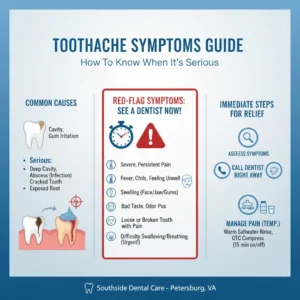
If tooth sensitivity is severe, worsening, or not improving with home care within a few weeks, see your dentist. Also consult a dentist if sensitivity is accompanied by other red flags: persistent aching, pain in one tooth, gum swelling, or sensitivity to heat/sweet foods. Parkway Smiles warns: “Don’t ignore ongoing tooth pain, swollen gums, bleeding, or sensitivity that makes eating or drinking uncomfortable”. Similarly, pediatric dentists advise parents to seek help if a child’s tooth pain is persistent or accompanied by visible decay or swelling.
A professional exam can identify causes like cavities, cracked teeth, or advanced gum disease. Early intervention often prevents more extensive treatment. In Petersburg, dentists may perform an exam and X-rays to find the cause, then apply appropriate treatments (filling a cavity, applying sealant, etc.). Remember, even if the pain only happens in winter, it could signal a problem that will worsen.
Flowchart: Deciding When to Act on Sensitivity
This simple decision flow can guide you: start with home care for mild cases, but if pain persists beyond a few weeks or is intense, see a dentist.
Special Populations
Children and Sensitive Teeth
Children can have sensitive teeth in winter too. Kids’ enamel is naturally thinner and still developing, making them more prone to cold sensitivity. Tips for children include: using a kids’ soft brush and fluoride toothpaste, limiting acidic candies and sodas, and encouraging nose breathing (since mouth breathing exposes teeth to cold air). If a child complains of tingling or pain from cold air or ice cream, try a desensitizing toothpaste (many kids’ versions exist) and warm saltwater rinses. Ensure they stay hydrated. Signs that need a dentist: daily pain, pain in one tooth, or any swelling or fever. Pediatric dentists can apply fluoride varnish or sealants on children’s molars to prevent decay that often underlies sensitivity. Early dental visits (first exam by age one) help catch any problems before they worsen.
Elderly Patients
Older adults are more likely to experience sensitivity due to gum recession and medications. Studies show 30% of people over 65 and nearly 40% over 80 report dry mouth (xerostomia), often from medications or age. Receding gums expose tooth roots, and thinner enamel over time means less protection. For seniors, hydration and saliva stimulation are key: sip water regularly, chew sugar-free gum, and breathe through the nose. Use high-fluoride toothpaste (1.1% prescription gels) if recommended. Regular dental check-ups should include screening for root caries (common in elders) and periodontal treatment. Local geriatric-focused dentists can apply targeted fluoride varnishes or bonding agents on exposed roots. Denture wearers should follow care instructions to avoid stomatitis, as irritations can contribute to sensitivity too.
Patients with Gum Disease
Gum disease (periodontitis) often causes or worsens sensitivity by exposing roots. Symptoms include bleeding or tender gums. If sensitivity increases when brushing along the gum line, see a dentist or periodontist. Treatments for gum disease—like the deep cleaning (scaling and root planing) described on our [Gum Care] page—can reduce root exposure and sensitivity. In advanced cases, gum graft surgery can cover exposed roots. Also, controlling gum disease halts bone loss that might otherwise expose more tooth. Good daily flossing and antimicrobial rinses are important to support professional treatments. Remember, healthy gums form a seal that protects roots; keeping gums strong through professional [gum care] and home hygiene helps prevent sensitivity.
Petersburg, VA: Local Resources and Care
In Petersburg, quality dental care is accessible. Southside Dental Cares (Prince George Dental Office) at 2731 South Crater Road is a local clinic specializing in all-age dentistry. They offer preventive cleanings, emergency care, pediatric dentistry, and specialized treatments. The practice emphasizes modern technology and a patient-focused approach. For example, their [Gum Care] services include periodontal cleanings and grafts to protect teeth, and their [Smile Enhancement] services include bonding and veneers to fix chips or cracks. These procedures not only improve appearance but also restore structural protection to sensitive teeth.
For Petersburg residents, another advantage is the city’s fluoridated water supply. The annual water report shows fluoride at about 0.68 mg/L, which is the level recommended for cavity prevention. This means local tap water already helps strengthen enamel. The Virginia Department of Health encourages community water fluoridation as a cost-effective way to prevent decay, benefiting all ages. (Of course, continue using fluoridated toothpaste and rinses as needed.)
If you’re a Petersburg family, take advantage of local resources: Medicaid/FAMIS accepts many dental offices in the area, and school-based sealant programs (through the Virginia Oral Health program) may offer fluoride treatments to children. The Virginia Health Catalyst’s reports highlight efforts in the Richmond–Petersburg region to expand access to care, so ask local providers about these programs.
Typical Services and Emergency Care
Southside Dental Cares lists services such as preventive care, cavity prevention, and emergency dentistry. This means if you have a sudden toothache or sensitivity spike (say a cracked tooth from a fall), they can provide same-day care. They have pediatric dentistry for children’s needs and restorative/cosmetic options for adults. If you suffer from severe sensitivity, an emergency visit can often be scheduled for prompt relief.
Key Local Facts: Petersburg’s winters have average highs around the low 50s°F (about 11°C) and occasional snow. Indoor humidity often drops, so using a humidifier is especially effective here. Local foggy or cold days may prompt mouth breathing, so covering mouth with scarf can help. Remember that fluoride treatments and sealants are offered by local dentists to reinforce teeth.
Don’t let winter weather take a bite out of your smile. If cold triggers tooth pain or your gums feel worse, we can help. Southside Dental Cares is proud to serve Petersburg and nearby communities with complete winter dental care. Learn more about our gum care treatments (deep cleanings, gum grafts, etc.) that protect sensitive roots, and our smile enhancement options (bonding, veneers, etc.) that restore strength and beauty. Schedule a winter check-up by calling (804) 732-8557 or visiting our Petersburg office at 2731 South Crater Rd. Our friendly team will tailor a plan to relieve your sensitivity and keep your oral health strong through the seasons. Stay comfortable and smile on!
Sources: Authoritative dental and health organizations and local Petersburg resources were used, including the American Dental Association, Virginia health reports, and regional dental guides. The Southside Dental Cares practice pages provided local service details.
Frequently Asked Questions
Q: Why do my teeth hurt more in cold weather?
A: Sensitivity happens when the dentine under your enamel is exposed, either through worn enamel or gums that have receded. Dentine is full of microscopic tubules that lead to the nerve, and cold air or cold drinks make the fluid inside them move, which the nerve reads as a sharp, short pain. Winter adds two more triggers: breathing cold air through the mouth, and drier indoor air that reduces the saliva protecting your teeth.
Q: Does desensitizing toothpaste actually work?
A: For most people, yes, but not instantly. Formulas based on potassium nitrate calm the nerve response, while stannous fluoride formulas plug the exposed tubules. Either way you need consistent twice-daily use for two to four weeks before judging it. A useful trick is to rub a little onto the sensitive area with a fingertip before bed and not rinse it off.
Q: Should I give up cold drinks?
A: No, but a few habits reduce the jolt. Use a straw so cold liquid bypasses the sensitive necks of the teeth, avoid going straight from something hot to something ice-cold, and let very cold drinks warm slightly before sipping. If a particular tooth reacts every time and the ache lingers, that tooth is worth having looked at.
Q: When is sensitivity a sign of something more serious?
A: Normal sensitivity is sharp and stops within a few seconds. Book an appointment if the pain lingers for 30 seconds or more, if it wakes you at night, if a tooth hurts when you bite down, or if there is swelling, a bad taste or bleeding gums. Those point to decay, a crack or infection rather than simple sensitivity.
Q: What home remedies should I avoid?
A: Skip charcoal and other abrasive whitening pastes, DIY acidic rinses with vinegar or lemon, and hard-bristled brushes used with force. All three wear away more enamel and expose more dentine, so the relief you feel from freshness costs you protection. A soft brush, gentle pressure and fluoride toothpaste do far more for a sensitive winter smile.
Q: What can we do for sensitivity at the office?
A: Depending on the cause, options include a fluoride varnish applied in a couple of minutes, sealing or bonding exposed root surfaces, treating gum disease that is driving recession, a gum graft where recession is advanced, or a nightguard if grinding is wearing the enamel down. Most people start with varnish and desensitizing toothpaste and only need more if the pain persists.