
A balanced dental diet is essential for strong teeth and gums. Nutrition and oral health have a bi-directional relationship – what you eat affects your mouth, and oral health affects what you can eat. The American Dental Association emphasizes that sugary and acidic foods increase cavity risk, while nutrient-rich foods strengthen enamel and gum tissue. In Petersburg, VA, Southside Dental Cares encourages patients to “eat like a dentist” by choosing foods that promote dental wellness. For instance, cutting back on sweets and snacking prevents the bacteria that cause decay: “cavities form when bacteria feed on sugars, producing acids that weaken enamel”. Our Cavity Prevention program includes “dietary guidance to reduce frequent sugar exposure”. Likewise, gum health is bolstered by nutrients (vitamins A, C, zinc, etc.) – a diet rich in these helps “prevent gum disease”. (For more on gum care, see our Gum Care page.)
Oral-friendly eating also means timing: drinking plain water (especially fluoridated tap water) between meals keeps your mouth clean. The HRSA and CDC note that plain tap water is the best drink for oral health, washing away sugars and acids. In Petersburg, our municipal water is fluoridated, which further protects teeth (fluoride “inhibits or reverses dental caries”). Fluoride combines with saliva minerals (calcium, phosphate) to remineralize early decay. In short, a tooth-friendly diet means plenty of vitamins and minerals (not just avoiding sugar) and smart choices like water, dairy, fruits and veggies. Below we explore key nutrients, top tooth-building foods, and foods to limit – with scientific insights and local Petersburg tips.
Essential Nutrients for Teeth and Gums
Strong teeth and gum tissues depend on specific vitamins and minerals:
- Calcium & Phosphorus. Calcium is the main building block of enamel and bone. ADA’s MouthHealthy explains that calcium “strengthens the hard outer shell of your tooth called enamel,” which defends against cavities. Phosphorus works alongside calcium in hydroxyapatite (the mineral of tooth enamel). Good sources are dairy products (milk, cheese, yogurt) and their non-dairy alternatives. A glass of milk or fortified milk substitute provides calcium plus phosphorus. (In fact, milk consumption “does not increase caries risk and may actually reduce it”.) Non-dairy sources are also rich: calcium-fortified orange juice, tofu, leafy greens, beans, nuts and fish with edible bones. For example, calcium-set tofu can deliver ~860 mg per half-cup, and canned sardines with bones offer 569 mg per cup. Beans (soybeans 515 mg, white beans 485 mg per cup) and almonds (246 mg per cup) add calcium while supplying protein and fiber. Leafy greens like kale, collard greens or spinach each supply 150–360 mg per cup. These foods not only deposit minerals into enamel, but their high fiber content boosts saliva, which naturally buffers acids.
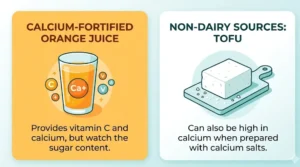
Calcium-fortified orange juice (pictured) provides vitamin C and calcium, but watch the sugar content. Non-dairy sources like tofu (image below) can also be high in calcium when prepared with calcium salts.
- Vitamin D (with Vitamin K2). Vitamin D is crucial for regulating calcium and phosphate absorption. Studies associate higher vitamin D levels with lower cavity risk in children. Without enough D, teeth may mineralize poorly. Sunlight and foods like fatty fish (salmon, tuna, mackerel), egg yolks and fortified milks supply vitamin D. Vitamin K2 (from certain cheeses or fermented foods) works with D to direct calcium into bone and enamel, though K2 is less often discussed. Ensure adequate vitamin D for calcium to be properly used by teeth.
- Vitamin A. Vitamin A (and beta-carotene) helps maintain tooth-forming tissues and mucous membranes, and supports saliva flow. ADA notes that “vitamin A [is] critical to dental health by protecting and rebuilding enamel.” Sources include liver, eggs, dairy, and orange/yellow vegetables like sweet potato, carrots and winter squash. These foods also often contain vitamin C.
- Vitamin C. Vitamin C is key for healthy gum tissue (collagen formation). A deficiency causes scurvy, characterized by inflamed, bleeding gums and tooth loss. Even mild insufficiency can slow healing in the mouth. Citrus fruits, strawberries, bell peppers and broccoli are rich C-sources. ADA confirms “Vitamin C is important for healthy gums and quick healing of wounds.” Daily intake (75–90 mg for adults) prevents scurvy and promotes gum resilience. (Be mindful: whole fruits provide fiber and nutrients, whereas vitamin C tablets or drinks can be highly acidic and erosive.)
- Other vitamins and antioxidants. Vitamins B (especially folate/B9) and C support gum health; a diet rich in A, B, C, calcium and zinc “has been shown to help prevent gum disease.” Zinc (in seafood, meat, nuts) helps oral healing, and antioxidants (vitamins E and carotenoids) reduce inflammation. For example, leafy greens, berries, tomatoes and nuts are high in antioxidants. Eating a variety of colorful produce ensures a spectrum of nutrients that fight bacteria and bolster gum immunity.
- Fluoride. Fluoride isn’t a food nutrient but is often ingested via water or toothpaste. It replaces hydroxyl groups in enamel to form fluorapatite, which is more acid-resistant. NIH notes fluoride “inhibits or reverses the initiation and progression of dental caries”. Drinking fluoridated tap water (as in Petersburg) can reduce cavities by ~25% in kids and adults. So, drink local tap water when possible and use fluoridated toothpaste to keep enamel strong.
In summary, the dental diet should include plenty of calcium and minerals (via dairy or alternatives) plus vitamins D, A, C, K, and antioxidants from fruits and vegetables. At the same time, it should minimize added sugars and acids. The list below shows top foods to incorporate, and foods to limit, along with scientific reasoning.
Top Foods for Healthy Teeth and Gums
- Dairy & Fortified Dairy Alternatives: Milk, cheese, and yogurt are calcium-phosphorus powerhouses. Cheese is especially tooth-friendly: it’s high in casein (a milk protein) and raises saliva pH. Studies suggest cheese and dairy have cariostatic effects (they inhibit decay). Goat or sheep cheeses similarly help. For those avoiding dairy, fortified alternatives work: calcium-fortified orange juice (though high in sugar) provides both calcium and vitamin C, and soy or almond milks are often enriched with calcium and vitamin D. Greek yogurt adds probiotics that may crowd out harmful oral bacteria. Aim for unsweetened varieties to avoid extra sugars.
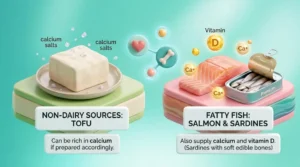
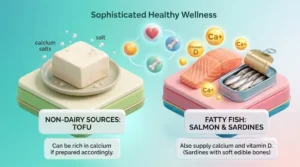
Non-dairy calcium sources like tofu (image above) can be rich in calcium if prepared accordingly. Fatty fish like canned sardines (with soft edible bones) and salmon also supply calcium and vitamin D.
- Lean Proteins & Fish: Lean meats, poultry and fish provide bone-building nutrients. Fatty fish (salmon, mackerel) offer vitamin D and omega-3 fatty acids, which reduce gum inflammation. Proteins from eggs, chicken and legumes also support tissue repair. HRSA notes that diets high in saturated fats may worsen gum disease, so choose lean options. Additionally, certain amino acids like arginine (found in soybeans, turkey, nuts) can raise salivary arginine levels, which may protect enamel. For example, Asian-style meals with soy (tofu, edamame) or beans, and roast turkey sandwiches are both nutritious for teeth.
- Vegetables (especially Green & Crunchy): Leafy greens (kale, collards, spinach, broccoli) supply calcium and folate, plus vitamin A and C. For instance, one cup of collard greens has ~350 mg calcium. Chewing these fibrous veggies stimulates saliva and mechanically cleans teeth. Crunchy veggies like carrots, celery, and raw peppers act like natural toothbrushes, scrubbing plaque as you eat them. HRSA explicitly recommends “Eat more fat-free and low-fat dairy… If you prefer vegetables and leafy greens, try broccoli, spinach, kale, and Swiss chard” for calcium. Kale (image) and other greens are not only nutritious but widely available at local Petersburg markets.

Dark leafy greens (shown: kale) are high in calcium and fiber, making them excellent for dental health. They also contain folate and vitamins A/C for healthy gums and enamel.
- Fruits (with fiber): Eat whole fruits instead of juices. Apples, pears, berries, and melons are tooth-friendly: their fibrous flesh stimulates saliva. Apples and even crunchy fruits can help dislodge food particles. Vitamin-C rich fruits (oranges, strawberries, kiwi, guava, bell peppers) are important for gum health (vitamin C being a collagen cofactor). ADA points out that natural sugars in fruits come with nutrients (unlike added sugars). Just be cautious: frequent sipping of fruit juice or sucking on citrus can expose teeth to acid. If you consume citrus fruits or acidic juices (which can erode enamel), rinse your mouth with water afterward.
- Nuts and Seeds: Nuts like almonds, walnuts, and peanuts deliver calcium, phosphorus, magnesium and healthy fats. A handful of almonds (246 mg calcium per cup) makes a smart snack. Peanuts (Virginia is a major peanut region) provide arginine and other nutrients that may enhance saliva’s defense. Seeds (pumpkin, sesame) also contain minerals like calcium and zinc. Replace candy with a mix of nuts or nut butter for a filling, tooth-friendly snack.
- Beans and Legumes: Beans (black beans, chickpeas, lentils, soybeans) are multifaceted: they’re high in protein, fiber and multiple minerals. As ADA notes, “beans… are a solid source of calcium. In just one cup, soybeans deliver 515 mg of calcium, white beans 485 mg…”. They also contain magnesium and iron. Including beans in soups, salads or as dips adds tooth-strengthening nutrients without sugar.
A variety of beans and legumes (black beans, kidney beans, peanuts, etc.) provides protein, fiber, and minerals. For example, soybeans contain ~515 mg calcium per cup.
- Green Tea and Cranberries: Green and black teas contain polyphenols that inhibit cavity-causing bacteria. Cranberries (fresh, unsweetened) have compounds that prevent bacteria from sticking to enamel. Drinks like green tea can reduce oral acidity. Just avoid adding sugar. (By contrast, toothpastes and tablets containing vitamin C may be acidic and erode enamel, as ADA reviews found.)
- Fluoridated Water and Xylitol Gum: Drink fluoridated tap water. It helps rinse the mouth and strengthens enamel.. After meals, chewing sugar-free gum (especially xylitol-sweetened) can boost saliva flow and neutralize acids. Xylitol itself cannot be metabolized by plaque bacteria, so it may reduce decay risk. (The ADA notes sugarless gum can be ADA-Approved for cavity prevention; however, xylitol’s adjunctive benefits are considered low-quality evidence. Still, many dentists recommend it for dry-mouth or after meals.)
Foods to Limit or Avoid
To keep your smile healthy, minimize these common culprits:
- Sugary and Sticky Sweets: Candy, cookies, cakes, and sugary drinks feed oral bacteria. ADA explains that when “you eat foods containing sugars, the bacteria in plaque produce acids that attack tooth enamel”. Sticky candies (caramel, gummies, dried fruit) cling to grooves and prolong acid exposure. Bacteria can ferment the leftover sugars for hours. If you do enjoy sweets, eat them as part of a meal (not grazing) and rinse or brush soon after. HRSA advises limiting added sugars to protect teeth.
- Acidic Foods & Drinks: Acidic items directly wear down enamel. Citrus juices, sodas (even diet sodas are acidic), sports drinks, pickles, vinegar-based foods and sour candies all increase erosion risk. For example, chewable vitamin C tablets and sodas were linked to more erosion in studies. After consuming acid (or simply citrus fruits), wait 30–60 minutes before brushing, and drink water to dilute acids.
- Starchy “Fast Carbs”: Carbs like chips, crackers, white bread and pastries break down into sugars in the mouth. They can stick between teeth and provide fuel for plaque bacteria just as candy does. When eating grains or crackers, choose whole-grain versions (with more fiber) and clean your teeth afterward.
- Alcohol and Tobacco: Alcoholic drinks (especially mixed with sodas or juices) are often high in sugar and acid. Alcohol itself also dries the mouth and irritates tissues, raising risk of tooth decay and even oral cancer. Tobacco in any form greatly increases gum disease and tooth loss. Avoiding tobacco and limiting alcohol helps preserve oral tissues.
- Hard Habits: Chewing ice, hard candies or unpopped popcorn kernels can chip enamel or crack teeth. Use caution with very hard foods. (If you grind or clench your teeth at night, talk to your dentist about a nightguard to protect enamel from wear.)
In summary, the worst dietary enemies of teeth are sugary snacks, acidic beverages, and frequent snacking. ADA and HRSA advise eating sweets only with meals, focusing meals on whole foods, and drinking plenty of water between meals. Eating “mouth-healthy” foods and staying hydrated also support saliva’s role in neutralizing acids.
Local Tips for Petersburg Residents
Petersburg’s community offers great resources for a dental-friendly diet. River Street Market (open Saturdays downtown) features “the freshest produce from the surrounding counties”. Locals can stock up on seasonal fruits, vegetables, free-range eggs, and homemade foods from local farmers. For example, Virginia peanuts (a regional specialty) are readily available and can be eaten raw or roasted (they’re a source of protein and arginine for saliva). Fresh garden produce like collards, greens, squash and tomatoes – staples in Southern cooking – are rich in vitamins A, C and minerals. Southside Dental also partners with local community programs to teach families how to cook nutritious meals on a budget.
Residents should note that Petersburg’s tap water is fluoridated (per CDC guidance), giving an extra edge against cavities. Local dentists, including our team, emphasize drinking water and not sugary sodas. Also, Petersburg’s warm climate means staying hydrated is important – water intake protects teeth by washing away food and bacteria. By using local produce and healthy regional foods in your dental diet, Petersburg families can build a lifetime of stronger, cavity-resistant smiles.
Comparing Food Choices: Best vs. Worst Foods for Your Teeth
Not all foods affect your teeth the same way. Some strengthen and clean your teeth as you eat, while others promote decay. Here’s a quick comparison of tooth-friendly choices versus foods you should limit or avoid:
| Tooth-Friendly Foods | Foods to Limit or Avoid |
| Dairy products (milk, cheese, yogurt) – Rich in calcium and protein that strengthen tooth enamel and bones. Dairy also helps neutralize acids in your mouth. | Sugary snacks & candies (cookies, cake, gummies) – Sugar feeds oral bacteria, leading to acid production that causes cavities. Sticky candies are especially harmful since they cling to teeth. |
| Leafy greens & almonds (spinach, kale, lettuce; almonds) – High in calcium and minerals, plus fiber that cleans teeth. These foods provide nutrients for strong enamel and healthy gums. | Acidic foods (citrus fruits, vinegar, pickles) – Frequent exposure to strong acids can erode enamel over time. Citrus is healthy, but consume it as part of a meal, not constantly by itself. |
| Crunchy fruits & veggies (apples, carrots, celery) – High-fiber, water-rich foods that stimulate saliva and gently scrub tooth surfaces as you chew. They also give your gums a good massage! | Sodas & sports drinks – Packed with sugar and often acidic (pH as low as ~2.5), soft drinks are a major culprit in enamel erosion and cavities. Even diet sodas are acidic. It’s best to skip or save for rare occasions. |
| Water & sugar-free drinks (especially fluoridated water) – Water rinses away food particles and keeps you hydrated. Sugar-free drinks (like unsweetened tea or milk) don’t feed bacteria. Fluoridated water also remineralizes enamel. | Alcohol (excessive) – Many alcoholic drinks are acidic or sugary (think mixed cocktails). Plus, alcohol dries out your mouth, reducing saliva and making teeth more cavity-prone. Limit alcoholic beverages and drink water alongside them. |
| Sugar-free gum (with xylitol) – Chewing sugar-free gum after meals boosts saliva flow, which helps wash away food debris and neutralize plaque acids. The ADA notes chewing sugar-free gum can help prevent decay. Xylitol (a natural sweetener) even fights bacteria. | Sticky or hard foods – Hard candies, lollipops, and sticky toffees stay in your mouth longer and coat your teeth with sugar. Dried fruits (raisins, dried apricots) seem healthy but are concentrated sugar and stickiness combined. If you do enjoy these, rinse with water afterward and brush when you can. |
Tip: You don’t have to give up all “bad” foods forever – just enjoy them in moderation and be mindful of oral hygiene after. For example, if you drink a soda or juice, have it with a meal (and maybe use a straw) rather than sipping all day. And if you satisfy your sweet tooth occasionally, brush your teeth or chew sugar-free gum afterward to minimize the damage.
Step-by-Step: How to Eat for a Healthy Smile
Ready to boost your oral health through better food choices? Here’s a simple step-by-step plan to incorporate tooth-friendly habits into your daily life:
- Cut Down on Sugary and Acidic Treats. Start by identifying the biggest sugar sources in your diet – maybe it’s sodas, candies, or that sweet coffee creamer. Aim to reduce the frequency of these treats. For example, if you usually drink soda multiple times a day, try cutting back to one small soda with lunch, then eventually swap it for sparkling water or unsweetened tea. Limiting how often sugar hits your teeth is key to preventing decay. Likewise, be mindful of acidic foods (like citrus fruits or vinegar). They’re okay in moderation (and healthy otherwise), but avoid constant exposure. A good rule: enjoy sweets and acidic items with meals instead of alone, and rinse your mouth with water afterward.
- Add Enamel-Friendly Foods to Every Meal. Make a conscious effort to include calcium or phosphorus-rich foods in your diet daily. For instance, have a cup of milk or fortified almond milk with breakfast, include cheese or yogurt as a snack, or add leafy greens (spinach, kale) to your lunch and dinner. These foods provide minerals that remineralize your teeth, almost like repairing tiny weak spots before they turn into cavities. If you’re vegetarian or lactose intolerant, try alternatives like calcium-set tofu, broccoli, almonds, or fortified cereals. Also, incorporate lean proteins (fish, chicken, eggs, legumes) to get phosphorus and help your body utilize calcium. Each meal is an opportunity to strengthen your teeth from within.
- Snack Smart with Crunchy Fruits and Veggies (or Sugar-Free Gum). Instead of reaching for cookies or chips between meals, keep some fresh fruits and veggies handy. An apple, a carrot, or a handful of celery sticks can satisfy crunch cravings while cleaning your teeth and stimulating saliva. The natural fibers in these foods scrub away plaque and food bits. Not a fan of raw veggies? Even a piece of cheese or a few almonds are better snacks for your teeth than something sugary. If you really want something sweet, opt for a piece of fruit (which has natural sugars but also vitamins and fiber). You can also chew a sugar-free gum after snacking or when you can’t brush – it’s a great trick to freshen your mouth, boost saliva, and trap food particles until you can brush properly.
- Drink Plenty of Water Throughout the Day. Make water your go-to beverage. Carry a water bottle with you and sip regularly, especially after eating. This helps wash away any sugars or acids left from your food and prevents dry mouth. If you have access to fluoridated tap water, even better – you’ll get a low-dose of fluoride to continually protect your teeth. Try to limit soda, energy drinks, and even fruit juices as everyday drinks. Think of sugary or acidic drinks as an occasional treat rather than a thirst-quencher. And if you do indulge, follow it with water. Staying hydrated also keeps your saliva flow optimal. (Bonus tip: if you struggle with nighttime dry mouth, keep a glass of water by your bed and consider a humidifier – a moist mouth is less prone to cavities.)
- Maintain Your Oral Hygiene and Routine Dental Visits. A healthy diet greatly reduces your risk of dental problems, but you still need to brush and floss to remove plaque that food alone can’t dislodge. Brush twice a day with fluoride toothpaste and floss at least once a day. Good technique matters, so ask us if you’d like a refresher on brushing properly. And don’t skip your regular check-ups – we need to examine and clean your teeth every six months (or as recommended) to catch any early issues. Think of your dental exam and cleaning as an essential complement to your nutrition efforts. During these visits, we can also provide preventive treatments like fluoride varnish or sealants if needed (especially for kids or cavity-prone teeth). By combining diligent home care, smart food choices, and professional care, you’re covering all the bases for a healthy smile.
Stick to these steps, and soon they’ll just be part of your normal routine. Remember, every small change – swapping a cookie for a carrot, or a soda for water – adds up to significantly better oral health over time. Your teeth and gums will thank you!
Safety & Aftercare: Daily Oral Health Checklist
Taking care of your teeth is a daily commitment that goes beyond just diet. Here’s a handy checklist to ensure you’re protecting your smile every day. Use this as a morning and evening reminder, and especially follow these tips after having sugary or acidic foods:
- Brush at least twice a day (and floss once). Use a fluoride toothpaste and gentle circular motions to clean all tooth surfaces. Brushing before bed is crucial, since saliva flow drops at night. Don’t forget to floss to clean between teeth where food can hide.
- Wait to brush after acidic foods/drinks. If you’ve had something very acidic (citrus fruit, soda, vinegar dressing), rinse with water and wait about 30 minutes before brushing. Acid softens enamel, and brushing too soon can wear it away. Giving it time allows your saliva to neutralize acid and reharden your enamel.
- Choose tooth-friendly snacks. Opt for fresh fruits, vegetables, nuts, or cheese for snacks. These low-sugar, high-nutrient foods satisfy hunger without fueling harmful bacteria. Keep sugary treats to mealtimes and avoid grazing on sweets throughout the day.
- Drink water throughout the day. Keep a water bottle at hand and sip after meals or snacks. Water cleanses your mouth and keeps you hydrated. If your local water is fluoridated, you’re also strengthening your teeth with each sip. As a rule, replace sugary drinks with water or unsweetened alternatives whenever possible.
- Get your calcium and vitamins. Aim for about 1,000 mg of calcium per day (adults) from dairy, fortified plant milks, or leafy greens. Incorporate vitamin-rich foods: Vitamin D (from dairy or sunshine) helps calcium absorption, vitamin C (citrus, berries) supports gums, and vitamin A (carrots, sweet potatoes) aids enamel health. A balanced diet is one of the best preventive medicines for your teeth.
- Avoid bad habits that hurt teeth. Don’t chew on ice, popcorn kernels, or hard candies – this can crack your enamel or existing fillings. If you chew gum, make sure it’s sugar-free. And if you’re a grinder (bruxism), consider a nightguard – grinding can undo the benefits of a good diet by wearing down teeth.
- Keep up with professional preventive care. Even if your diet is perfect, see your dentist regularly for exams and cleanings. Professional cleanings remove tartar that brushing can’t, and check-ups catch problems early when they’re easiest to fix. Staying on track with dental appointments is part of a complete oral care aftercare plan and will reinforce all the good you’re doing with your diet and home care.
By following this checklist, you’ll cover the safety basics for your teeth and gums every day. Consistency is key – the more these habits become second nature, the more you’ll protect that bright smile you’ve worked so hard on!
Frequently Asked Questions
Q: What foods strengthen tooth enamel?
A: Foods high in calcium and phosphorus help rebuild enamel. Dairy products (milk, cheese, yogurt) are top sources. Fatty fish with edible bones (like canned sardines or salmon) and calcium-fortified foods (tofu, juice) also deposit minerals into teeth. Leafy greens and beans add plant-based calcium. Eating these regularly, combined with vitamin D (for absorption), makes enamel harder to dissolve by acids.
Q: Which foods promote healthy gums?
A: Vitamins C, A, and zinc are key for gum tissue. Fresh fruits and vegetables (citrus, berries, peppers) supply vitamin C, which strengthens gums and speeds healing. Leafy greens and liver provide vitamin A. Nuts and meat add zinc. Omega-3-rich foods (like salmon, walnuts) reduce gum inflammation. A diet rich in these nutrients “helps prevent gum disease”. Also, adequate vitamin D keeps bones (jawbone) healthy, indirectly supporting gums.
Q: Are apples and carrots good for teeth?
A: Yes. Crunchy fruits and veggies (apples, carrots, celery, pears) act like natural toothbrushes: their fiber and chewing action scrub teeth and stimulate saliva flow. The saliva helps neutralize decay-causing acid. Just remember to brush after sticky fruit snacks (like dried apricots) to remove any sugar film.
Q: What drinks should I avoid or limit?
A: Soda, sports drinks, energy drinks and sweetened juices should be limited. They contain acids and sugars that rapidly erode enamel. Even 100% fruit juice has natural sugar and acid, so drink it with meals and moderate portions. Alcoholic cocktails with mixers also add sugar. The healthiest drink for your teeth is plain water (fluoridated if possible).
Q: How does fluoride help my teeth?
A: Fluoride strengthens enamel by becoming part of its mineral matrix. NIH reports fluoride “inhibits or reverses the… initiation and progression of dental caries”. Drinking fluoridated water (or using fluoridated toothpaste) rebuilds early acid damage. In Petersburg, municipal water contains fluoride, contributing to about 25% fewer cavities on average. So drink tap water and brush with fluoridated toothpaste to maximize this benefit.
Q: Are there any foods I should definitely avoid?
A: The worst offenders are sticky sweets (caramels, gummies), frequent sugary snacks, and highly acidic items (soda, sour candies, citrus fruits between meals). Acidic and sugary foods fuel tooth decay. Also, avoid chewing ice or very hard candy, which can crack enamel. By minimizing these and focusing on nutrient-rich foods, you give your teeth the best chance at long-term health.
By incorporating foods for healthy teeth and practicing good oral hygiene, you build a strong dental diet that prevents cavities and gum disease. For personalized advice on diet and oral care, feel free to ask our Southside Dental team – we’re here to help Petersburg smiles stay bright and healthy!
Sources: Authoritative dentistry and nutrition guidelines (ADA, NIH, CDC/HRSA) and peer-reviewed findings. (All cited facts above are from these sources.)