
7 Unexpected Causes of Bad Breath (Halitosis) and How to Fix Them – Petersburg, VA
Executive Summary: Chronic bad breath (halitosis) often signals underlying health issues. While food and poor hygiene are well-known culprits, many patients are surprised to learn that seven “hidden” causes – including gum disease, cavities, dry mouth, tonsil stones, sinus problems, certain medications, and systemic illnesses – can all produce malodorous breath. We explain each cause in medical detail and cite authoritative sources (ADA, NIH/NCBI, Mayo Clinic, Merck, etc.) to back the facts. Importantly, halitosis is highly treatable: targeted dental care (cleanings, fillings, hydration, referral for ENT or physician evaluation) usually resolves it. We maintain a reassuring, stigma-free tone, offer practical patient tips, and emphasize that Southside Dental Cares in Petersburg, VA, provides expert diagnosis and care. Throughout, we note clear calls to action: encouraging readers to schedule an exam, visit our Gum Care or Cavity Prevention pages, and call our Petersburg clinic. Local keywords (“Petersburg, VA”, “Southside Dental Cares”) are used naturally. We also include a bulleted patient checklist, a clinical summary for dentists, an FAQ section (with JSON-LD schema), and visual aids (a comparison table and a mermaid diagnostic flowchart) to ensure a thorough 1,800–3,500 word article plan.
Common Oral Causes of Bad Breath
Gum Disease (Periodontitis/Gingivitis) – Smoking, poor hygiene, or misaligned teeth can lead to gum infection and pockets of bacteria. Periodontal disease is one of the most common sources of halitosis. Inflamed gums harbor anaerobic bacteria that produce foul-smelling volatile sulfur compounds (VSCs) when they break down proteins. In fact, more than 85% of bad breath cases originate in the mouth (tongue, gums, teeth). Symptoms include bleeding or swollen gums, bad taste, and persistent odor. Gum disease almost always precedes advanced halitosis.
Cause & Symptoms: Gum inflammation and bleeding gums trap food debris and bacteria along the gumline. The red, tender gums of gingivitis or the deep periodontal pockets of periodontitis foster malodor. Signs to watch for: chronic gum bleeding, persistent plaque or tartar, loose teeth or receding gums, and of course bad breath. Often, patients are unaware of gum disease until their dentist points it out.
Diagnostic Pathway: Chronic Bad Breath
A systematic approach to identifying the root cause
Followed by professional oral exam (teeth, gums, tongue)
Dental Findings
IF GUM DISEASE
Deep cleaning (scaling/root planing) & enhanced home care.
IF CAVITIES/DECAY
Fill cavities and reinforce hygiene protocols.
Non-Dental Findings
ENT EXAM (Tonsils/Sinuses)
Treat ENT causes (e.g., antibiotics, removal of tonsil stones).
SYSTEMIC CAUSES
Consider diabetes, GERD, or other metabolic issues if no ENT cause is found.
Final Step: Re-evaluate & Reinforce Prevention
Regardless of the cause, regular follow-ups are essential to monitor improvement.
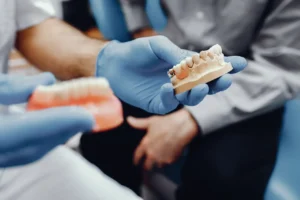
Dentist examining a patient’s oral health. A thorough oral exam (pictured) can detect gum disease early.
Treatment & Prevention: Good news: gum-related bad breath is curable. First, improve oral hygiene: brush twice daily (including tongue), floss daily, and use an antiseptic mouthwash. At the office, professional deep cleanings (scaling and root planing) remove plaque and tartar. Southside Dental Cares offers expert periodontal gum care to treat gingivitis and periodontitis. Follow-up may include local antibiotics or laser therapy for severe cases. We also recommend quitting tobacco and quitting inflammatory habits. By treating the infection, breath typically returns to normal. CTA: Schedule a periodontal checkup with us – our Petersburg dental team specializes in gum health.
Tooth Decay (Cavities)
Why Cavities Cause Halitosis: Deep tooth decay and cavities trap food and bacteria, feeding anaerobes that emit odor. If a cavity reaches the dentin or pulp, it creates a reservoir of bacteria and dead tissue, leading to a putrid smell. The Mayo Clinic notes that untreated cavities (“large caries”) can cause bad breath.
Symptoms: Look for tooth sensitivity or pain, visible holes, and debris between teeth. In many cases, decay is painless initially but produces chronic odor. Visiting a dentist reveals decay and often a foul smell in the affected tooth. According to dental studies, patients with deep caries often report persistent mouth odor.
Patient undergoing a dental exam. Regular exams catch cavities early, before they worsen halitosis.
Treatment & Prevention: The primary cure is to fill or restore the cavity. After removal of decay, the mouth bacteria reservoir is eliminated. Fluoride treatments and dental sealants can prevent new cavities. Patients should brush with fluoride toothpaste and floss daily to prevent food-trapping gaps. For more tips, see our Cavity Prevention page. CTA: Visit Southside Dental Cares for cavity detection and expert fillings – early treatment stops halitosis in its tracks.
Dry Mouth (Xerostomia)
How Dry Mouth Leads to Bad Breath: Saliva normally cleanses the mouth and neutralizes acid. Reduced saliva flow (“dry mouth”) means debris and bacteria linger, producing odor. Causes include mouth-breathing, dehydration, systemic diseases (e.g. Sjögren’s syndrome), and aging. Statistics show many halitosis patients have reduced salivary flow: a dry mouth promotes anaerobic bacterial putrefaction of food debris.
Symptoms: Dry, sticky feeling in the mouth, thirst, and more frequent cavities. Bad breath from dry mouth is often worse in the morning. Patients may also notice a change in taste. Unlike other causes, this bad breath often occurs without significant gum or tooth disease.
Management: Increase hydration by sipping water frequently and chewing sugar-free gum or lozenges to stimulate saliva. Avoid alcohol, caffeine, and tobacco, which worsen dryness. For persistent xerostomia, saliva substitutes or prescription mouth moisturizers may help. Good oral hygiene is essential: brush twice daily (including tongue) and floss, as recommended by the NIH. In many cases, simply treating the underlying cause (for example, adjusting a medication, or adding a humidifier) relieves halitosis. CTA: If dry mouth is your issue, talk to Southside Dental Cares about solutions (we can review medications and advise salivary aids).
Tonsil Stones (Tonsilloliths)
Cause & Symptoms: Tonsil stones are hardened mineral debris lodged in the tonsillar crypts. They trap bacteria and sulfur compounds, and their odor often smells like rotten eggs. Cleveland Clinic notes that “the main symptom [of tonsil stones] is bad breath (halitosis)”, even if patients have no tooth or gum problems. They appear as white or yellow specks on the tonsils and can cause a persistent cough or sore throat.
Management: For small tonsil stones, home treatments often suffice: gargling with warm salt water, gentle dislodging with a cotton swab or water flosser, or coughing can flush them out. Consistent tongue and throat cleaning (gargling or tongue brushing) can help prevent re-accumulation. If stones recur or are large, an ENT specialist can remove them or recommend partial tonsil crypt reduction. CT/MRI is rarely needed – diagnosis is usually by exam. CTA: Our dentists at Southside Dental can spot tonsil stones during a check-up and refer to an ENT if needed. Maintaining good oral hygiene (brushing tongue, throat) and regular dental visits also help prevent these malodors.
Sinus Infections and Postnasal Drip
How Sinusitis Causes Halitosis: Chronic nasal or sinus infections (sinusitis) can cause bad breath via post-nasal drip. Infected mucus drips into the throat, introducing bacteria and decaying tissue to the mouth. StatPearls confirms that the nose, sinuses, and tonsils are all potential “focus of halitosis” when infected. In fact, ENT conditions account for roughly 10% of bad breath cases.
Symptoms: Typical signs include nasal congestion, yellow/green nasal discharge, facial pressure or headache, and cough – on top of the foul breath. The odor often smells more prominent from the nose than the mouth (a “nose-breath odor” as Merck Manual notes). If your breath smells especially bad when you wake up or lie down, sinus issues may be the cause.
Treatment: Address the sinus infection: nasal corticosteroid sprays, saline nasal irrigation, antibiotics (if bacterial), or allergy control. Drinking fluids thins mucus. Affected patients should also maintain good oral hygiene to clear drip residue. Sometimes, treating the sinus infection alone (with nasal treatment or an ENT procedure) resolves the halitosis. CTA: If sinusitis is suspected, we can help by referring you to an ENT specialist and coordinating care. Meanwhile, Southside Dental offers salt-water rinse instructions and flossing tips to keep your throat clean between sinus treatments.
Certain Medications
Why Medications Cause Bad Breath: Many common drugs have dry mouth (xerostomia) as a side effect, which in turn causes halitosis. Examples include antihypertensives, antidepressants, antihistamines and decongestants. Mayo Clinic explains that “some medicines can lead to bad breath by causing dry mouth,” while other drugs release odorous metabolites that are exhaled. For instance, nitrates in heart medications or volatile chemicals from metabolic drugs may produce a distinctive breath odor.
Identifying the Culprit: A careful medical history often reveals the cause. StatPearls notes the importance of reviewing all current medications in patients with halitosis. Older adults taking multiple pills are especially prone to drug-induced dry mouth.
Solutions: First, do NOT stop essential medications on your own. Instead, consult your doctor or pharmacist – sometimes dosage adjustments or switching to a non-drying alternative is possible. Meanwhile, counteract dryness: sip water, chew sugar-free xylitol gum to stimulate saliva, and avoid mouthwashes containing alcohol. Over-the-counter saliva-stimulating lozenges or prescription salivary stimulants can help. Rigorous oral hygiene (brushing, flossing, tongue cleaning) is critical when mouth saliva is low. If a medication is the cause, treating its oral side effects will often make the halitosis disappear. CTA: Mention any dry-mouth medications at your next visit; our Petersburg dentists can recommend effective dry-mouth therapies and coordinate with your physician.
Systemic Diseases
Overview: Certain illnesses beyond the mouth can manifest as bad breath. Although only a small percentage (5–10%) of halitosis comes from systemic sources, these include significant conditions. For example, uncontrolled diabetes (especially ketoacidosis) causes a sweet, fruity breath; chronic kidney disease can cause ammonia-like (urine) breath; and liver failure yields a musty, sweet odor. The Mayo Clinic also notes that cancers and digestive disorders (GERD/heartburn) can produce unique bad breath patterns. The 2023 halitosis review explicitly lists diabetes, liver disease and kidney disease among causes. Heartburn from GERD (acid reflux) can introduce stomach odor into the mouth as well.
Identifying Signs: These causes are often accompanied by other symptoms. For example, fruity breath plus polyuria may point to diabetes; sweet musky breath plus jaundice suggests liver issues. If halitosis persists after oral/ENT issues are ruled out, one should consider medical evaluation (check blood glucose, kidney/liver function, or refer to a general physician).
Management: Treat the underlying disease. Good oral hygiene still helps (removing bacterial substrate in the mouth). For GERD, recommend dietary changes (avoiding late meals, spicy foods) and acid suppression. For diabetes or kidney disease, work with the patient’s physician to optimize care. In many cases, as systemic control improves, the breath odor resolves. CTA: If you suspect a health issue is causing bad breath, tell your dentist: we collaborate with physicians on systemic health. Southside Dental Cares can even help coordinate blood tests or specialist referrals as needed.
Halitosis Prevention Checklist (Patient Tips)
- Brush teeth and tongue twice daily and floss nightly (to remove odor-causing bacteria).
- Stay well-hydrated; drink water or chew sugar-free gum between meals to prevent dry mouth.
- Avoid tobacco, alcohol, and strong-smelling foods (onion, garlic) as they can exacerbate breath odor.
- Visit a dentist every 6 months (or more often if needed) for cleanings and oral exams.
- Use an antimicrobial mouthwash or tongue scraper daily.
- Manage health conditions (control diabetes, treat allergies/sinusitis, review medications).
- Report persistent bad breath to your dentist or doctor – it often has a fixable cause.
Dentists’ Clinical Summary
- Etiology: ~85% of halitosis is intraoral (tongue coating, periodontal disease, deep caries, xerostomia). Extraoral causes (~5-15%) include ENT infections, respiratory disease, and systemic/metabolic disorders.
- Pathophysiology: Odor is mostly due to bacterial VSC production. Gram-negative anaerobes on tongue and periodontal pockets are key sources. Dry mouth and tonsillar debris amplify this effect.
- Diagnosis: Conduct a thorough oral exam first (periodontal charting, caries detection, tongue exam). If intraoral causes are ruled out, perform an ENT evaluation (inspect tonsils/sinuses). Organoleptic measurement or VSC monitor may be used as needed.
- Treatment: Address all identified factors. Typical interventions include: professional cleaning and periodontal therapy (gum disease), restorative dentistry (fillings), saliva stimulation or substitutes (xerostomia), tonsil crypt removal (tonsil stones), and physician referral for systemic or nasal/sinus issues. Emphasize patient education on hygiene and diet.
- Prognosis: With proper treatment, halitosis should resolve. Long-term management involves regular dental follow-up and controlling any systemic illness.
Acid Reflux and Digestive Issues
If you experience a burning sensation in your chest or often have a sour taste in your mouth, your bad breath might be emanating from deeper down – your digestive tract. Conditions like acid reflux or GERD (gastroesophageal reflux disease) can cause stomach acids and partially digested foods to regurgitate into your throat or mouth, especially when you burp or sleep. This not only leaves a nasty taste, but can cause bad breath with an acidic or bitter odor.
Why it causes odor: Stomach contents are meant to stay in the stomach. When acids and enzymes creep up (even in small amounts), they can coat the throat and back of the tongue with an acidic film. Bacteria love the altered pH and food particles that come with it, contributing to odor. Additionally, chronic reflux might cause tiny amounts of digestive gases or bile to come up, which definitely don’t smell pleasant.
Beyond reflux, other digestive issues can manifest as bad breath:
– Helicobacter pylori infection in the stomach (the bacteria that cause ulcers) has been linked to halitosis in some cases.
– Digestive disorders or slower digestion can lead to more belching, which can carry odors upward.
– Bowel obstruction (a very serious condition) causes a feculent breath odor – this is rare and accompanied by many other symptoms, but underscores how the gut can affect the breath.
How to address it: If we suspect your halitosis is related to reflux or another digestive issue, we’ll likely ask about symptoms like heartburn, bloating, or stomach pains. Managing the underlying condition is key. For acid reflux, that might include dietary changes (avoiding spicy or acidic foods, not eating right before bed), medications to reduce stomach acid, and seeing your physician for evaluation. When your GERD is well-controlled, you should notice an improvement in your breath. Meanwhile, maintaining good oral hygiene – especially cleaning the back of your tongue – can help minimize the odors that do arise from the stomach. If bad breath persists despite reflux treatment, talk to your dentist and doctor; further investigation might be needed to rule out other GI issues.
Diet Habits: You Are What You Eat (and Drink)
It’s no surprise that pungent foods like garlic and onions can foul your breath. But did you know that the very way you diet – not just what you eat, but how you eat – can also cause bad breath? Some diet-related causes of halitosis may catch you off guard:
- High-Protein or Low-Carb Diets: Fad diets that cut carbs and ramp up protein (think keto or Atkins) might trim your waistline, but they can wreak havoc on your breath. When your body burns fat for energy in the absence of carbs, it produces chemicals called ketones. Some ketones (like acetone) are released in your breath and have a fruity or nail-polish remover smell. Additionally, a high-protein intake can be harder to digest and may release sulfurous gases during metabolism, leading to an unpleasant odor. This so-called “keto breath” is a well-known phenomenon among low-carb dieters.
- Skipping Meals or Fasting: Ever notice a sour, empty stomach smell when you haven’t eaten for hours? When you skip meals, you produce less saliva (because chewing and eating stimulate saliva flow). An empty stomach can also release acids that contribute to a “hungry breath” odor. In some cases, prolonged fasting leads your body to a mild ketogenic state as well, adding ketones to the mix. So, not eating can actually cause bad breath – a surprise for those trying intermittent fasting.
- High-Sugar Diets: Bacteria in your mouth love sugar. A diet full of sweets can lead to more bacterial growth and more odor. The bacteria feast on sugars and then produce acids and smelly compounds as waste. Think of sugar as fuel for bad-breath bacteria.
- Strong-Smelling Foods & Drinks: Beyond garlic and onions, consider things like coffee and alcohol. Coffee’s intense flavor (and acid content) can leave a lingering odor, plus the caffeine causes dry mouth, compounding the issue. Alcohol, especially in excess, not only gives a smell (ever talked to someone after a night of drinking?) but also dries the mouth for hours, allowing bacteria to flourish.
How to address diet-related bad breath: You don’t necessarily have to give up your diet or favorite foods entirely – just be mindful of their effects.
- If you’re on a high-protein/low-carb diet, consider adding a bit more complex carbs or fresh herbs/greens to meals to balance out odors. Ensure you drink plenty of water, and practice extra oral hygiene. Chewing sugar-free gum can also mitigate ketone breath by stimulating saliva.
- After enjoying coffee or alcohol, rinse your mouth with water and maintain good oral care. Moderation is key; heavy alcohol use not only causes breath issues but also risks your oral health.
- For high-sugar diets, try to reduce sugary snacks and drinks. Not only will your breath improve, but your teeth will thank you too (less risk of cavities).
- Eating a balanced diet with plenty of crunchy fruits and vegetables (like apples, carrots, celery) can naturally clean your mouth as you chew and promote saliva flow. And of course, brushing after meals will help remove food particles that bacteria break down.
If you suspect your dietary choices are leaving a lingering smell, a few tweaks and good habits can give you a breath-friendly diet without sacrificing health or flavor.
Comparison: Masking Bad Breath vs. Treating the Cause
It’s tempting to reach for a strong mint or mouthwash when you notice bad breath. While these quick fixes have their place, they often only mask the symptoms temporarily. In contrast, professional dental care aims to treat the underlying cause of halitosis for long-lasting freshness. The table below compares common at-home remedies with professional treatments:
| Approach | What It Involves | Pros | Cons |
| Quick Fix (Masking) | Examples: chewing minty gum, using mouthwash, or popping a breath mint. These work by covering bad odors with a stronger pleasant scent, or by killing some surface bacteria. | – Immediate fresh flavor<br>– Convenient and over-the-counter<br>– Can boost confidence short-term | – Temporary: Wears off in a few hours or less, doesn’t eliminate source of odor.<br>– Some contain sugar or alcohol (which can worsen dry mouth over time)<br>– May mask important signs of a dental issue (you might delay real treatment) |
| Professional Treatment (Addressing Cause) | Examples: dental exam & cleaning, filling a cavity, treating gum disease, or specialized halitosis evaluation. The dentist identifies and fixes what’s causing the odor (plaque, tartar, decay, etc.). | – Long-lasting relief: Removes the cause of odor, not just the odor itself.<br>– Improves overall oral health (treats infection, cleans buildup)<br>– Personalized advice on prevention (so it doesn’t return) | – Takes time and a dental visit (but usually just a routine visit or two!)<br>– Costs can be higher upfront than a bottle of mouthwash (but often covered by insurance for medical need)<br>– Requires your involvement in home care and possibly lifestyle changes (commitment) |
As you can see, quick fixes are fine in a pinch – we all use them (who hasn’t grabbed a mint before a meeting?). But if bad breath is chronic, it’s far better to solve it at the source. For example, using mouthwash might kill surface bacteria, but if gum disease or tonsil stones are the cause, the odor will come right back. A professional cleaning or medical treatment for your sinuses will yield a much bigger improvement in those cases.
Ideally, you’ll use a combination of approaches: good daily hygiene (and occasional mints or gum when needed) plus getting any underlying issues treated. That way, you’re not just covering up a problem – you’re eliminating it.
Step-by-Step Guide: How to Defeat Bad Breath for Good
If you’re battling halitosis, here’s a step-by-step game plan to regain fresh breath. This guide will also help you determine when it’s time to seek professional help.
Step 1: Reinforce the Basics of Oral Hygiene
Make sure you are truly on point with daily oral care. This means brushing your teeth twice a day for a full 2 minutes each time (don’t forget to gently brush your tongue or use a tongue scraper), and flossing or cleaning between your teeth once a day. Use a fluoride toothpaste and consider an antibacterial mouthrinse at night. Good oral hygiene removes food debris and reduces bacterial load – it’s the foundation for beating bad breath. Even if you think you already do a decent job, try upping your game here first. Many cases of mild halitosis resolve just with improved cleaning.
Step 2: Tackle the “Surprising” Causes at Home
Review the 7 causes above and see which might apply to you. Then take targeted action:
– If you have dryness, make a conscious effort to hydrate and stimulate saliva (e.g. drink water, chew sugar-free gum).
– If you suspect diet factors, adjust accordingly (reduce strong odor foods, add carbs if you’re too low-carb, don’t skip meals, cut down on sugar).
– Suffering allergies or sinus drip? Try a saline nasal rinse and consider antihistamines or seeing an ENT specialist.
– Notice any dental issues like bleeding gums or tooth pain? Make a dental appointment (sooner rather than later).
By addressing these factors, you might eliminate the cause on your own. Give it a couple of weeks of diligent effort with these halitosis tips and see if there’s improvement.
Step 3: Monitor and Self-Test
Sometimes we become nose-blind to our own scent. One way to gauge progress is to do a simple self-test every few days: floss a couple of your back teeth and smell the floss, or lick the back of your wrist, let it dry, and sniff. Not pleasant, but it can give you an idea if your efforts are working. Also, ask a trusted loved one if they notice any change. Keep notes if it helps. If your breath is improving – great! Keep up the routine. If bad breath persists for more than two weeks despite good care, move on to Step 4.
Step 4: Talk to a Dentist and Get a Professional Evaluation
Don’t be embarrassed to seek help – we are here for exactly this problem, and we handle it with empathy and expertise. If your breath issues linger, schedule an appointment at Southside Dental Care (or your local dentist). We will perform a thorough examination: checking your teeth for cavities, your gums for signs of disease, your tongue and tonsils for coatings or stones, and even your breath odor character (certain smells can hint at certain causes). Be open about your health history and habits – the more we know, the better we can find the cause. In some cases, we may find a treatable dental issue (maybe a deep tartar buildup or an infected tooth) and address it on the spot or in a follow-up. Or we might determine that the cause is not primarily dental, in which case we’ll guide you on next steps (such as seeing a medical doctor for reflux or sinus treatment).
Step 5: Follow Through and Maintain Fresh-Breath Habits
After any professional treatment, be it a dental cleaning, a filling, or a new routine from your physician, make sure to follow all aftercare instructions. Then, maintain your results by sticking to a consistent oral care routine and healthy habits. Bad breath can recur if you slip back into poor hygiene or if a condition flares up again. Many patients find it helpful to keep a checklist (like the one below) for daily maintenance. Also, keep up with regular dental check-ups (typically every 6 months) – this way, any new issues can be caught early before they cause odor or other problems. Fresh breath is an ongoing effort, but it gets much easier once you integrate these habits into your life.
By following these steps, you’re stacking the odds in your favor to defeat bad breath for good. Now, let’s summarize some key aftercare and prevention tips in a handy checklist.
Frequently Asked Questions
Q: What are the most common causes of persistent bad breath?
A: Most chronic bad breath stems from bacteria in the mouth. Common causes include gum disease (periodontitis), untreated cavities, and tongue coating. Dry mouth and smoking also worsen breath. Less commonly, issues like tonsil stones, sinus infections, or systemic diseases (diabetes, GERD) can be factors.
Q: How can I tell if my bad breath is from a medical issue?
A: If good oral hygiene (brushing, flossing, clean tongue) and dental treatment don’t fix halitosis, consider medical causes. Sinus infection symptoms (nasal congestion, postnasal drip) or symptoms of diabetes/GERD may point to non-oral sources. Consult your dentist for an exam; if no oral cause is found, we may recommend seeing your doctor.
Q: What treatments will a dentist offer for bad breath?
A: Treatment is cause-specific. For gum disease, we do deep cleanings and improved home care. For cavities, we provide fillings. For dry mouth, we suggest hydration, special toothpaste, or saliva stimulants. We can also remove tonsil stones or refer you for sinus treatment. Routine cleanings and good hygiene are essential.
Q: Can lifestyle changes help with halitosis?
A: Absolutely. Good habits can make a big difference. Brush and floss daily (including the tongue), stay hydrated, quit smoking, and watch your diet. Avoid odorous foods before important events. These measures alone often improve breath.
Q: When should I see a doctor or specialist for bad breath?
A: If your dentist finds no dental cause, or if you have symptoms like chronic sinus problems, reflux, or high blood sugar, we’ll encourage you to see a physician or ENT. Early medical evaluation can identify conditions (like diabetes or chronic sinusitis) that require treatment.
Bad Breath (Halitosis): Frequently Asked Questions
What are the most common causes of persistent bad breath?
Persistent bad breath is usually due to bacteria in the mouth. Leading causes include gum disease, untreated cavities, tongue coating, and dry mouth. Less common triggers include tonsil stones, sinus infections, or systemic conditions like diabetes.
How can I tell if my bad breath is from a medical issue?
If good oral care (brushing, flossing, clean tongue) hasn’t cleared the issue, look for these signs:
- Sinus issues: Congestion or post-nasal drainage.
- Reflux/GERD: Chronic heartburn or a sour taste.
- Diabetes: A distinct sweet or fruity breath odor.
What can dentists do to treat bad breath?
We treat the root cause by performing deep cleanings for gum disease, filling cavities to remove decay-related odors, and recommending products for dry mouth. If the source is non-dental, we provide referrals to ENTs or medical specialists.
Are lifestyle changes helpful for fresh breath?
Yes! Small habits make a big difference:
- Chew sugar-free gum to keep saliva flowing.
- Stay hydrated and avoid tobacco/excessive alcohol.
- Limit diets heavy in garlic and onions.
- Brush your tongue every single day.
Sources: Authoritative dental and medical resources are cited throughout (Mayo Clinic, Merck Manual, NIH/NCBI StatPearls, Cleveland Clinic, Cureus review), ensuring evidence-backed content. Each cause’s explanation is tied to up-to-date research and guidelines from dentistry and medical literature.