Have you ever treated a cavity only to find a new one appearing soon after? Recurring cavities can be frustrating and worrisome – causing tooth pain, unexpected dental bills, and anxiety about your oral health. You’re not alone in this struggle; in fact, nearly 90% of adults have had tooth decay in their lifetime. The good news is that with the right care and guidance, you can break the cycle of cavities and protect your smile.
At Southside Dental Care, we understand how disheartening it is to face repeat dental problems. Our mission is to empower you with a cavity prevention guide that addresses why cavities come back and how to stop them. This comprehensive article will walk you through the causes of cavity recurrence and provide comforting, expert solutions – from brushing and flossing techniques to advanced fluoride tips and professional preventive care. By the end, you’ll have a clear plan for maintaining a healthy, cavity-free smile and the confidence that our team is here to help every step of the way.
Understanding Why Cavities Come Back (The “Why”)
Why do cavities recur even after you’ve been treated? Understanding the underlying causes is the first step toward prevention. Cavities (tooth decay) occur when oral bacteria produce acids that erode the tooth’s enamel. Even if a cavity is filled, the conditions that led to it in the first place might still persist. Here are common reasons cavities might keep coming back:
- Inadequate Oral Hygiene: Brushing and flossing irregularly or using improper technique allows plaque (the sticky film of bacteria) to rebuild. Even diligent brushers can miss nearly 40% of tooth surfaces without flossing, leaving decay-causing bacteria between teeth. If plaque isn’t thoroughly removed daily, it hardens into tartar and creates a breeding ground for cavities.
- Dietary Habits: Frequent sugary snacks or sipping on sweet drinks bathes your teeth in sugar, which fuels acid-producing bacteria. Those acids wear down enamel over time. Even starchy foods can break down into sugars. If you often indulge in candy, soda, or refined carbs, you’re providing constant “fuel” for cavities. (Don’t worry – we’ll cover dietary adjustments in our prevention tips.)
- Inconsistent Preventive Visits: Skipping regular dental check-ups means small problems can go unnoticed until they become large cavities. Routine exams and cleanings are crucial because your dentist can spot early signs of decay that you might not see or feel. By scheduling a preventive visit every six months, you allow us to catch and treat weak spots before they turn into full-blown cavities. Early intervention is key to stopping recurrence.
- Old or Poorly-Fitting Fillings: If you’ve had cavities filled before, those restorations need monitoring. Over the years, fillings can wear down or develop tiny gaps at the edges. Bacteria can sneak into these crevices and cause decay beneath or around the filling. This is called recurrent decay, and it’s a top reason why even filled teeth might get cavities again. Regular check-ups help ensure your existing fillings remain snug and effective.
- Dry Mouth (Low Saliva): Saliva is a natural protector that washes away food particles and neutralizes acids. Certain medications, medical conditions, or simply aging can reduce saliva flow. Less saliva means acids linger longer on your teeth. If you experience a dry mouth, you’re at higher risk for cavities coming back. Staying hydrated and using saliva substitutes or sugar-free gum to stimulate saliva can help – a topic we’ll revisit in prevention strategies.
- Gum Health Issues: You might wonder what gum health has to do with cavities. When gums are inflamed or receding (often due to gum disease), the softer root surfaces of teeth become exposed, which are more vulnerable to decay. Unhealthy gums can also harbor more bacteria. Maintaining healthy gums through proper oral care and professional cleanings (see our gum health resources) creates an environment where cavity-causing bacteria struggle to thrive.
By recognizing these factors, you’re already on the right track. Next, we’ll dive into how to counteract each of these issues with effective strategies.
How to Prevent Cavities from Recurring (The “How”)
Preventing cavity recurrence comes down to strengthening your teeth and reducing the factors that cause decay. Here’s how you can take action – starting today – to keep cavities at bay:
- Master Your Brushing Routine: Brushing twice a day is non-negotiable, but how you brush matters just as much as frequency. Use a soft-bristled toothbrush and a fluoride toothpaste, and spend a full two minutes covering all surfaces of your teeth. Fluoride is your friend – it’s a mineral proven to rebuild weakened enamel and make teeth more resistant to acid attacks. (Tip: after brushing at night, spit don’t rinse. Rinsing your mouth out washes away the protective fluoride coating; not rinsing can reduce tooth decay by up to 25%!) Consider an electric toothbrush if you have trouble reaching tricky areas – studies show they can remove plaque more effectively than manual brushing for many people. And remember to replace your brush (or brush head) every 3–4 months so it cleans efficiently.
- Floss Daily – No Excuses: If you only brush and skip flossing, you’re leaving about 40% of your tooth surfaces uncleaned. That remaining plaque between teeth can quickly lead to new cavities and gum inflammation. Flossing once a day (usually at night) removes hidden food particles and plaque bacteria from between teeth and along the gumline, areas your brush can’t reach. Gentle technique is key: slide the floss in a C-shape around each tooth and under the gum edge, rather than snapping it straight down. If traditional floss is challenging, ask us about floss picks, tiny interdental brushes, or water flossers – there’s an option for everyone. Not only will diligent flossing prevent cavities between teeth, it will also improve your gum health (less bleeding and swelling), making your whole mouth more resilient.
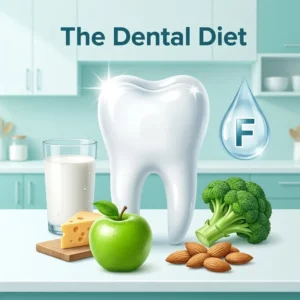
- Adopt a Tooth-Friendly Diet: Your everyday diet has a big impact on cavity prevention. Limit sugary and acidic foods and drinks – that means cutting down on candy, soda, sports drinks, and even fruit juices. Bacteria thrive on sugars and produce enamel-eating acids right after you consume them. If you do have something sweet or acidic, try to have it with a meal (when saliva production is higher) rather than sipping or snacking all day. Aim to eat a balanced diet rich in fiber, calcium, and vitamins. Crunchy fruits and veggies like apples, carrots, and celery can even help scrub your teeth and stimulate saliva. And of course, drink plenty of water – preferably fluoridated water – throughout the day to rinse food debris and keep your mouth hydrated. Pro tip: Replace sugary snacks with teeth-friendly choices like nuts or cheese, and save desserts for mealtimes. By being mindful of your “sugar hits” per day (experts recommend no more than four sugary exposures a day), you can significantly reduce constant acid attacks on your enamel.
- Use Expert Fluoride Tips: Fluoride is one of the best allies in preventing cavities from returning. Besides using fluoride toothpaste, you can boost your protection with additional fluoride sources. Over-the-counter fluoride mouthrinses (used at a different time than brushing) can coat your teeth in extra fluoride – great for those prone to decay. At Southside Dental Care, we can also prescribe high-fluoride toothpaste or gels if you need a stronger regimen. Professional fluoride treatments are another excellent preventive service: quick in-office applications of concentrated fluoride varnish or gel a few times a year to fortify your enamel. Remember, fluoride works by replacing minerals in the enamel and making it stronger against acid attacks. By following our fluoride tips – such as not rinsing immediately after brushing, or using custom trays for fluoride gels at home if recommended – you can greatly reduce the chance of new cavities forming.
- Consider Dental Sealants: If you or your child are cavity-prone, especially in the deep grooves of the back teeth, dental sealants offer a powerful extra layer of defense. A sealant is a thin protective coating that our dentists apply to the chewing surfaces of molars to seal out bacteria and food. It’s a simple, painless procedure that can pay off for years. According to the CDC, sealants can reduce the risk of cavities in molars by 80% in the first two years and continue protecting for up to nine years. That’s a remarkable benefit for such an easy preventive step! Southside Dental Care’s prevention services include sealant application for kids and cavity-prone adults – often covered by insurance as preventive care.
- Don’t Skip Your Dental Appointments: We know dental visits might not be your favorite activity, but they are absolutely vital in preventing recurrence. A professional cleaning removes hardened tartar that brushing can’t, and polishing your teeth makes it harder for plaque to stick. During your exam, we check for early signs of trouble – tiny demineralized spots, leaking fillings, gum issues – that you wouldn’t notice at home. Catching these issues early means we can address them with minor, comfortable treatments before they turn into painful cavities. Make it a habit to see your dentist at least twice a year (more often if recommended). Think of it as a small investment of time that saves you from bigger treatments down the road. If you ever feel nervous about dental visits, let us know – we offer gentle care with options like sedation dentistry to help you relax (more on our comfort measures later). The bottom line: regular check-ups and cleanings are your preventative superpower. As the ADA emphasizes, visiting your dentist regularly for cleanings and exams, along with good home care, dramatically lowers your risk of tooth decay.
By implementing these strategies, you’re stacking the odds in favor of your teeth. Next, let’s compare how prevention measures like these truly stack up against the alternative – treating cavities after they occur.
Prevention vs. Treatment: Why Prevention Wins (Comparison)
Preventing cavities is not only better for your health – it’s better for your wallet and your peace of mind. Here’s a quick comparison that highlights why a preventive approach is so worthwhile:
| Factor | Preventive Care (No Cavities) | Cavity Treatment (Fillings/Repairs) |
| Comfort | Painless and non-invasive (just daily hygiene and check-ups). | May involve needles, drilling, and anesthetic during treatment. Possible post-treatment soreness. |
| Cost | Low and predictable (routine exams, cleanings, toothpaste, floss). <br>Insurance often covers two check-ups/year. | Higher and unexpected (fillings, crowns, or root canals can cost hundreds to thousands). <br>Even with insurance, co-pays add up. |
| Time | A few minutes daily for brushing/flossing, plus ~2 hours/year for dental visits. | Multiple appointments for cavities (exam, filling appointments). Severe cases like root canals require even more visits and recovery time. |
| Tooth Structure | Enamel stays intact and strong. Your natural teeth remain un-drilled and whole. | Even the best filling is a substitute material. The tooth is never as strong as before, and large cavities can weaken overall tooth structure. |
| Long-Term Outcome | Lower risk of tooth pain, infections, or tooth loss. Fresh breath and confident smiles from healthy teeth. | Each filling has a lifespan; you may need replacements. There’s risk of recurrent decay around old fillings if oral care isn’t meticulous. Large untreated cavities can lead to root canals or extractions, affecting your smile and chewing ability. |
As you can see, investing in prevention pays off immensely. Spending a little effort on daily care and regular visits now can save you from discomfort, lengthy procedures, and higher costs later. It’s like maintaining a car – regular oil changes (daily brushing and check-ups) prevent the need for engine overhauls (fillings and root canals) down the line.
Step-by-Step: Your Personal Cavity Prevention Plan
At this point, you might be thinking, “This all sounds great, but how do I start?” Don’t worry – we’ve got you covered with a simple step-by-step plan. Is this approach right for you? Absolutely yes! Whether you’ve had one cavity or a dozen, a prevention plan will benefit you. Let’s outline how to put it into action:
- Get a Baseline Dental Exam: If you haven’t had a dental check-up in a while, schedule one now (a perfect time to book that preventive visit with us!). We will assess your current oral health, identify any existing issues (like sneaky small cavities or gum inflammation), and treat them. It’s important to start with a “clean slate” – addressing any active problems – before focusing on prevention. Think of this as fixing any holes in the boat before we sail forward.
- Follow a Daily Home Care Routine: Commit to the core habits discussed earlier. Brush every morning and every night with fluoride toothpaste. Floss once daily (most people prefer bedtime). If recommended, use a fluoride rinse or any special products we suggest (like prescription toothpaste). This daily routine is the foundation of your cavity prevention plan. To help, we’ve created a handy checklist in the next section – feel free to print it out or save it as a reminder!
- Address Personal Risk Factors: Everyone’s mouth is different. During your visit, we’ll discuss factors that might put you at higher risk and how to manage them. For example, if you have dry mouth, we may advise using mouth moisturizing gels or rinses and drinking water often. If you have deep grooves in your teeth, sealants might be recommended. Prone to cavities on root surfaces? We’ll show you gentle techniques and possibly recommend a prescription fluoride. If your diet is a culprit, we can offer nutritional counseling or suggest alternatives. By personalizing your plan to your lifestyle and health needs, you get the most effective protection.
- Stay Consistent and Keep Up with Visits: Prevention isn’t a one-time project – it’s an ongoing commitment. The good news is that once you integrate these habits, they become second nature. Maintain those twice-yearly dental visits (or as advised). We’ll celebrate your cavity-free check-ups together and tweak your plan if needed. And if a small issue does arise, catching it early means it can be corrected with minimal fuss. Consistency is truly the secret sauce to a cavity-free life.
Remember, our team at Southside Dental Care is your partner in this journey. No question is too small – if you’re ever unsure about your technique or a product, just ask us for guidance. We love helping our patients succeed in taking charge of their oral health!
Daily Cavity Prevention Checklist
To make things easier, here’s a simple checklist you can follow every day to prevent cavities from recurring. Consider this your at-a-glance guide to a healthy mouth:
- Brush Twice Daily (2 Minutes Each): Use a fluoride toothpaste and gently brush all surfaces – outer, inner, and chewing surfaces of each tooth. (Spit out the paste, but try not to rinse with water afterward at night, so fluoride stays on your teeth longer.)
- Floss Every Day: Clean between all your teeth with floss or interdental cleaners. Be thorough yet gentle – you’re not only preventing cavities between teeth but also supporting your gum health by removing hidden plaque.
- Use Fluoride & Mouthrinse: Rinse nightly with an over-the-counter fluoride mouthwash, or as directed by your dentist. This adds extra cavity-fighting minerals. If you have been given prescription fluoride toothpaste or gel, use it as instructed (usually at bedtime). These fluoride tips can significantly strengthen your enamel over time.
- Watch Your Diet: Limit sugary snacks and drinks. Opt for water (especially fluoridated tap water) over soda or juice. Choose teeth-friendly snacks like cheese, nuts, yogurt, or crunchy veggies. If you do have something sweet, rinse with water or chew sugar-free gum afterward to boost saliva and cleanse your teeth.
- Don’t Forget Your Tongue & Rinse: Bacteria can live on your tongue and contribute to plaque and bad breath. Brush your tongue or use a tongue scraper daily. And if you can, finish your routine with an antibacterial mouthwash – but not right after brushing (to avoid washing away fluoride). Perhaps use mouthwash after lunch or at a different time.
- Protect Your Teeth: If you grind your teeth at night or play sports, use any recommended night guards or mouthguards. Grinding can cause micro-cracks and wear that make teeth more susceptible to decay, and sports injuries can lead to damaged teeth – so prevention here helps indirectly reduce cavity risk too.
- Track Your Progress: Use a calendar or an app to check off your brushing and flossing each day. It sounds silly, but keeping track can reinforce consistency, especially as you build the habit. Your future dental visits will thank you!
- Stay Alert for Symptoms: Pay attention to early warning signs like tooth sensitivity to sweets or cold, rough spots you can feel with your tongue, or any pain. These could indicate a developing issue. Promptly addressing these with your dentist can prevent a minor demineralization from becoming a full cavity.
By following this checklist, you’ll cover all the bases of cavity prevention. Post it on your bathroom mirror or save it on your phone – whatever keeps you motivated. Consistency is key, and you’ve got this!
The Southside Dental Care Advantage
You might be wondering, “Why choose Southside Dental Care to help me with my cavity prevention journey?” We take pride in offering a superior patient experience and state-of-the-art care. Here’s what sets us apart:
- Modern Technology for Early Detection: Our clinic utilizes advanced diagnostic tools – from low-radiation digital X-rays to cavity-detecting lasers and intraoral cameras – to spot potential problems before they become visible or cause pain. Early detection means early intervention, which is often simple and painless. By using modern technology, we ensure that no cavity, crack, or weak spot goes unnoticed during your exam.
- Comprehensive Preventive Services: At Southside Dental Care, prevention is a cornerstone of our practice. We offer a full range of preventive treatments tailored to your needs. This includes professional fluoride applications, dental sealants for both children and adults, and detailed oral hygiene coaching. Our hygienists are not just thorough in cleaning your teeth – they’re also educators who will patiently show you proper brushing and flossing techniques. We believe an informed patient is an empowered patient, so we make sure you leave knowing how to care for your smile at home. (And remember, our prevention services are here to support you – never hesitate to ask about them!)
- Comfort and Compassion: We know that dental anxiety is real, especially if you’ve dealt with painful cavities or multiple treatments in the past. That’s why we’re putting your comfort first. Our friendly team will make you feel welcome from the moment you walk in. We take time to listen to your concerns and explain everything in plain language, so you’re never in the dark. If the sound of a drill makes you nervous, or if you’re worried about an upcoming procedure, we offer sedation dentistry options (such as gentle oral sedation or laughing gas) to help you relax. Your visits will be calm, and dare we say, even pleasant. A positive experience means you’ll be more likely to come back for those regular check-ups that keep cavities away!
- Holistic, Eco-Friendly Approach: Our commitment to care goes beyond just teeth. We use energy-saving and waste-reducing methods in our office as part of caring for our community. We also consider your overall health – for example, if you have medical conditions or are on medications that affect your oral health, we coordinate with your healthcare providers to ensure you get safe, comprehensive care. Our goal is healthy, confident smiles for the whole family, and that means looking at the big picture of your well-being.
- Trusted Expertise: When you choose Southside Dental Care, you’re choosing highly trained professionals with years of experience. Our dentists and hygienists stay up-to-date with the latest research and techniques in cavity prevention and treatment. We bring that expertise to every appointment, whether it’s a simple exam or a complex procedure. But expertise means nothing without trust – and we work hard to earn yours. From our transparent communication to our gentle touch, every aspect of our service is designed to build a long-term relationship with you. We’re honored that our patients trust us with their smiles, and we don’t take that trust lightly.
In short, The Southside Advantage means you get cutting-edge dental care with a personal, caring touch. We treat you like family and your teeth as if they were our own. When it comes to preventing cavities, having a dedicated dental team on your side makes all the difference. We are here to guide you, encourage you, and celebrate your successes – like your first cavity-free dental visit!
Conclusion: A Cavity-Free Future Awaits
Recurring cavities do not have to be a fact of life. With the knowledge and strategies from this guide, you have the power to break the cycle of tooth decay. It comes down to a partnership: you commit to healthy daily habits and regular check-ups, and we at Southside Dental Care commit to providing top-notch preventive care and support. Together, we’ll keep your teeth strong, your smile bright, and your dental worries at bay.
Imagine looking forward to your dental visits because you know you’ll hear the words, “Everything looks great – no cavities!” It’s possible when you stay proactive. If you have any questions or need personalized advice, our team is just a phone call away. We encourage you to take the next step by scheduling a preventive check-up or consultation. Let us help you implement these cavity-fighting tips tailored to your unique needs.
Your oral health is a crucial part of your overall well-being – and you deserve to live free from the pain and inconvenience of frequent cavities. With a bit of effort and the right dental partners, a cavity-free future is within reach. Here’s to confident smiles and healthy teeth for years to come!
Frequently Asked Questions (FAQ)
Q1: Can cavities really be completely prevented?
A: While cavities are very common, most can be prevented or minimized with diligent care. Brushing with fluoride toothpaste twice daily and flossing every day are fundamental steps. In addition, regular dental cleanings, a healthy diet low in sugar, and using preventive treatments (like fluoride varnishes or sealants) greatly reduce the chance of decay. That said, factors like genetics, saliva quality, and certain health conditions can make someone more prone to cavities. Our goal is to control the factors we can – and in the vast majority of cases, that results in zero new cavities. Even if you’ve been cavity-prone before, don’t be discouraged; with a tailored prevention plan, you can significantly slow down or stop new decay.
Q2: How often should I visit the dentist to prevent cavities?
A: For most people, a dental check-up and cleaning every six months is the gold standard. This frequency keeps tartar buildup under control and allows us to catch any early signs of trouble. If you have a history of frequent cavities or gum disease, we might recommend visiting every 3–4 months until your condition stabilizes. Regular visits are important even if everything feels fine – tooth decay can start silently, and by the time you feel pain, the cavity may already be large. Think of your preventive visits as an essential part of your healthcare routine, just like annual physicals. They keep your mouth healthy and save you from bigger issues (and expenses) later on.
Q3: Is fluoride safe, and should I be worried about using fluoride products?
A: When used as directed, fluoride is both safe and highly beneficial for your teeth. It’s a naturally occurring mineral that has been added to public water supplies and toothpastes for decades because it dramatically reduces cavities. Fluoride strengthens tooth enamel, making it more resistant to the acids that cause decay. The amount of fluoride in over-the-counter products (toothpaste, mouthwash) is low and safe for daily use. For children, using a pea-sized amount of toothpaste under supervision ensures they don’t swallow too much. The only known issue from excessive fluoride over long periods is a cosmetic condition called fluorosis (mild white spots on teeth), and this mainly occurs in young children who ingest too much fluoride during tooth development. Our team will guide you on proper fluoride use. The bottom line: the cavity-fighting benefits of fluoride far outweigh any minimal risks. It’s one of the most effective tools we have to keep your smile decay-free!